The UK ban on the IRGC has triggered a sharp rebuke from Tehran, with Iran’s foreign ministry condemning Britain’s decision to designate the Islamic Revolutionary Guard Corps as a security threat.
The ministry called the move both unjustified and irresponsible.
Iran’s Argument
The core of Tehran’s objection is a question of status.
The foreign ministry emphasised that the IRGC is not a militia or an outside actor — it is an official branch of Iran’s armed forces, formally embedded within the state’s military structure.
On that basis, Iran accused Britain of violating international law by targeting a sovereign state institution rather than a non-state group.
It is a distinction Tehran has leaned on repeatedly whenever Western governments have moved against the Guard.
What Britain Actually Did
The UK announced the ban yesterday, prohibiting support for the IRGC and one linked organisation.
The measure was enacted under new powers designed to stop foreign states from operating through proxies to carry out activities such as:
- Surveillance
- Sabotage
Those powers reflect a growing concern in London that hostile states are increasingly outsourcing operations on British soil to intermediaries, complicating attribution and response.
The Trigger
The British government pointed to a specific pattern of incidents to justify the designation.
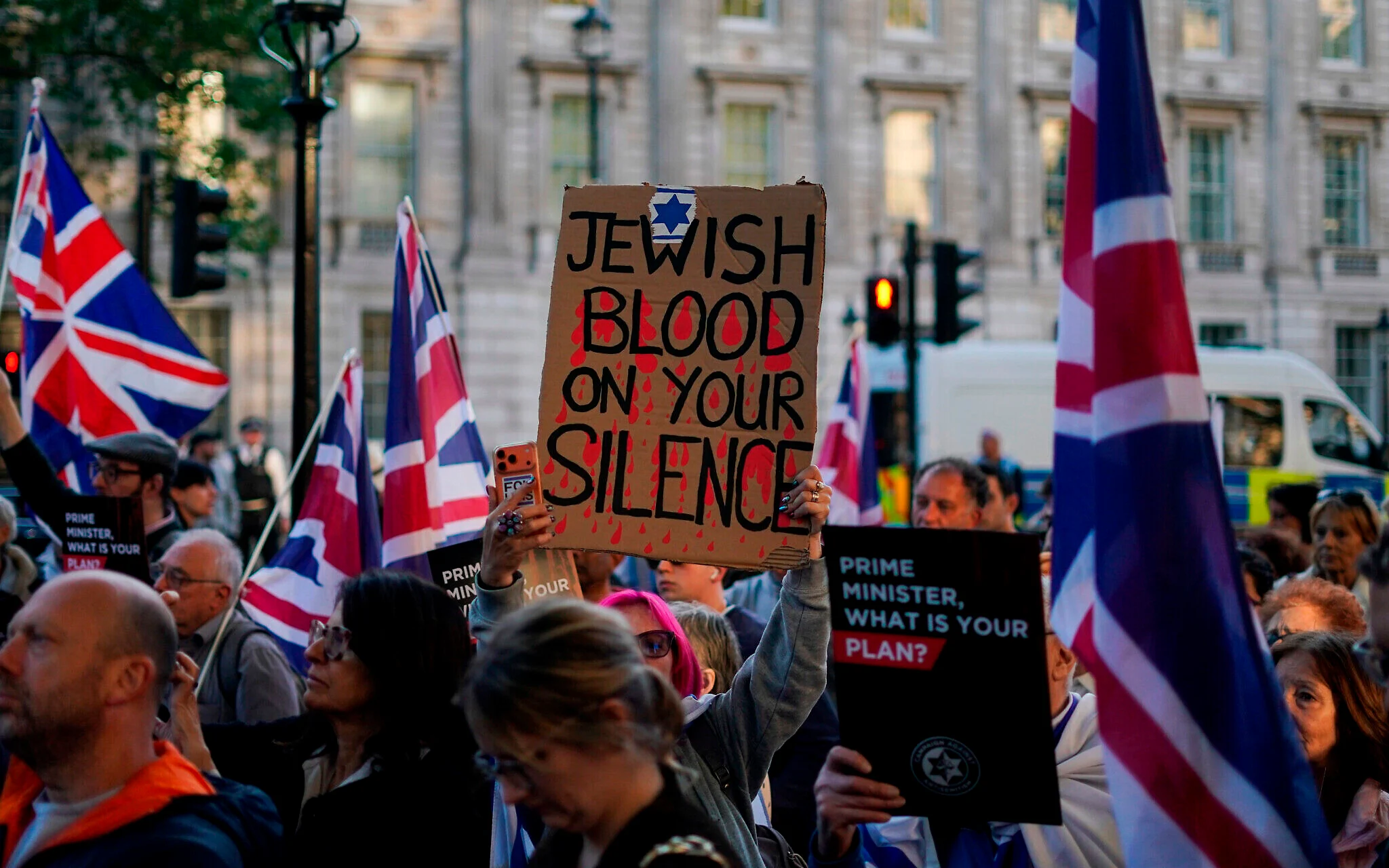
It said a series of arson and vandalism attacks targeting Jewish sites across Britain were carried out by a proxy group operating with Iranian backing.
That allegation moves the dispute from the abstract into the concrete — from a debate about Iranian intentions to a claim about attacks already committed on UK territory.
The Wider Picture
The disagreement here is not really about paperwork.
Britain is arguing that a formal branch of a foreign military has been directing criminal activity inside the United Kingdom through cut-outs. Iran is arguing that a state’s armed forces cannot legally be designated in this way at all.
Both positions are, in their own terms, coherent. Neither leaves much room for compromise.
What is clear is that the decision hardens an already deteriorating relationship — and that Tehran’s response, however forceful in language, is unlikely to reverse it.
Author