Lawmakers Demand Answers After ICE Officer’s Deadly Maine Shooting Sparks Vetting Concerns
An ICE officer shooting in Maine has ignited a fierce political firestorm in Washington, with Democratic lawmakers demanding answers about how immigration agents are screened, trained, and put on the streets. The controversy erupted after revelations that the officer involved in the deadly incident had a documented history of mental health struggles and violent behavior.
The case has become a flashpoint in the broader fight over the Trump administration’s aggressive immigration enforcement, raising uncomfortable questions about who is being given a badge and a gun.
A Troubling Background Comes to Light
The details that surfaced Thursday landed like a shock. Reporting revealed that David Brouillette, the Immigration and Customs Enforcement officer who fatally shot a Colombian man in Maine, is an Army veteran who, according to several close relatives, has grappled with serious mental health issues since early childhood.
That history has become the center of the storm. For critics, it isn’t just a tragic personal detail — it’s evidence of a system that failed at its most basic responsibility: keeping unfit individuals from being armed and sent into communities.
The revelation immediately prompted lawmakers from both parties to weigh in, though the sharpest reactions came from Democrats who have long warned about the pace and scope of ICE’s expansion.
Democrats Sound the Alarm
Democratic members of Congress wasted no time connecting the shooting to what they see as dangerous gaps in the agency’s hiring practices.
Representative Bennie Thompson of Mississippi, the top Democrat on the House Homeland Security Committee, argued that Brouillette’s record of violence and mental health problems — combined with the death in Maine — directly undermines any confidence in the vetting and training ICE claims to conduct. He called for a full investigation and said the officer responsible should be removed from the streets and held accountable.
Senate Democratic Leader Chuck Schumer framed the tragedy in even starker terms. Earlier this year, Schumer led a shutdown of the Department of Homeland Security as Democrats attempted to impose limits on immigration enforcement. Now, he says, the cost of failing to rein in ICE is being counted in human lives.
Schumer accused the administration of rushing 12,000 agents onto the streets without confirming they were fit to carry a badge and a weapon, and charged that Republicans handed the agency sweeping power with little accountability. He urged Republicans to work with Democrats to prevent further deaths.
A Hiring Spree Under Scrutiny
The timing of the revelations has intensified concern. The shooting comes amid an aggressive Department of Homeland Security hiring push, backed by large sums from Republicans in Congress to advance President Trump’s mass deportation agenda.
That rapid buildup is now facing hard questions. Critics worry the pressure to hire, vet, train, and deploy new recruits at high speed may be compromising the safeguards meant to keep dangerous individuals out of the ranks. When agents are patrolling communities across the country, the margin for error is slim — and the stakes couldn’t be higher.
The Brouillette case has crystallized those fears, offering what opponents describe as a real-world example of what happens when speed outpaces caution.
A Republican Voice From Maine
Not all the response fell along strictly partisan lines. Senator Susan Collins of Maine, the Republican chair of the powerful Appropriations Committee, pointed back to her earlier call for an impartial investigation into the Biddeford shooting, stressing that the details surrounding the tragedy matter.
Collins also highlighted safety measures she helped secure. As part of the Homeland Security funding bill Republicans approved to end the department shutdown, she ensured funding for two key initiatives:
- $20 million for expanded use of body-worn cameras
- $2 million for deescalation training
Collins argued that the earlier government shutdown, which she attributed to Democrats, delayed the enactment and rollout of these very safety measures — a pointed reminder that both parties are eager to shape the narrative around accountability.
A Growing Death Toll
The Maine shooting is not an isolated event. According to reporting, at least 10 people have died in encounters with immigration agents since Trump launched his crackdown after returning to office.
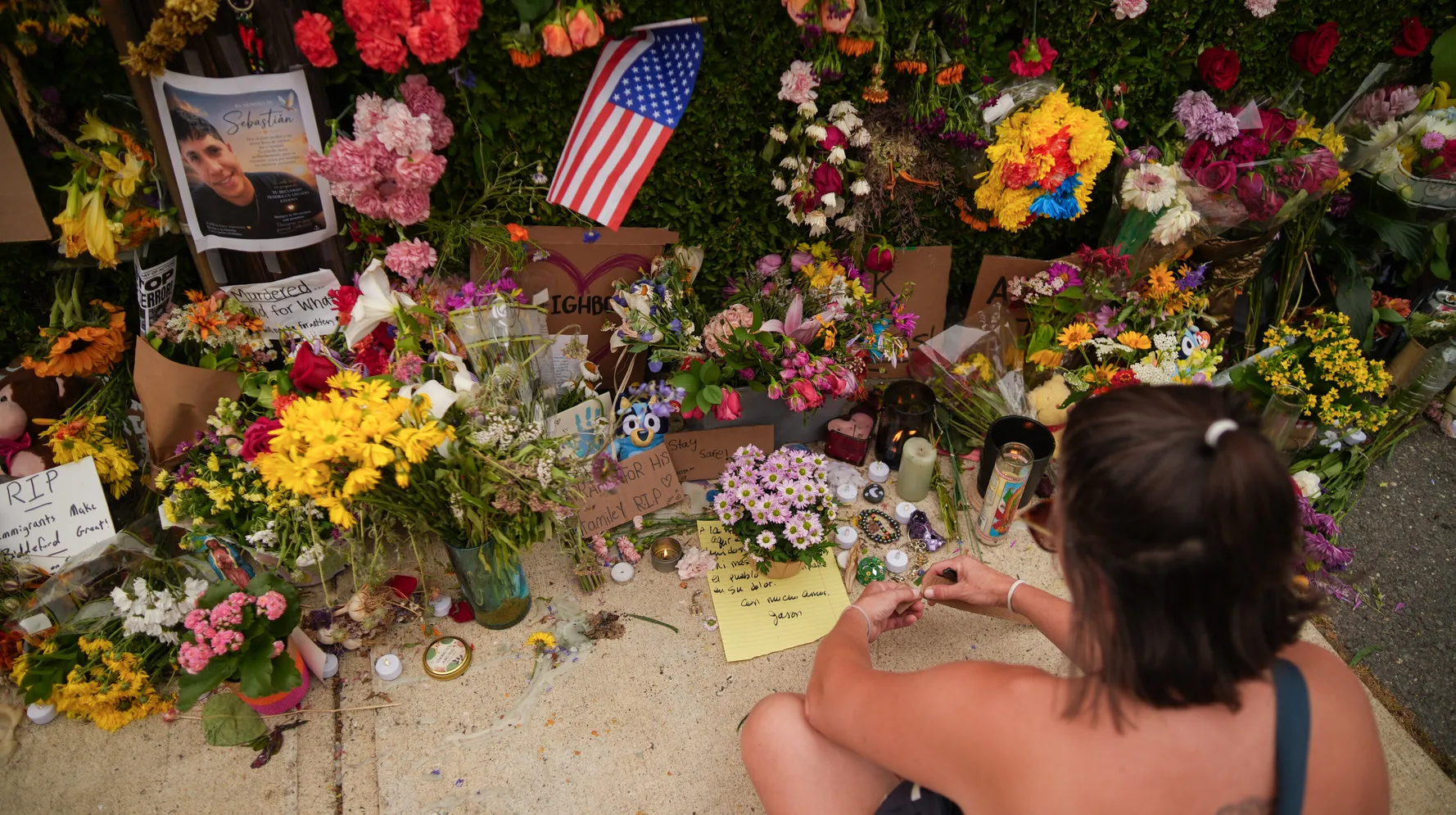
Among them was 25-year-old Johan Sebastián Durán Guerrero, a Colombian national. He was shot and killed by Brouillette on Monday while sitting in his car near his home in the coastal city of Biddeford, Maine. His death has become the human face of a debate that often gets buried under policy language and political point-scoring.
Sharp Words and Demands for Accountability
Several senators delivered blistering statements in the wake of the report.
Senator Richard Blumenthal of Connecticut called the revelation appalling, describing it as exactly the kind of intolerable danger critics feared would result from arrest quotas and inadequate training. He argued the officer should never have been armed by the U.S. government in the first place, and vowed to keep pressing for answers and accountability now that a man is dead.
Senator Alex Padilla of California went further, accusing the administration of encouraging both ICE and Customs and Border Protection to enter and intimidate communities even when agents are untrained, improperly vetted, or inexperienced. He called Guerrero’s killing horrifying and demanded a credible, independent, and transparent investigation to ensure those responsible are held accountable.
The Bigger Questions
Beneath the immediate outrage lie deeper issues that will likely outlast this single incident:
- Whether the speed of ICE’s hiring surge is undermining the quality of its vetting
- How much oversight and accountability should accompany an agency granted expanded power
- What role arrest quotas and training gaps play in escalating dangerous encounters
- How to balance aggressive enforcement with basic public safety
Supporters of the administration’s approach emphasize the scale of the enforcement mission and point to new safety funding as a corrective. Opponents counter that no amount of after-the-fact spending can undo the harm of arming someone who never should have carried a weapon.
Looking Ahead
The Maine shooting has thrust the mechanics of immigration enforcement into the national spotlight, forcing a reckoning with how quickly the government has expanded its ranks and at what cost. With multiple lawmakers vowing to demand answers, the pressure for an independent investigation is only building.
For the family of Johan Sebastián Durán Guerrero, and for the communities watching closely, the coming weeks will test whether these demands translate into genuine accountability — or fade into the familiar rhythm of political blame. What remains clear is that a single shooting in a small Maine city has reopened a much larger question about who is trusted to enforce the nation’s immigration laws, and whether the safeguards meant to protect the public are keeping pace with the badge and the gun.
Author