Tropical Storm Lala is drawing steadily closer to Hawaii Island, and the practical signs of its approach were everywhere on Friday — empty beaches, sandbags stacked inside an airport terminal, cancelled departure boards and a shuttered university campus. The system has been gradually tightening its structure, and forecasters expect conditions across the island to worsen sharply beginning early Saturday.
A Quiet That Says Everything
Along the Keaukaha coastline near the Hilo airport, the mood was one of cautious preparation rather than panic.
Captain Craig Kamahele has spent his whole life in Keaukaha. On an ordinary day he and his friends would be down at the shoreline as a matter of routine. Friday was not an ordinary day.
He noted that the usual crowd simply had not shown up, and said he doubted anyone would be around at all. In a place where the beach functions as a daily gathering point, that absence is its own kind of warning sign.
Beaches Closed as the Swell Builds
Onekahakaha Beach Park has been closed to the public, and heavy surf was already pushing in.
The pattern forecasters described is a rolling one: elevated surf reaching east-facing shores on Friday, then spreading westward and continuing to grow through the weekend. That means the danger does not arrive everywhere at once — communities on the western side of the island may see calm water hours before the swell reaches them, which can create a false sense that the threat has passed them by.
Coastal residents have been urged to stay well clear of the water and to keep away from exposed shoreline areas even where beaches have not been formally closed.
Air Travel Grinds to a Halt
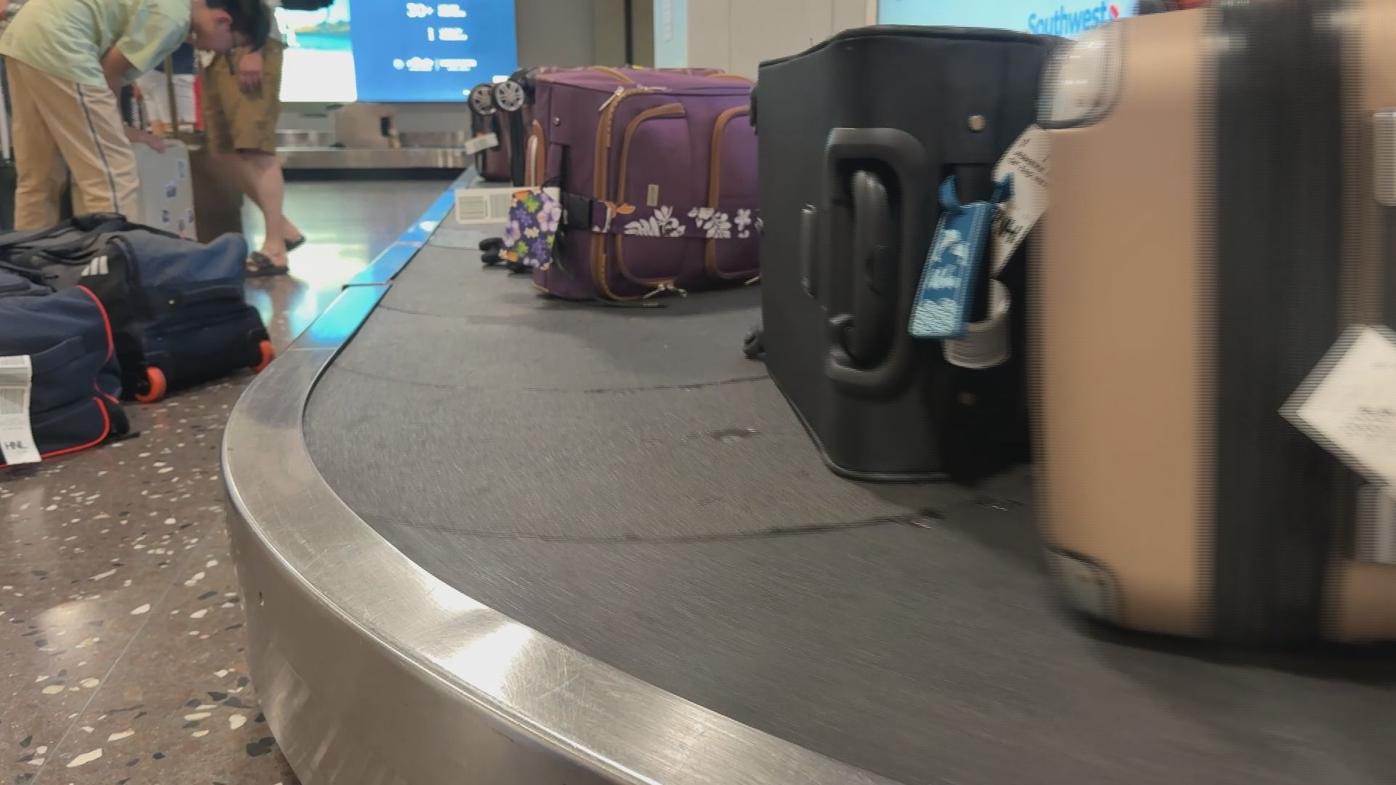
Hilo International Airport spent Friday in a strange in-between state. Flights were still moving, but the preparations were impossible to miss — sandbags had been positioned in the check-in area in anticipation of heavy rainfall.
Then the cancellations began.
Here is where things stood:
- All Alaska and Hawaiian flights in and out of Hilo were cancelled as of 2 p.m. Friday.
- All operations for those carriers have been suspended for Saturday.
- Southwest Airlines issued travel advisories and is assessing flights individually.
- Southwest’s Friday schedule was still operating, but its 6 a.m. and 8 a.m. Saturday departures have been cancelled.
Travellers who had been watching the forecast tried to move quickly. A number of passengers arrived at the terminal hoping to leave before the shutdown took effect.
Nathan Cotter, a Kauai resident working as a contractor at the University of Hawaii at Hilo, was among them. He said coverage of the storm had made the rising threat clear and that his priority was simply getting home to family rather than being stranded.
Cotter and a coworker had been released from work earlier in the day after the university closed for the storm. He said they had put themselves on standby for anything departing sooner, with an afternoon flight as the fallback — a booking he described as far from certain.
The Voice on the Radio
For many residents, the most reliable thread through a storm is not an app but a familiar voice.
At KWXX Radio in Hilo, morning show host Kuehu Mauga has been broadcasting updates since the threat first emerged, with the station keeping listeners current on Lala’s movement.
Mauga described the role in terms of relationship rather than information alone — that in severe weather the station becomes a steady presence for families across the island, and that maintaining that connection and passing along safe, accurate guidance to the community is precisely why the platform matters.
It is a point worth sitting with. Power outages and network disruption are common in tropical systems. Radio often outlasts both.
What Residents Should Be Doing Now
With conditions set to deteriorate early Saturday, the window for preparation is narrow. Standard guidance for a storm of this type includes:
- Securing loose outdoor items that could become airborne
- Charging phones and backup batteries before power is at risk
- Keeping several days of drinking water and non-perishable food on hand
- Having a battery-powered or hand-crank radio available
- Avoiding low-lying roads and areas prone to flooding
- Staying entirely out of the ocean until advisories are lifted
Travellers should check directly with their airline rather than relying on third-party updates, since carriers are making decisions on a rolling basis.
The Bigger Concern: Rain, Not Just Wind
Tropical storms affecting Hawaii Island frequently do their worst damage through rainfall rather than wind speed. The island’s steep terrain funnels water quickly, and prolonged downpours can trigger flash flooding and landslides in areas that seem safe when the storm first arrives.
That is part of why the sandbags at the airport are telling. Officials are clearly planning around water intrusion as a primary risk.
Waiting It Out
For now, Hawaii Island is in the uncomfortable phase of a storm — the preparation is largely done, the closures are in place, and there is nothing left but to wait and see what actually arrives.
Residents will be watching for updates through Saturday as the system makes its closest approach. Anyone in the affected area should follow official emergency management guidance and be ready to adjust plans quickly if conditions shift.
Author
-
Lucienne Albrecht is Luxe Chronicle’s wealth and lifestyle editor, celebrated for her elegant perspective on finance, legacy, and global luxury culture. With a flair for blending sophistication with insight, she brings a distinctly feminine voice to the world of high society and wealth.