The federal campus antisemitism investigations that upended funding at three prominent universities were shaped by predetermined outcomes rather than evidence, according to a whistleblower complaint from a former Justice Department attorney released this week.
Who Filed the Complaint
Haley Van Erem spent years working in the Justice Department’s Civil Rights Division before departing. During her final stretch there, she was among several DOJ lawyers involuntarily assigned to the Department of Health and Human Services to help examine antisemitism allegations at universities.
Her complaint, filed with the inspectors general at both DOJ and HHS as well as the Office of Special Counsel, was made public Tuesday by Maryland Representative Jamie Raskin. Attorneys from the Government Accountability Project represent her.
The Core Allegation
The complaint describes a process that inverted the normal order of an investigation. Rather than collecting evidence and then reaching conclusions, her lawyers argue, senior officials decided the outcome first and treated the investigative work as a formality.
Her attorneys wrote to Congress that leadership at both agencies abandoned long-standing practices built to protect due process, accuracy and legal compliance. Investigators faced compressed deadlines that made careful, defensible findings difficult to produce.
Some investigations, according to the letter, opened with little or no factual basis at all. When attorneys asked questions, flagged legal problems or attempted to record their objections in writing, they were sometimes reprimanded and their concerns frequently ignored.
The complaint states plainly that hundreds of millions of dollars were suspended from these universities before Title VI investigations concluded, and that the investigative team’s conclusions were often set aside.
What Happened at Each School
Brown
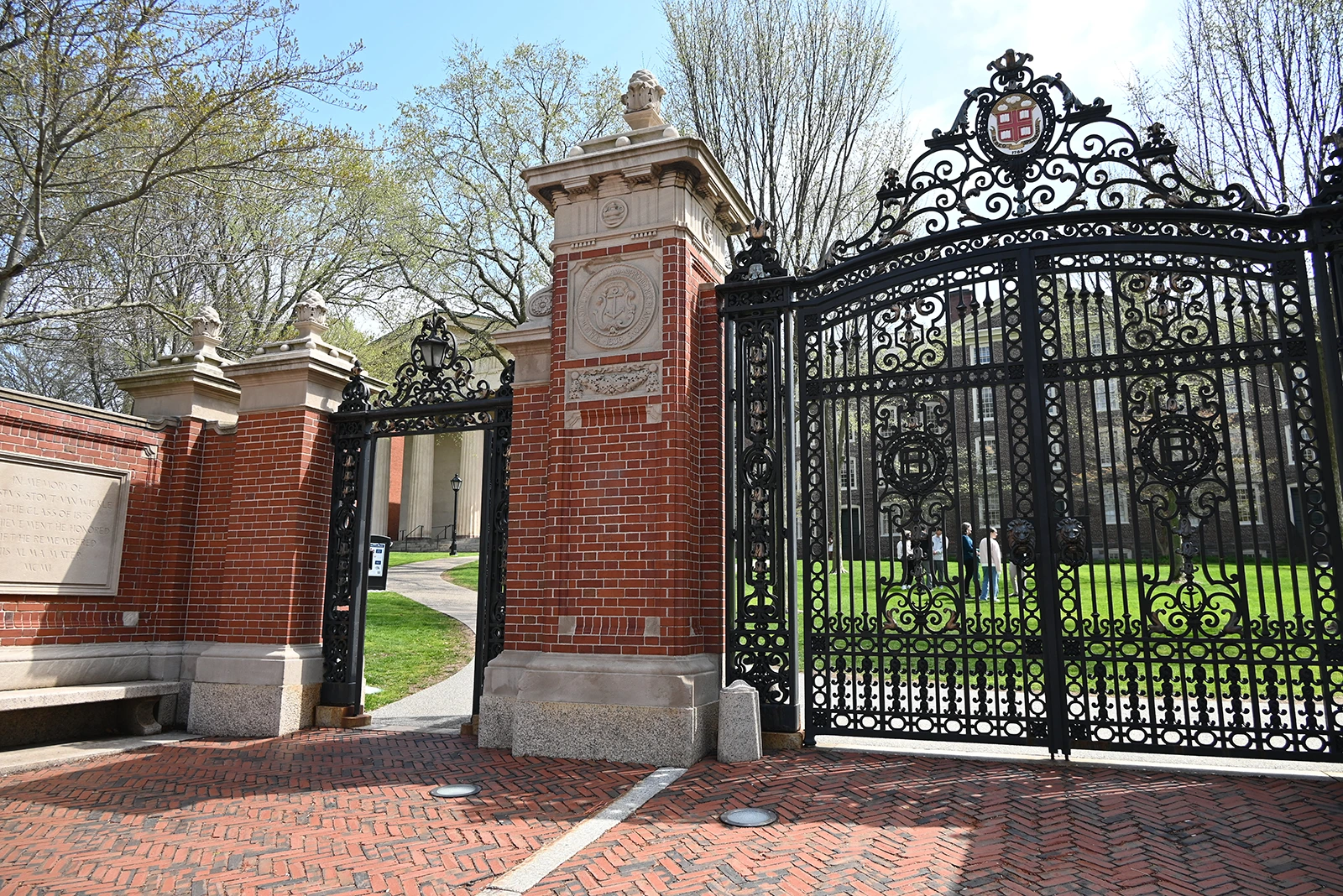
Attorneys examining Brown reportedly found no Title VI violations. Their assessment was that the university had responded promptly and effectively to the small number of incidents that occurred.
The government pursued a settlement regardless.
Brown told reporters its agreement did not stem from any finding of fault by any agency, and that the school denied any violation of federal law. The university emphasized it was never informed of a determination that it had broken any law, and noted the funding freeze lifted by the settlement created serious difficulties for its research operations and financial stability.
Columbia
Here the complaint describes staff being pushed to issue findings on an accelerated schedule, before factual and legal review had finished.
The consequence, her lawyers argue, was reliance on unsupported allegations, material drawn from news coverage and litigation filings, and activity protected by the First Amendment.
Harvard
DOJ attorneys raised what the complaint characterizes as grave legal concerns when the government moved to cut off funding prematurely and pursued a settlement before any investigation had been completed.
The Court Ruling That Preceded the Complaint
The timing matters. The complaint surfaced days after a federal judge dismissed the Justice Department’s lawsuit against Harvard, which alleged the school violated Title VI of the Civil Rights Act by failing to protect Jewish and Israeli students.
District Judge Richard Stearns in Massachusetts concluded that the discrimination examples the government presented were too isolated and episodic to establish a federal civil rights violation. Title VI applies to institutions receiving federal funding.
Harvard chose to fight in court. Brown and Columbia took the other path, settling to resolve comparable allegations and restore their federal money.
That divergence now looks consequential. The one school that litigated saw the government’s case collapse under judicial scrutiny.
The Department Pushes Back
A Justice Department spokesperson rejected the allegations and disputed Van Erem’s involvement, stating that she did not work on university investigations while at DOJ and that the department stands behind the integrity of those matters.
HHS was contacted for comment, as were Harvard and Columbia.
A Division in Transition
The complaint arrives amid broader unease among veteran Civil Rights Division attorneys about how the division operates under Assistant Attorney General Harmeet Dhillon.
Dhillon has redirected the division away from many of its traditional approaches to investigating discrimination against people of color. New priorities have included:
- Scrutinizing campuses that permitted pro-Palestinian demonstrations
- Examining diversity, equity and inclusion programs at universities
- Creating a section dedicated specifically to gun rights protection
Those shifts have drawn sustained criticism from former division lawyers who view them as a departure from the office’s historic mission.
Congressional Pressure
Raskin, the ranking Democrat on the House Judiciary Committee, sent Dhillon a letter requesting communications and records tied to the three investigations.
His language was blunt. He acknowledged that antisemitism at American universities and medical schools is genuine and deserves serious attention, then argued the investigations themselves were not serious at all, describing them as a politically driven operation with conclusions written in advance.
He went further, contending the entire effort was built to harass faculty and administrators, restrict speech and academic freedom, and strip institutions of grant money already awarded on the merits of their applications.
Why This Matters Beyond Three Campuses
Title VI enforcement gives the federal government substantial leverage. Funding can be suspended while an investigation proceeds, which means the process itself carries punishment regardless of the eventual finding.
That structure works only if the underlying investigations are credible. If findings are determined before evidence is weighed, the tool becomes something else entirely, and institutions facing it have strong incentives to settle rather than endure a prolonged freeze on research funding.
Brown’s own statement illustrates the dynamic. The school denied wrongdoing, was never told it violated any law, and settled anyway because the funding freeze threatened its research mission.
What Comes Next
Three separate oversight bodies now hold the complaint. Inspectors general at DOJ and HHS can conduct independent reviews, while the Office of Special Counsel handles whistleblower retaliation claims.
Congressional Democrats will press for documents, though their ability to compel production depends on committee dynamics they do not currently control.
For now, the dispute over campus antisemitism investigations has become a fight over process itself, and over whether federal civil rights enforcement was used to reach answers already chosen.
Author