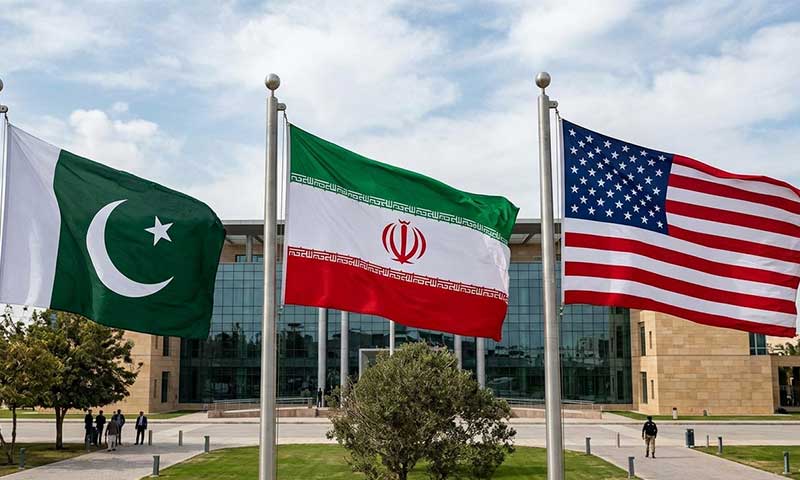
While Trump publicly threatened total annihilation, something extraordinary was unfolding behind closed doors. This is the story of how a ceasefire was forged in 48 chaotic hours — through runners, phone calls, and a supreme leader communicating in handwritten notes.
A Monday morning nobody will forget
While President Trump smiled and worked the crowd at a White House Easter celebration, his envoy Steve Witkoff was furious on the phone. The U.S. had just received a 10-point counter-proposal from Iran — and Witkoff called it “a disaster, a catastrophe.” That moment kicked off one of the most chaotic and consequential days in recent diplomatic history.
What most of the world didn’t know was that behind Trump’s escalating public threats, eleven sources with direct knowledge say quiet but frantic diplomacy was already underway — with Pakistani, Egyptian, and Turkish intermediaries racing to bridge what felt like an unbridgeable divide.
The man communicating by handwritten notes
At the center of it all was Iran’s new Supreme Leader, Mojtaba Khamenei — operating under the constant shadow of an Israeli assassination threat. Unable to move freely or communicate electronically, Khamenei was passing instructions through human runners carrying physical notes. It was painstaking. It was slow. And yet, two sources called his eventual willingness to authorize a deal a genuine “breakthrough.”
Iranian Foreign Minister Abbas Araghchi played a crucial supporting role, not only managing the negotiations but also persuading commanders from the Revolutionary Guards — a famously hardline faction — to accept the terms. China was also quietly advising Tehran to find an off-ramp. But when the moments of decision came on Monday and Tuesday, every major call went through Khamenei. As one regional source put it bluntly: “Without his green light, there wouldn’t have been a deal.”
“We had no idea what was going to happen. It was wild.” — A U.S. defense official, describing the final hours before the ceasefire announcement
The threat that shook the world — and may have helped seal the deal
By Tuesday morning, momentum was building — but that didn’t stop Trump from making his most alarming declaration yet: “A whole civilization will die tonight.” Some news outlets reported Iran had broken off talks in response. Sources inside the negotiations told a different story. Talks were very much alive, and there was quiet optimism.
Meanwhile, U.S. forces and Pentagon officials were preparing for a massive bombing campaign against Iranian infrastructure — genuinely unsure which way their commander-in-chief would go. Allies across the region braced for retaliation on an unprecedented scale. Inside Iran, civilians had begun fleeing their homes.
Vice President Vance was working the phones from Hungary, coordinating primarily with Pakistani officials. Netanyahu, in frequent contact with Trump throughout the day, was growing increasingly anxious — sensing that events were moving beyond Israeli control.
The final hours: from chaos to ceasefire
By around noon on Tuesday, there was a tentative sense that the two sides were edging toward a two-week ceasefire. Three hours later, Pakistani Prime Minister Shehbaz Sharif published the terms on X and urged both parties to accept.
Trump’s phone immediately lit up. Hawkish allies and confidants flooded in with calls and texts urging him to walk away. The confusion was so complete that people who had spoken with Trump just an hour earlier still believed he would reject the deal — right up until he didn’t.
Before posting his acceptance, Trump called Netanyahu to secure a commitment to honor the ceasefire. He then spoke with Pakistani Field Marshal Asim Munir to formally close the deal. Fifteen minutes after Trump’s post went live, U.S. forces received the order to stand down.
Iran’s Araghchi followed with a statement confirming Tehran’s compliance and announcing the Strait of Hormuz would reopen to vessels operating in coordination with Iranian armed forces.
What comes next — and why the hard part is just beginning
A ceasefire was declared, but the distance between Washington and Tehran remains vast. Netanyahu has received private assurances from the U.S. that any future peace deal will require Iran to surrender its nuclear material, halt enrichment, and dismantle its ballistic missile program. Iran’s leadership, which has spent days publicly arguing that American threats made diplomacy impossible, will be watching closely to see whether those threats are truly over.
Vice President Vance is expected to lead the U.S. delegation at talks in Pakistan on Friday — the most consequential diplomatic assignment of his career. Shipping resumption through the Strait of Hormuz remains uncertain. Israeli adherence to the ceasefire is far from guaranteed.
One ceasefire, however fragile, pulled the world back from the edge of something catastrophic. Whether it holds — and what it actually means for the region — is a question that will define the months ahead.
Author