A Truth Social post threatens to unravel a ceasefire that’s barely 48 hours old.
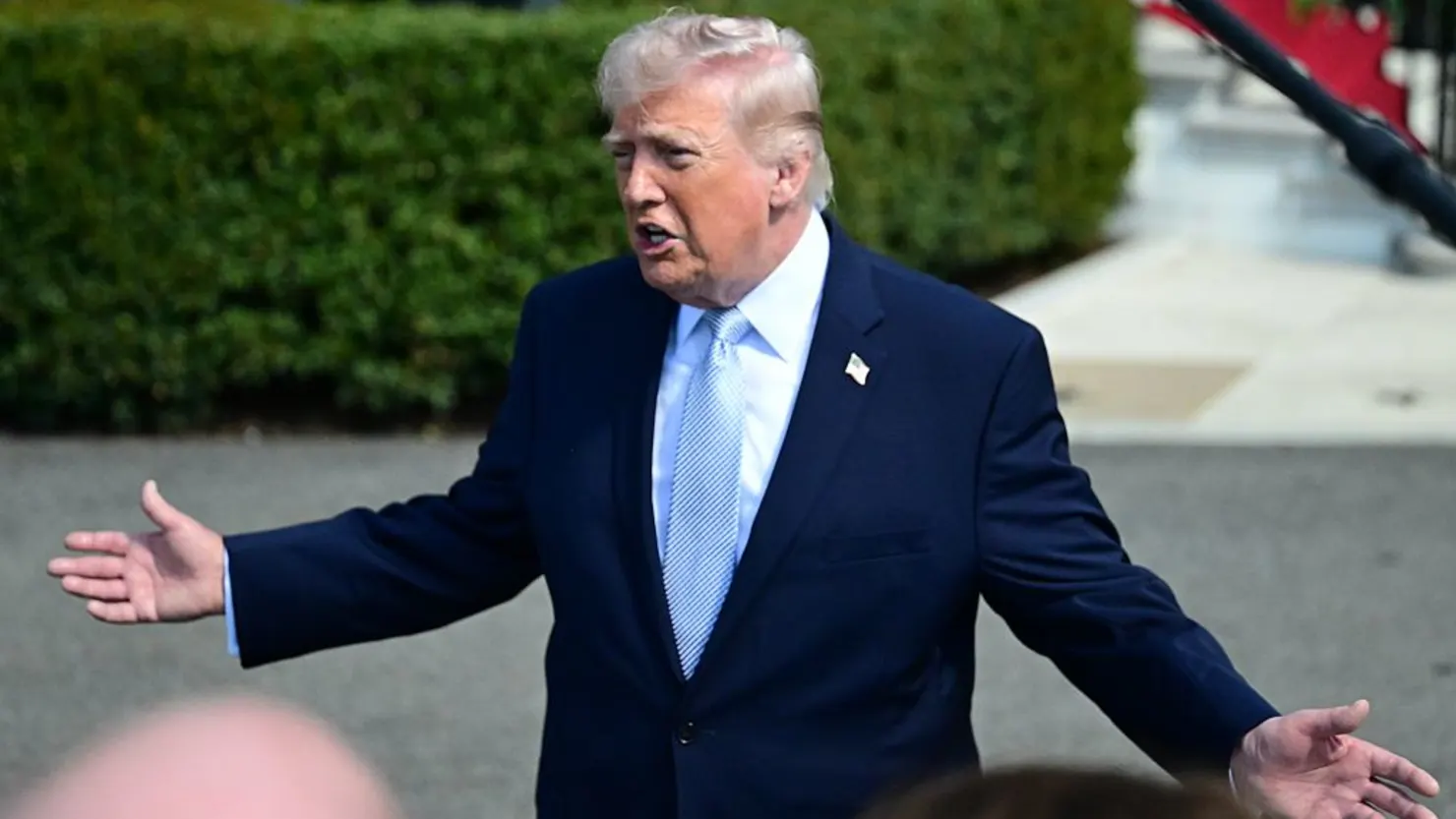
The ink on the U.S.-Iran ceasefire is barely dry — and it’s already showing cracks. President Donald Trump issued a sharp public warning to Iran on Thursday, demanding the country halt reported plans to charge oil tankers fees for passing through the Strait of Hormuz, one of the world’s most critical shipping lanes.
What Trump Said
In a post on Truth Social, Trump made his position clear and his tone unmistakable.
“There are reports that Iran is charging fees to tankers going through the Hormuz Strait,” he wrote, before adding: “They better not be and, if they are, they better stop now!”
A follow-up post went even further, with Trump declaring: “Because of me, Iran will never have a nuclear weapon and, very quickly, you’ll see oil start flowing — with or without the help of Iran. And to me, it makes no difference, either way.”
The posts also took a swipe at The Wall Street Journal’s editorial board, which had suggested Trump declared victory over Iran too soon. Trump pushed back sharply, insisting the outcome was a genuine victory with nothing premature about it.
A Ceasefire Already Under Pressure
The timing could hardly be more sensitive. Trump announced just Tuesday evening that the U.S. had agreed to a two-week suspension of hostilities with Iran — but with a firm condition attached: Iran had to agree to the complete, immediate, and safe opening of the Strait of Hormuz.
That condition, it appears, is far from being met. Vessel traffic through the strait remains heavily restricted, as it has been since the conflict began on February 28. And now, according to a Financial Times report from Wednesday, Iran is reportedly planning to charge shipping companies fees — to be paid in cryptocurrency — in exchange for allowing their vessels safe passage through the waterway.
If accurate, that puts Iran in direct violation of the ceasefire’s core terms before the agreement has even had a chance to settle.
Why the Strait of Hormuz Matters So Much
This isn’t just a diplomatic dispute — it’s an energy security issue with global consequences. The Strait of Hormuz is the passage point for roughly 20% of the world’s oil supply. Any disruption to traffic through the narrow waterway sends ripples across global energy markets almost immediately. The idea of Iran effectively placing a toll on that corridor — particularly during an already fragile ceasefire — escalates the stakes considerably.
Where Things Stand
Less than two days after a ceasefire was reached, the relationship between Washington and Tehran is already back under significant strain. Trump’s language on Truth Social leaves little room for ambiguity — and the global oil market will be watching closely to see whether Iran backs down, holds firm, or escalates further.
For now, the ceasefire exists on paper. Whether it survives the week is another question entirely.
Author