Xi warns Trump on Taiwan — that was the sharpest moment to emerge from the high-profile summit between Chinese President Xi Jinping and President Donald Trump in Beijing. While the two leaders struck an upbeat tone on trade and energy, Xi delivered a pointed message about the one issue capable of unraveling everything: the future of Taiwan.
A Two-Hour Meeting With a Warm Surface
The closed-door session ran roughly two hours and 15 minutes, and the White House described it as “good.” Afterward, the two leaders visited Beijing’s historic Temple of Heaven together.
Asked by reporters how the talks went, Trump called them “great” and praised China as a beautiful, incredible place. Notably, both Trump and Xi sidestepped questions about whether Taiwan had come up at all.
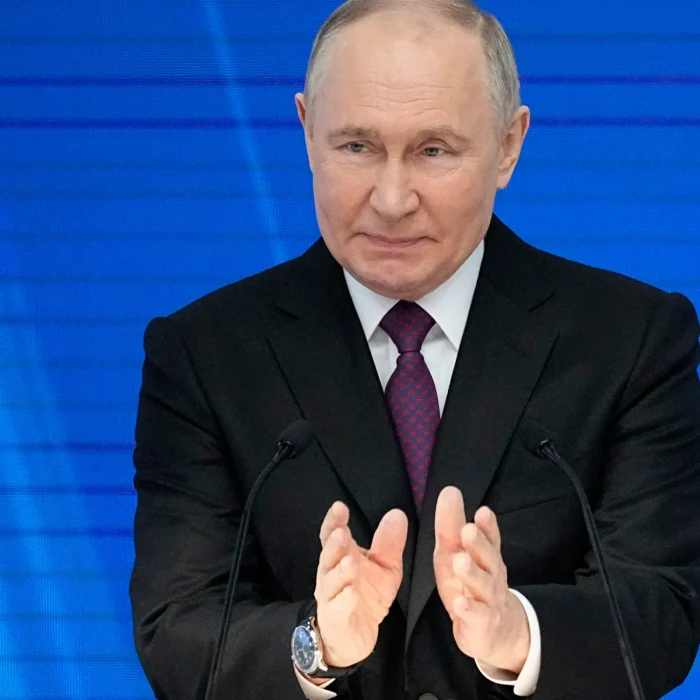
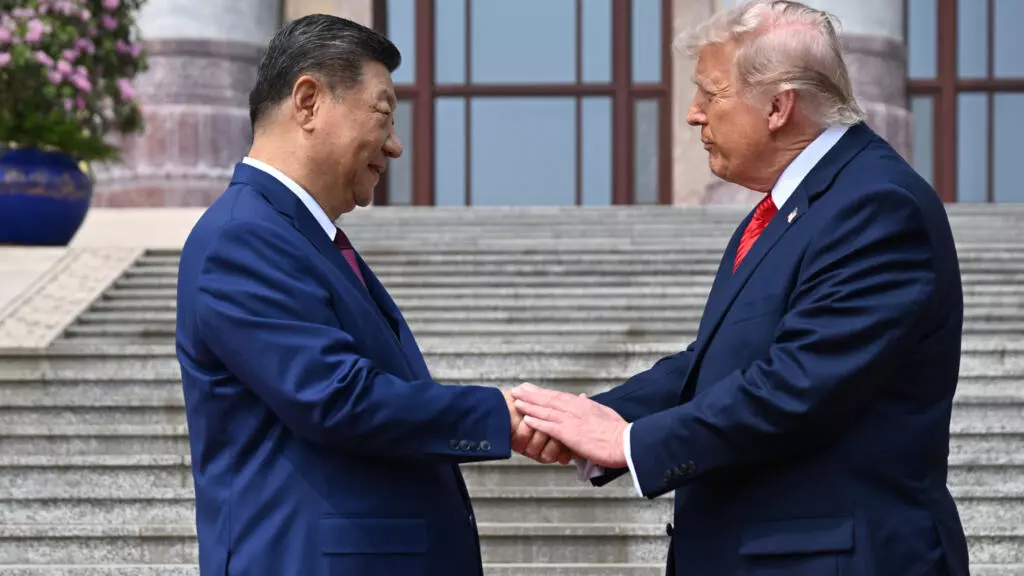
The day had begun with considerable ceremony. Trump and Xi shook hands outside the Great Hall of the People, where an opening ceremony featured a brass band, marching military units, and cheering children waving American and Chinese flags. Inside, before reporters were ushered out, both men offered warm words. Xi said a stable bilateral relationship is good for the world and that the two countries should be partners rather than rivals. Trump emphasized his personal rapport with Xi, calling him a friend and a “great leader,” and predicting a “fantastic future together.”
The Stern Message on Taiwan
Beneath the cordial surface, Xi’s language on Taiwan was unmistakably firm.
According to a readout posted on X by Chinese foreign ministry spokesperson Mao Ning, Xi told Trump that the Taiwan question is the most important issue in China-US relations. Handled properly, Xi said, the relationship could enjoy overall stability. Handled poorly, the two countries could face clashes and even conflicts, putting the entire relationship in serious jeopardy.
Xi went further still. The post said he described “Taiwan independence” and cross-Strait peace as “as irreconcilable as fire and water,” while framing the safeguarding of peace across the Taiwan Strait as the biggest common ground between the two nations.
Tellingly, the White House did not mention Taiwan at all in its own description of the meeting.
Trade: Both Sides Sound Optimistic
On trade, the mood was far sunnier — and both governments wanted that known.
China’s state-run news agency Xinhua reported that Xi told Trump that China-US economic ties are mutually beneficial and win-win in nature. According to Xinhua, Xi said the two countries’ economic and trade teams had produced generally balanced and positive outcomes the previous day, calling it good news for both nations and the world, and stressing that trade wars produce no winners. Where frictions exist, he reportedly said, equal-footed consultation is the only right choice.
The White House offered its own framing, saying the two sides discussed:
- Expanding market access for American businesses into China
- Increasing Chinese investment into US industries
- Ways to enhance broader economic cooperation
Leaders from many of the largest US companies joined a portion of the meeting.
Iran and the Strait of Hormuz
The US war with Iran also hung over the talks, though Trump had said beforehand he didn’t expect it to dominate the agenda the way trade would.
According to the White House, the two leaders agreed that the Strait of Hormuz must remain open to support the free flow of energy. Xi reportedly made clear China’s opposition to militarizing the strait or charging a toll for its use, and expressed interest in buying more American oil to reduce China’s future dependence on the waterway. Both countries agreed that Iran can never have a nuclear weapon.
This is a delicate area for Beijing. China imports vast amounts of Middle Eastern oil and is the world’s largest purchaser of Iranian oil — meaning it is both highly sensitive to the war’s effects on global energy and an important economic lifeline for Iran. Secretary of State Marco Rubio said he expects Iran to come up in this week’s talks, adding that Washington has made clear that any Chinese support for Iran would damage the relationship.
A Delegation Packed With CEOs
The trip drew a striking lineup of American business leaders. Tesla CEO Elon Musk, Nvidia CEO Jensen Huang, and outgoing Apple CEO Tim Cook were among those who attended the welcoming ceremony, standing alongside Trump administration officials.
The CEOs also met with Xi at the Great Hall. Xinhua reported that Xi told them China’s door would only open wider, and that he believed US companies would find broader prospects in the country. China is a crucial market for many of these firms — Nvidia, for instance, has been seeking to sell more advanced chips there.
Exiting the venue, the executives sounded pleased. Musk said “many good things” had been achieved, Huang said the meetings went well, and Cook offered reporters a peace sign and a thumbs-up.
How the Relationship Got Here
The relatively friendly tone marks a notable shift. Just over a year ago, the US-China relationship was far rockier.
Trump’s hefty tariffs sparked a tit-for-tat trade war, with both countries briefly raising tariffs on each other’s goods to over 100%. The two also clashed over rare earth elements, semiconductors, student visas, fentanyl precursor chemicals, and Chinese soybean imports, among other issues.
Tensions have since eased. Both sides have scaled back tariffs, and China agreed to halt export restrictions on rare earths. It remains unclear whether a more comprehensive trade deal is within reach, but experts believe neither side wants a repeat of last year’s conflict. US Trade Representative Jamieson Greer has even floated the idea of a US-China “Board of Trade” to coordinate future deals.
Why Taiwan Still Looms Largest
Taiwan remains the unresolved fault line. China has long said it intends to reunify with Taiwan and has not ruled out using force to take what it considers a breakaway province.
The US has provided billions of dollars in military support to the island and opposes any unilateral change to the status quo — but it maintains a longstanding policy of strategic ambiguity, declining to say whether it would defend Taiwan in a war. That uncertainty has fueled worry within Taiwan, a democracy that produces the vast majority of the world’s most advanced semiconductors, that US support could become a bargaining chip as Trump pursues deals with Beijing.
The Bottom Line
The Beijing summit captured the dual nature of the US-China relationship in 2026: genuine progress on trade and energy, paired with an unmistakable warning on Taiwan. The fact that Xi warns Trump on Taiwan in such stark terms — “fire and water” — while both sides celebrate trade momentum shows exactly where the relationship’s promise ends and its danger begins. For now, the two powers appear committed to managing their rivalry. Whether they can keep the hardest issue from boiling over is the question the summit left unanswered.
Author