The New World screwworm beef prices concern has resurfaced in a serious way, as a flesh-eating parasite discovered near the Mexican border threatens to derail President Donald Trump’s efforts to bring down the cost of beef ahead of the November midterms.
A Dangerous Pest Reappears
Over the past week, the New World screwworm — a parasite notorious for killing untreated livestock — was found in two calves in south Texas. Its return to American soil has set off alarm bells among agriculture officials, ranchers, and beef industry leaders, who have spent months bracing for the pest’s anticipated arrival. The timing could hardly be worse, with ground beef and steak already commanding record prices.
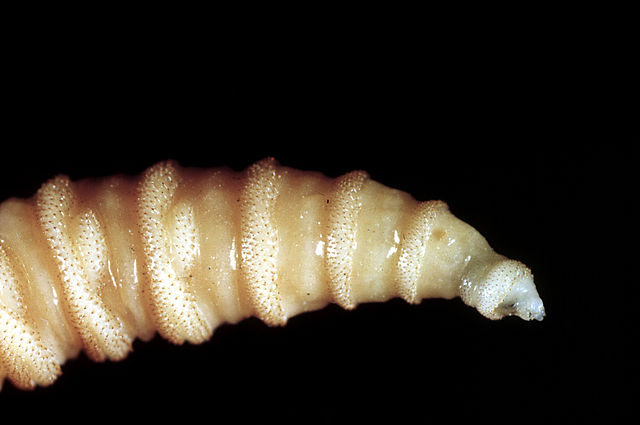
The screwworm is a fly that lays its eggs in open wounds. Once hatched, the larvae feed on living flesh, and the infestation can be deadly if not caught early. The parasite can also infect humans, particularly those who work closely with animals or have open wounds. Even livestock that survive often suffer significant tissue damage, meaning portions of meat and hide must be discarded.
Officials Downplay Immediate Risk
Administration officials have sought to reassure the public that the screwworm’s return poses no threat to the nation’s food supply or to public health. Agriculture Secretary Brooke Rollins acknowledged, however, that the impact on beef prices remains uncertain.
“None of us have a crystal ball, so none of us really understand what this is going to mean for the cattle herd,” Rollins said following a House Agriculture Committee hearing. “The cases should be isolated. We’ll see. We don’t know.”
Beef prices have already soared due to strong demand and a cattle herd that has shrunk to a decades-low level, driven by severe weather, industry consolidation, and rising operating costs. In April, ground beef averaged nearly $7 per pound, while uncooked steak hovered around $13 per pound.
The Potential Economic Toll
The financial stakes are considerable. According to a USDA estimate, an outbreak resembling the 1976 infestation could inflict roughly $1.8 billion in losses on the Texas economy and cost the state’s farmers about $732 million annually.
There are also fears that the official case count understates the true scope of the problem. Texas Agriculture Commissioner Sid Miller suggested many infections may be going unreported.
“We probably have a lot more cases that are not being reported,” Miller said. “If it’s positive, they’ll quarantine you, so no one’s reporting them because no one wants to be quarantined.”
The Battle Plan and Its Bottleneck
USDA has established a 20-kilometer quarantine and surveillance zone around the location of the infected calf and is sending veterinary supplies to the area. The agency’s primary weapon is a proven one: releasing sterile male flies that gradually cause the pest population to collapse.
“That’s how we beat it in the ’50s and ’60s, and that’s how we’ll beat it again,” Rollins said.
As of midweek, USDA had released 4 million sterile flies in the affected area, with an additional 4 million being released regionally each week. But the strategy faces a critical limitation in supply:
- Only one sterile fly production facility currently exists in North America, located in Panama, producing about 100 million flies weekly.
- A new facility in Mexico, set to open soon, will add roughly another 100 million.
- Past outbreaks required an estimated 400 to 500 million sterile flies per week to defeat.
- A new Texas facility, expected to produce around 300 million flies weekly, won’t be fully operational until at least November 2027.
Calls to Move Faster
The lengthy timeline has prompted urgent appeals to accelerate construction. Texas Gov. Greg Abbott warned that the situation could deteriorate over the summer and signed a disaster declaration authorizing the use of all state funds and personnel to speed up the Texas facility.
“We cannot make it through a second summer,” Abbott said, explaining that he is pushing to complete the facility by May of next year rather than November.
Miller offered an even starker outlook, arguing the state can’t afford to wait years. “The whole state will be infested in probably six months. We don’t have two and a half to three years,” he said. Miller, who recently lost his reelection bid, has advocated for an alternative bait-and-insecticide approach.
Industry Caught in the Middle
New USDA restrictions on transporting livestock near the affected region have raised concerns among industry representatives about getting cattle to market. For months, beef industry groups have worked with the agency to balance containment efforts against the need for business flexibility.
Opinions on the consumer impact vary. Cooper Little of the Independent Cattlemen’s Association of Texas warned of reduced beef output and higher costs, saying, “We’re going to look at a lower tonnage of beef and higher input costs, which can keep beef prices on that sharp upward trajectory.”
Ethan Lane of the National Cattlemen’s Beef Association struck a more measured tone, calling the grocery-store impact “negligible” and emphasizing that this is “an animal health issue,” not a supply issue.
A Political Headache for Republicans
Food prices remain a sensitive subject for Republicans heading into the high-stakes November midterms. A POLITICO poll found that 73 percent of Americans who voted for Trump in 2024 believe food prices have risen since he took office.
Trump has zeroed in on beef in particular, prices having climbed more than 20 percent since the start of his term, even assembling a group of Cabinet members and officials to develop solutions — though proposals like increasing beef imports have split his own allies.
GOP strategist Barrett Marson underscored the political weight of the issue: “Americans run on beef. We notice the price of steaks and ground beef… From the political perspective, this is what did in [former Vice President] Kamala Harris and Democrats in 2024.”
Democrats, meanwhile, have pointed fingers at the administration. Rep. Lizzie Fletcher of Texas argued on the House floor that staffing cuts at USDA undermined preparedness, noting that Texans had been warning Washington about this threat for nearly two years.
Looking Ahead
Despite the challenges, officials remain cautiously optimistic. Rollins told lawmakers she expects the U.S. will be able to push back and eradicate the pest, likely sometime next year. Senate Agriculture Chair John Boozman emphasized the need to marshal every available resource, while acknowledging that the effect on beef prices “just depends on how far the screwworm goes.”
For now, ranchers, officials, and consumers alike are watching closely, hoping that swift action can contain the threat before it spreads further across Texas and beyond.
Author