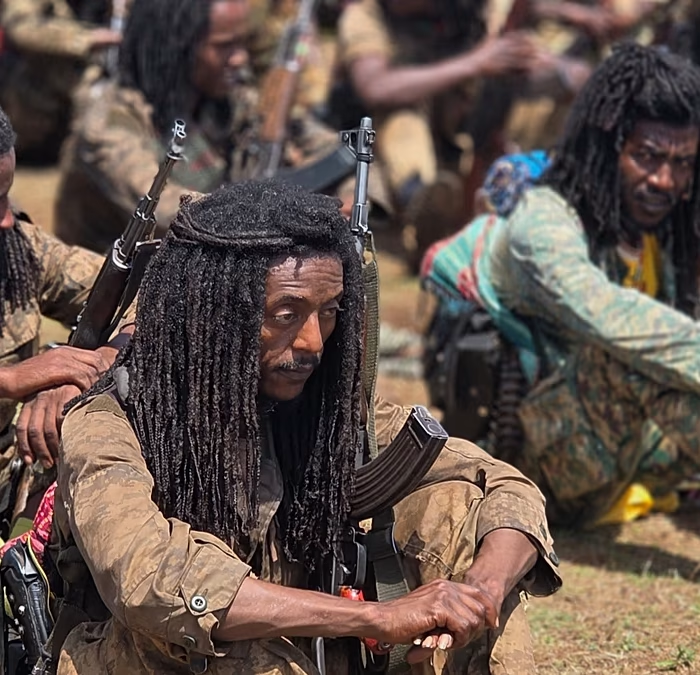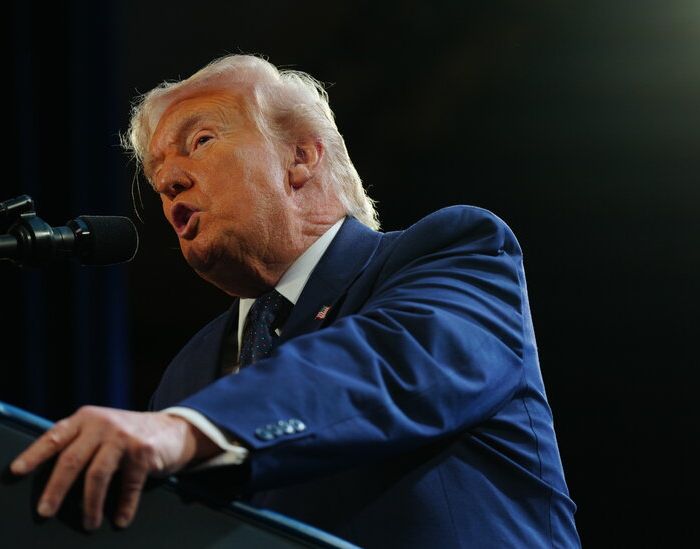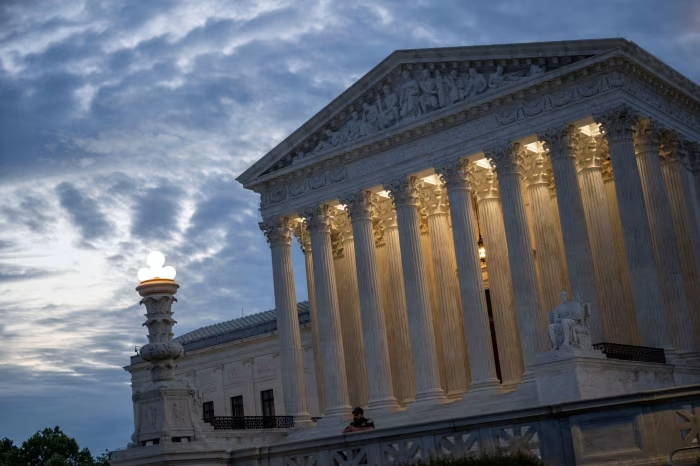
The Supreme Court Rastafarian prisoner ruling delivered Tuesday has closed the door, at least legally, on a man who had his dreadlocks forcibly shaved off behind bars. The court’s conservative majority determined that Damon Landor cannot sue the prison officials responsible, even as the justices stopped short of saying his religious rights were never violated.
The Core of the Decision
In a ruling that turned on legal technicality rather than the underlying conduct, the court held that incarcerated people cannot seek money damages from individual prison employees under the Religious Land Use and Institutionalized Persons Act, known as RLUIPA. The law was designed to protect the religious liberties of those behind bars.
Writing for the six-member majority, Justice Neil Gorsuch notably did not claim Landor’s beliefs had been respected. Instead, he focused on whether the officials could be sued at all. Gorsuch reasoned that the prison staff had never consented to be held personally liable under RLUIPA, comparing the situation to a breach-of-contract claim brought against someone who never entered into a contract in the first place.
The decision upheld a lower court ruling that reached the same conclusion: individual employees cannot be forced to pay damages, even when a prisoner’s rights have been violated.
What Happened to Damon Landor
Landor served a five-month sentence in Louisiana in 2020. As a Rastafarian, his faith requires him to grow his hair as an expression of his religious devotion.
He arrived in the prison system prepared. Aware of his rights, he carried with him a copy of a 2017 appeals court ruling that had found cutting a religious prisoner’s dreadlocks to be a violation of federal law.
For a time, officials honored his beliefs. But the situation changed dramatically after he was transferred to the Raymond Laborde Correctional Center. According to court filings, the sequence of events unfolded as follows:
- A prison guard threw away the court document Landor had brought to protect himself.
- The facility’s warden then ordered that his hair be cut.
- Two guards held Landor down while a third shaved his head.
Landor Vows to Press On
Though the ruling went against him, Landor made clear he has no intention of giving up. In a statement released through his lawyers, he said he was disappointed but not defeated.
He emphasized that what happened violated both his faith and his dignity, and pledged to keep pursuing accountability so that no one else would have to endure the same treatment.
A Sharp Divide on the Court
The decision split the justices along familiar lines, with the three liberal members dissenting.
Gorsuch and the majority maintained that RLUIPA places obligations only on the state or local entity receiving federal funds, not on individual employees who never agreed to be personally subject to lawsuits under the statute.
The dissenters saw it very differently. Justice Ketanji Brown Jackson, writing for the minority, argued that RLUIPA is a law, not a contract, and that the distinction matters enormously. Without consequences for their actions, she warned, prison officials would have little incentive to follow the legal protections meant to safeguard prisoners.
Brown Jackson underscored the stakes by pointing to the facts of the case itself, observing that it is rare for a real-life incident to so vividly illustrate why Congress passed a law in the first place, and why the Constitution wisely allowed it to do so.
Author