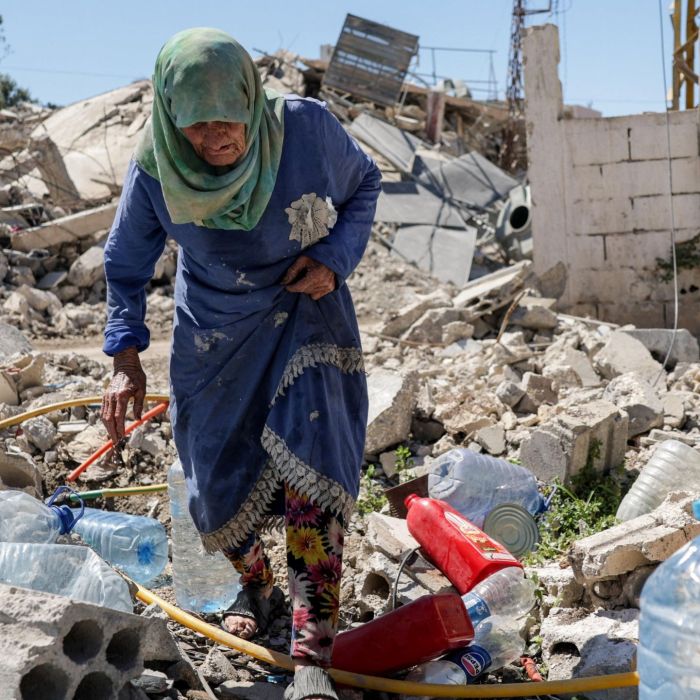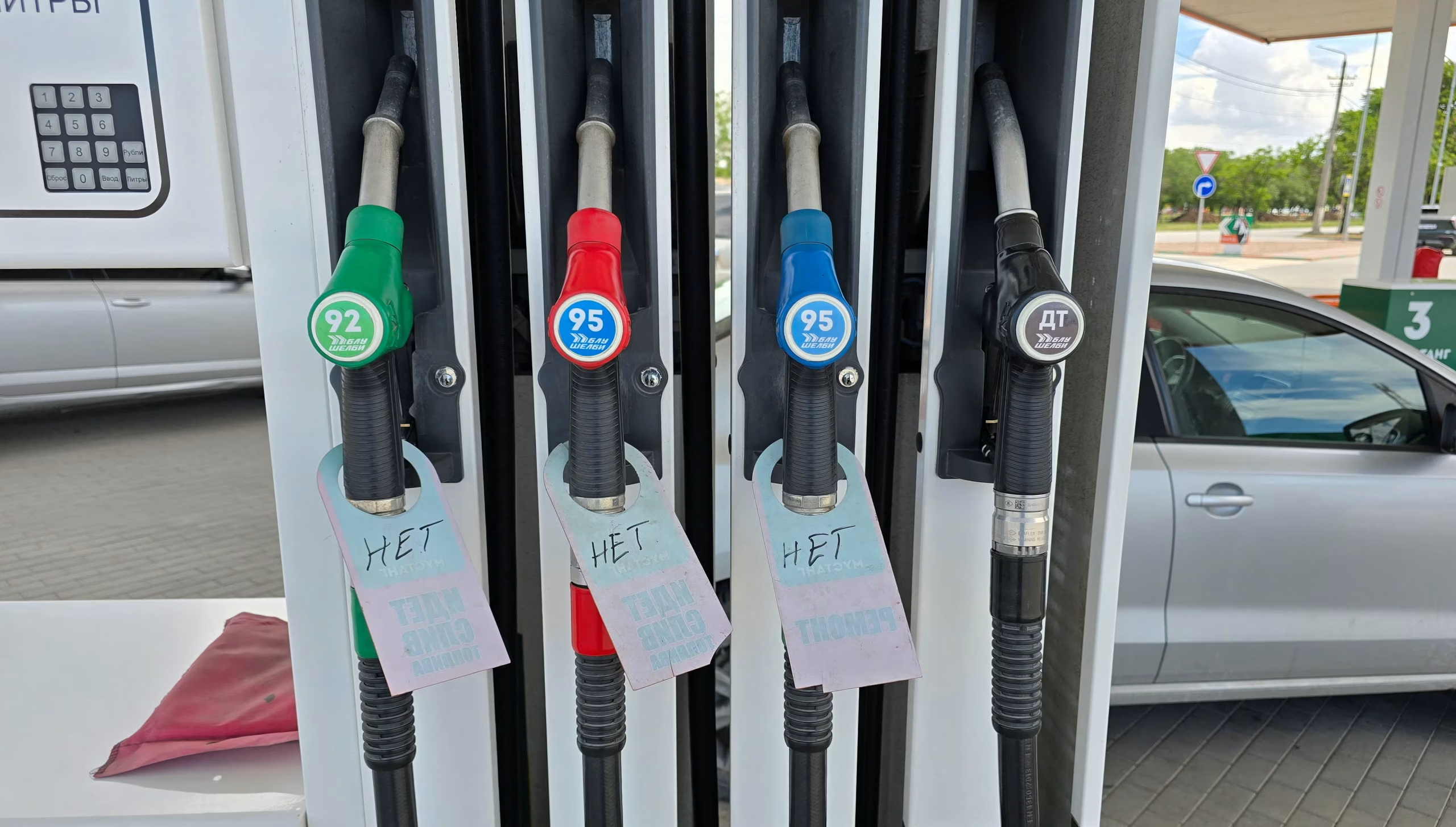
The Russia fuel crisis has reached such a point that in one popular Black Sea resort, traditionally uniformed Cossacks and everyday volunteers are now stationed at petrol pumps to keep tempers from boiling over. As Ukrainian attacks continue to batter Russian energy infrastructure, scenes of long queues, rationing, and improvised crowd control have become a striking symbol of the strain gripping the country.
An Unusual Sight at the Pumps
In Anapa, a favorite vacation destination in Russia’s southern Krasnodar region, city officials have enlisted unexpected help to manage the chaos at fuel stations. According to a post shared by the city administration on Telegram, Cossacks, a historic military and social community recognized by their distinctive uniforms and traditional fur hats, are working alongside police and volunteers to keep order.
Their responsibilities are surprisingly hands-on. The administration described the group as helping to:
- Direct and regulate the flow of traffic
- Defuse arguments and prevent fights among frustrated drivers
- Stop people from illicitly filling jerry cans with fuel
- Maintain orderly queues at the stations
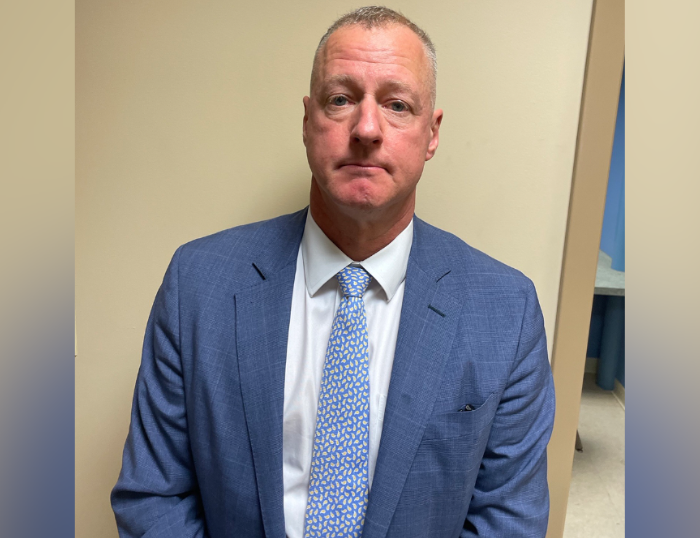
One of the Cossacks, a man who appeared to be in his fifties dressed in a khaki uniform and traditional fur cap, framed the work in almost spiritual terms. He said that by oath and by calling, he served both his homeland and the Orthodox faith, guiding people at the station and preventing conflict.
A Nationwide Shortage With Deep Roots
The crisis in Anapa is far from an isolated problem. Ukrainian strikes on energy facilities across Russia, the world’s third-largest oil producer, have triggered fuel shortages throughout the largest country on Earth by landmass. The situation has grown severe enough that Russia has been forced to import gasoline from suppliers as distant as India.
To cope, authorities in Anapa, like many other regions across Russia and parts of Russian-occupied Ukraine, have imposed strict limits on how much fuel drivers can purchase. Motorists are now capped at 20 liters of gasoline per car. One local resident, a woman who appeared to be in her thirties, told a regional television station that this amount was roughly enough to last about a week.
Rather than expressing anger, she seemed resigned to the new reality, saying she had made peace with the restrictions and trusted there was a valid reason behind them.
Some Relief, But Far From Normal
The measures do appear to be having an effect. An administration official, filmed in front of a busy station as cars streamed in and out, said that waiting times had dropped significantly. Where drivers once endured queues stretching up to four hours, the wait had reportedly fallen to somewhere between 30 and 40 minutes.
Still, the improvement is relative. A 40-minute wait for a rationed amount of fuel underscores just how far conditions remain from ordinary life, particularly in a bustling resort town during peak vacation season.
A Region Under Repeated Attack
Anapa ranks among the most crowded seaside resorts in the Krasnodar region, an area whose energy infrastructure has repeatedly found itself in the crosshairs of Kyiv’s aerial campaign since Russia launched its full-scale invasion of Ukraine in February 2022.
The danger remains constant. In a separate update on Friday, Krasnodar officials reported that falling drone debris had damaged several private homes and a gas pipeline. Fortunately, they said, no casualties resulted from the incident.
Moscow’s Scramble to Ease the Squeeze
Facing shortages that have now spread as far as the country’s eastern frontiers, the Russian government has resorted to a series of stopgap measures. In one notable move on Thursday, authorities issued a decree permitting refiners to produce gasoline and diesel with higher sulphur content for the next six months, through the end of the year.
Loosening quality standards in this way signals how urgently officials are working to keep fuel flowing, even if it means compromising on product specifications. Combined with rationing and foreign imports, these steps paint a picture of a government improvising to hold a critical supply chain together.
A War Grinding On With No End in Sight
The fuel crisis unfolds against the backdrop of a conflict that shows little sign of easing. Ukrainian President Volodymyr Zelenskiy has repeatedly floated the idea of peace negotiations with his Russian counterpart, Vladimir Putin, but the Kremlin leader has rebuffed each of those overtures.
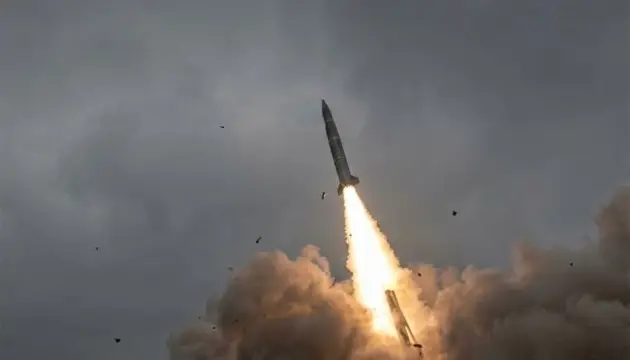
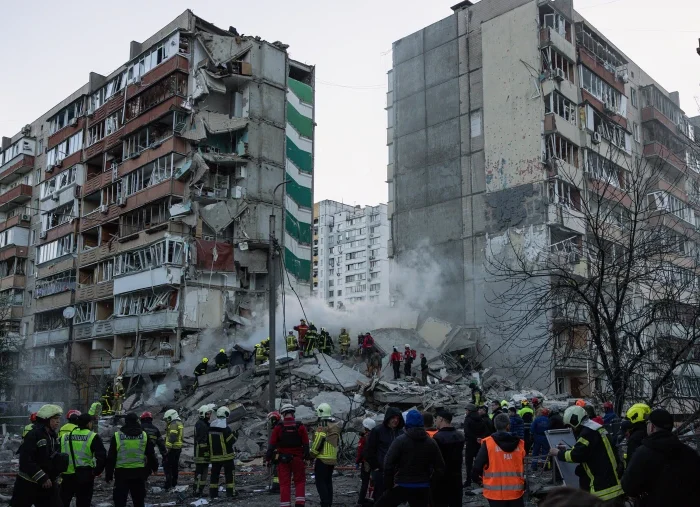
Instead, both sides continue trading blows almost daily. On Thursday, Russia unleashed hundreds of drones and dozens of missiles against the Ukrainian capital, Kyiv, in an assault that killed at least 30 people. The exchange highlights the brutal tempo of a war now well into its fourth year, with civilian areas and infrastructure alike bearing the consequences.
The Bigger Picture
What’s happening at Anapa’s petrol stations offers a revealing glimpse into how deeply the war has begun to reshape daily life inside Russia itself. Ukraine’s strategy of targeting energy infrastructure appears designed to bring the costs of the conflict home to ordinary Russians, and the sight of Cossacks marshaling fuel queues suggests that strategy is landing.
For residents and vacationers in the Black Sea resort, the new routine of rationing, waiting, and community-enforced order has become an accepted, if uncomfortable, part of life. Whether these measures prove sustainable as Ukrainian attacks persist remains an open question.
For now, the country’s third-biggest-oil-producer status offers little comfort at the pump. With imports arriving from thousands of miles away, quality standards relaxed, and traditional fur-hatted Cossacks keeping the peace amid the queues, the fuel crisis stands as a vivid reminder that even a resource-rich giant can find itself rationing gasoline when war reaches its energy heartland.
Author