AI Investment Economic Growth Lifts U.S. GDP, Even as Consumers Pull Back
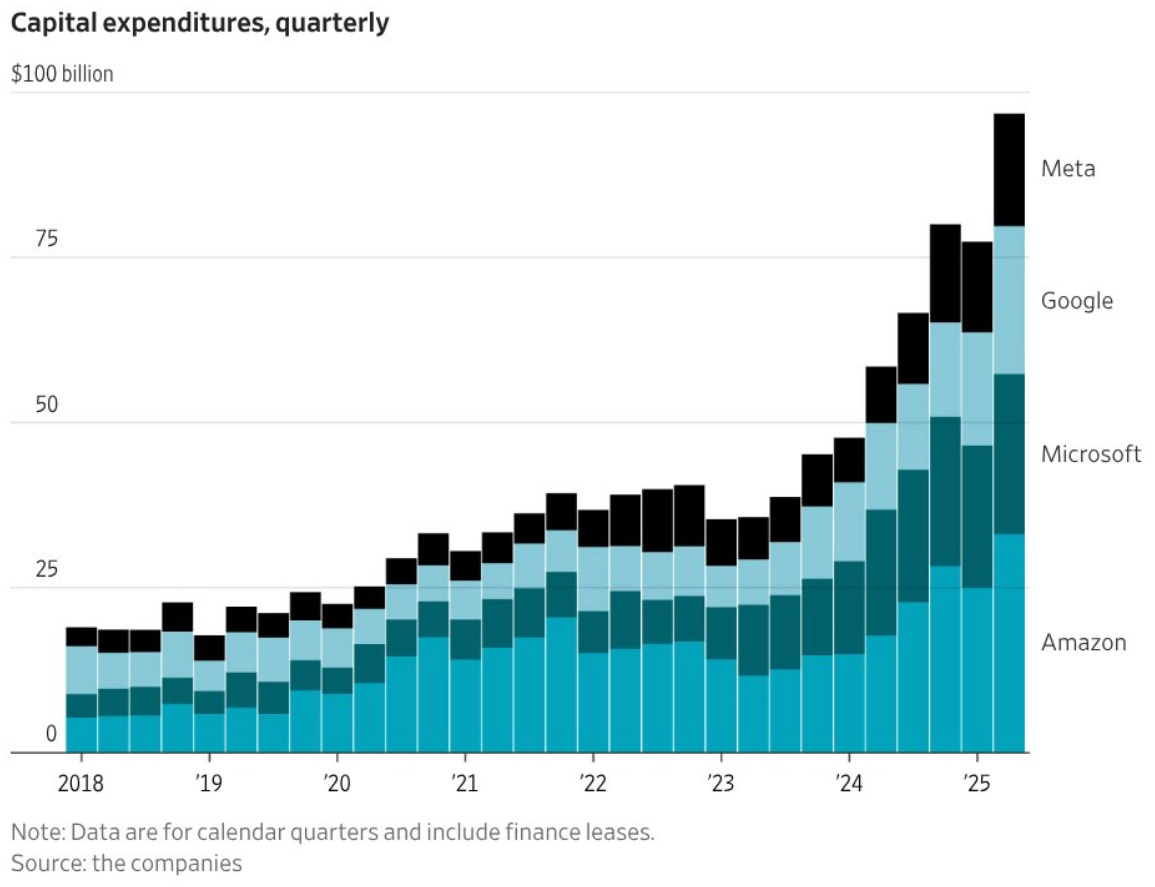
AI investment economic growth has emerged as one of the most powerful forces shaping the U.S. economy in early 2026. In the first quarter, businesses pumped enormous sums into artificial intelligence — fueling a meaningful rebound in GDP after a sluggish fourth quarter that was hit hard by a record-long government shutdown.
But while AI is clearly doing the heavy lifting, the broader picture is more complicated. Consumers eased off their spending, gas prices surged after the launch of the Iran war, and inflation moved in the wrong direction — leaving the economy in a strange mix of strength and strain.
A Solid but Underwhelming GDP Number
The Commerce Department reported that U.S. gross domestic product — the total value of everything produced across the economy — grew at a seasonally and inflation-adjusted annual rate of 2% in the first quarter.
That marks a clear improvement over the previous quarter, which was dragged down by the federal government shutdown. Still, growth came in slightly below expectations:
- Actual Q1 GDP growth: 2%
- Economist expectations (WSJ survey): 2.2%
- Q4 2025 growth: Significantly weaker, hit by the shutdown
In other words, the economy is moving forward, but not at the speed many had hoped for at the start of the year.
AI Spending Becomes the Engine of Growth
The biggest standout in this quarter’s report is just how much AI is driving the U.S. economy. Companies poured money into AI-related categories like advanced equipment, data infrastructure, and intellectual property products.
Overall business investment grew at a 10.4% annual rate — the strongest pace in nearly three years.
According to economists tracking the trend, AI-related spending may have accounted for roughly half of total GDP growth in the first quarter, even after factoring in that much of the high-end computer equipment is imported from abroad.
That single statistic captures a major shift: AI is no longer just a tech-sector story. It’s now a major macroeconomic force shaping the entire U.S. growth picture.
Why This Matters
- AI investment is broadening beyond Big Tech into industries like finance, healthcare, manufacturing, and logistics.
- Capital is flowing into chips, servers, software, and specialized intellectual property at a record pace.
- These investments often boost long-term productivity, which can shape growth for years to come.
The flip side is that heavy reliance on imported AI hardware contributed to a 1.3 percentage point drag on headline growth through net exports — a reminder that the AI boom is global in nature.
Consumers Tap the Brakes
While businesses leaned in, American shoppers leaned back. Consumer spending — the largest single piece of the U.S. economy — rose at a 1.6% annual pace in the first quarter, down from 1.9% in the previous quarter.
The breakdown showed a clear shift:
- More money spent on services, especially healthcare.
- A small decline in spending on goods.
- Continued caution amid rising prices and global uncertainty.
Some analysts argue that this slowdown isn’t as alarming as it sounds, given the unusual headwinds: a sudden spike in gas prices, severe winter weather, and the launch of military operations in Iran. Against that backdrop, modest spending growth might actually be a sign of resilience.
Iran War and Soaring Gas Prices
A major wildcard hanging over the rest of the year is the Iran war and its effect on energy costs. The U.S. and Israel launched attacks on Iran on the last day of February, and gasoline prices have surged ever since.
Key fuel price points include:
- About a 44% jump in the average price of regular gasoline since the conflict began.
- Average regular fuel of about $4.11 a gallon in April, up from $3.67 in March.
- A new postwar high of $4.30 a gallon hit this week.
Most of that increase actually happened after the period covered by this GDP report. That means the full hit to consumers — and the broader economy — is likely still ahead.
Economists warn that as households continue to pour more of their take-home pay into gas tanks, spending on other categories may weaken further, dragging future GDP readings lower.
Underlying Demand Tells a Stronger Story
Beneath the headline number, a key measure of underlying demand looked surprisingly healthy. Final sales to private domestic purchasers — which strips out volatile categories like government spending, inventories, and trade — climbed at a 2.5% annual pace, up from 1.8% in the prior quarter.
That suggests private-sector momentum, especially from business investment, is doing more of the work than the top-line 2% GDP figure implies.
Government Spending Bounces Back
After the prolonged government shutdown ended in November, federal spending came roaring back in the first quarter. Government outlays rose at a 9.3% annual rate, a sharp swing from the 16.6% contraction recorded in the previous quarter.
That kind of rebound is largely a mechanical “payback” effect — but it still helped boost the headline number meaningfully.
Inflation Heats Up Again
While growth gets attention, inflation is the storyline quietly reshaping financial markets. The personal-consumption expenditures price index, the Federal Reserve’s preferred inflation gauge, jumped to 4.5% in the first quarter — up from 2.9% the previous quarter.
That kind of acceleration changes the conversation around interest rates almost overnight.
Rate Cuts Look Increasingly Off the Table
At the start of the year, investors expected the Federal Reserve to deliver around two rate cuts during 2026. Now, the mood has shifted dramatically:
- More than an 80% probability the Fed keeps rates on hold through December (per CME Group data).
- Inflation pressures growing, especially from energy costs.
- Job growth still relatively soft, with first-quarter payroll gains averaging 68,000 jobs per month.
A day before the GDP report, the Fed voted to hold its short-term interest rate target steady, pointing to elevated inflation, weaker job gains, and “a high level of uncertainty about the economic outlook” tied to developments in the Middle East.
That tone signals a central bank in wait-and-see mode, balancing the boost from AI investment economic growth against rising risks from inflation and geopolitics.
Companies Earn Big, but Customers Feel the Squeeze
Corporate America is in a curious spot. Many large companies are reporting strong sales and earnings, supported by:
- Steady underlying demand.
- A still-low unemployment rate.
- Higher tax refunds boosting household cash flow this filing season.
Yet the same companies are warning that customers, especially lower-income shoppers, are getting more cautious as the Iran war drags on and gas prices keep climbing.
Examples of that disconnect include:
- A major pizza chain trimming its U.S. same-store sales growth estimates, citing a softer consumer environment.
- A leading consumer-products giant flagging that geopolitical tensions are weighing on shoppers, even as larger tax refunds offered a temporary lift.
In short: balance sheets look strong, but the mood at the kitchen table is more anxious.
What This All Means Going Forward
Pulling all the threads together, the U.S. economy is being shaped by a tug-of-war between two powerful forces.
On one side:
- A historic surge in AI investment.
- Strong corporate earnings.
- Resilient services spending.
- A still-tight labor market.
On the other side:
- Slower consumer spending.
- Rapidly rising gasoline prices.
- Renewed inflation pressures.
- A war in the Middle East with uncertain consequences.
Many economists now expect AI-driven gains to remain a key support for GDP, but worry that the war-related drag — especially through energy costs — will become more visible in upcoming quarters. As one chief economist put it, the U.S. is enjoying an AI-fueled growth boost today that may face real headwinds tomorrow.
For now, the message from the first-quarter GDP report is clear: artificial intelligence is supercharging the American economy, even as everyday consumers quietly tighten their belts.
Author