






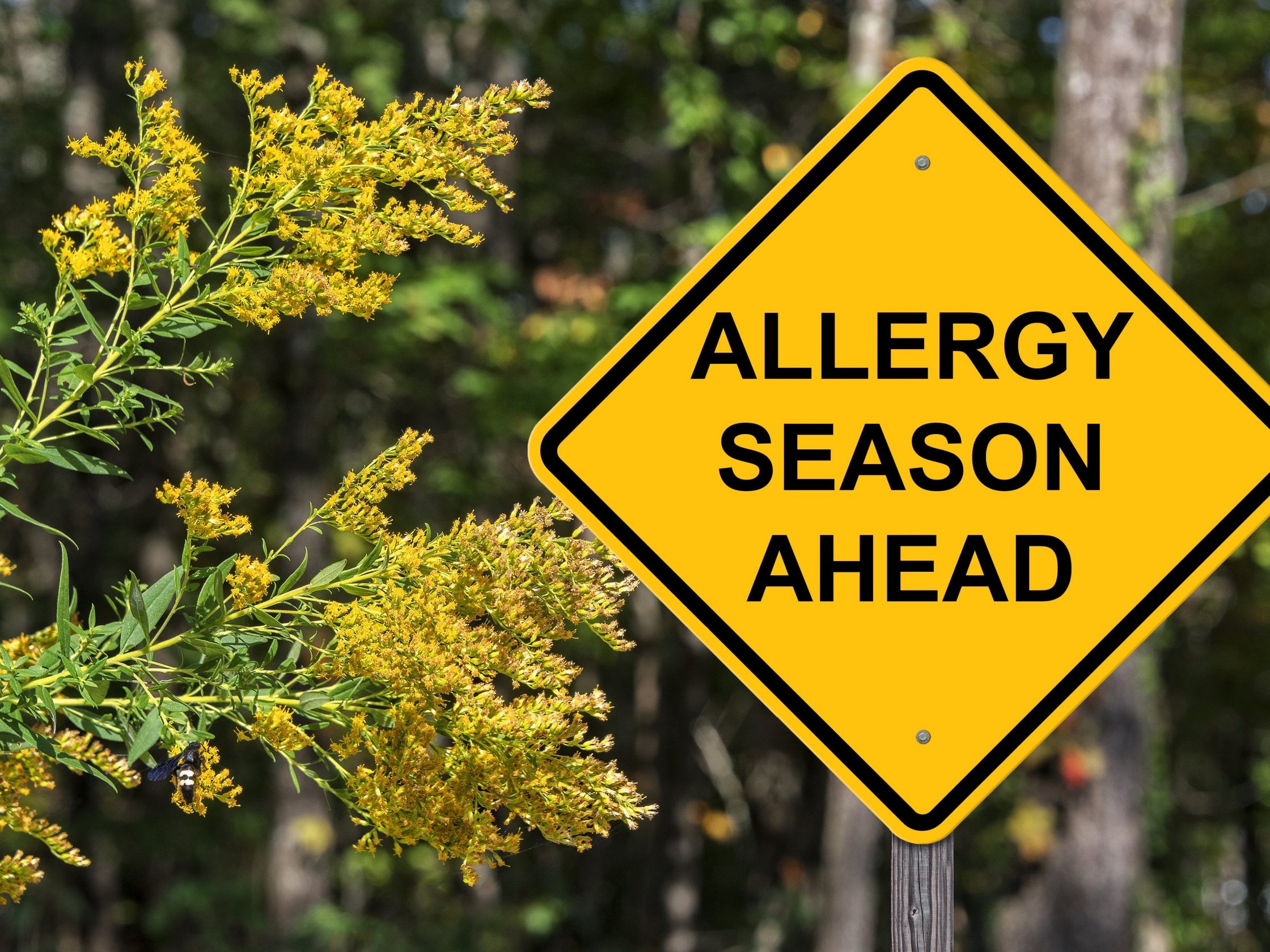
If your eyes have been itching since February and you’ve been sneezing your way through what should still be winter, you’re not imagining it. Allergy season has genuinely arrived earlier, it lasts longer than it used to, and it’s hitting harder. Here’s why — and more importantly, what you can actually do about it.
Why Allergy Season Keeps Getting Worse Every Year
The short answer is climate change. Warmer winters mean shorter freezing periods, which means plants begin releasing pollen earlier in spring and keep going later into autumn. Dr Katelyn Jetelina, adjunct professor of epidemiology at the Yale School of Public Health, describes pollen seasons as now being “longer and more intense” — and the data backs that up. One 2021 study found that pollen season in North America is now 20 days longer than it was in 1990.
It’s not just people with diagnosed allergies who are feeling it either. Even people who have never had allergy problems are experiencing more respiratory irritation as pollen counts climb. Roughly 26% of adults in both the US and UK have a seasonal allergy, along with around 19% of children in the US and 10-15% in the UK. And those numbers may well be growing.
How Do You Know If What You Have Is Actually Allergies?
The classic symptoms are fairly recognisable: itchy, watery eyes, a runny or blocked nose, sneezing, post-nasal drip, headaches, sore throat, and in more severe cases, coughing, wheezing, and difficulty breathing. Dr Arveen Bhasin, an allergist-immunologist at the Mayo Clinic in Jacksonville, Florida, notes that these symptoms can show up at any point in life — it’s not uncommon for adults who have never had allergies before to suddenly develop them.
Moving to a new city or region can also trigger new allergies. It typically takes about two years of exposure to a new environment for the body to develop sensitivities to the local plant life, according to Dr Payel Gupta, medical director for allergy and immunology at Tono Health and spokesperson for the American College of Allergy, Asthma and Immunology.
Over-the-Counter Treatments — and the Mistakes Most People Make
There are several effective options available without a prescription: antihistamine pills, decongestants, nasal sprays, and eye drops. But the way most people use them is wrong — and that’s why they often feel like they’re not working.
The most important thing Dr Bhasin emphasises is timing. To get ahead of symptoms, you need to start your medication routine at least two weeks before pollen season begins — not once you’re already in the thick of sneezing fits. Starting late means you’re playing catch-up the whole season.
For nasal sprays specifically, the most common mistake is stopping too soon. Many people give up after three to five days when they don’t see results — but these sprays require 10 to 14 days of consistent daily use to reach their full effect. Stick with it.
Antihistamines are another area worth watching. They can lose effectiveness over time as the body builds tolerance. If your usual tablet stops working as well as it used to, it may be time to switch to a different formulation rather than doubling the dose.
Decongestants deserve special caution. Overuse causes a rebound effect where congestion actually worsens — experts recommend not using them for more than three consecutive days. People with high blood pressure, heart disease, thyroid conditions, glaucoma, or urinary issues should check with a doctor before using them at all.
“I really don’t understand why decongestants are over the counter, but they are. So people have to be careful.”
— Dr Payel Gupta, American College of Allergy, Asthma and Immunology
Lifestyle Changes That Actually Reduce Your Pollen Exposure
Medication alone only goes so far. Reducing how much pollen you’re actually bringing into contact with your body makes a real difference. Pollen causes irritation by sitting on the surface of your skin, inside your nose, and on your eyes — so the goal is to keep as much of it out as possible.
At home, keep windows closed and run the air conditioning to circulate clean air. Change your air filters regularly. On high-pollen days, consider wearing a mask outdoors. When you come back inside, remove your shoes at the door, shower, and change into clean clothes — this stops you from carrying pollen from room to room and eventually into your bed.
An air purifier is also a worthwhile investment, but make sure you’re getting one appropriately sized for the room. A purifier designed for a small bedroom won’t make a meaningful difference in a large open-plan living space.
When Over-the-Counter Solutions Stop Working — Time to See an Allergist
If you’ve tried the medications, made the lifestyle changes, and are still struggling through the season, it’s time to see a specialist. An allergist can offer treatments that go well beyond what’s available at the pharmacy — including allergy immunotherapy, which comes in the form of allergy shots or sublingual drops placed under the tongue. These treatments work on the underlying sensitivity rather than just managing symptoms, and can provide genuine long-term relief rather than just getting you through each season.
“There are so many ways we can help you feel more comfortable.”
— Dr Payel Gupta, Tono Health
Allergy season isn’t going to get shorter or easier on its own anytime soon. But with the right approach — starting early, using medications correctly, and reducing your exposure — there’s no reason it has to derail your spring entirely.
Author