




It Starts on Your Plate
Most of us don’t think about dementia until it hits close to home — a parent who forgets names, a grandparent who gets lost in familiar places. But what if something as simple as what you eat every day could quietly protect your brain for years to come?
A growing body of research now suggests it can. A large new study published in the journal Neurology found that people who consistently ate a high-quality, plant-rich diet — think whole grains, fresh vegetables, fruits, nuts, and legumes — had a meaningfully lower risk of developing Alzheimer’s disease and other forms of dementia. And perhaps most encouraging of all: it’s never too late to make that shift.
The Study That’s Turning Heads
Researchers at the University of Hawaii Cancer Center followed nearly 93,000 people with an average age of 59, spanning a diverse range of ethnicities including African American, Japanese American, Latino, Native Hawaiian, and White participants. At the start of the study, everyone reported on their diet. Ten years later, roughly 45,000 of them checked in again.
What the researchers found was striking. People who cleaned up their diet over that decade — cutting out more processed and unhealthy foods — showed an 11% lower risk of Alzheimer’s and dementia compared to those whose eating habits stayed the same.
On the flip side, people who leaned into unhealthy plant-based options — refined grains, sugary foods, fruit juices, and heavily processed snacks — were about 25% more likely to develop dementia within that same 10-year window.
“It’s never too late to start eating healthy to lower the risk of Alzheimer’s disease and related dementias,” said senior author Unhee Lim, a professor of population sciences at the University of Hawaii Cancer Center.
Wait — Not All Plant-Based Diets Are Created Equal
Here’s where it gets interesting, and where a lot of people get tripped up.
When people hear “plant-based diet,” they often picture salads and smoothie bowls. But technically, a bag of chips, a plate of white pasta drowning in sugary tomato sauce, or a stack of ultra-processed frozen waffles drizzled with artificial syrup — all of that qualifies as “plant-based.” And none of it is doing your brain any favors.
The study divided plant-based diets into three quality tiers:
Lowest tier — Animal products: red meat, dairy, eggs, seafood, saturated fats.
Middle tier — Less healthy plant foods: refined grains, potatoes, fruit juices, foods with added sugars.
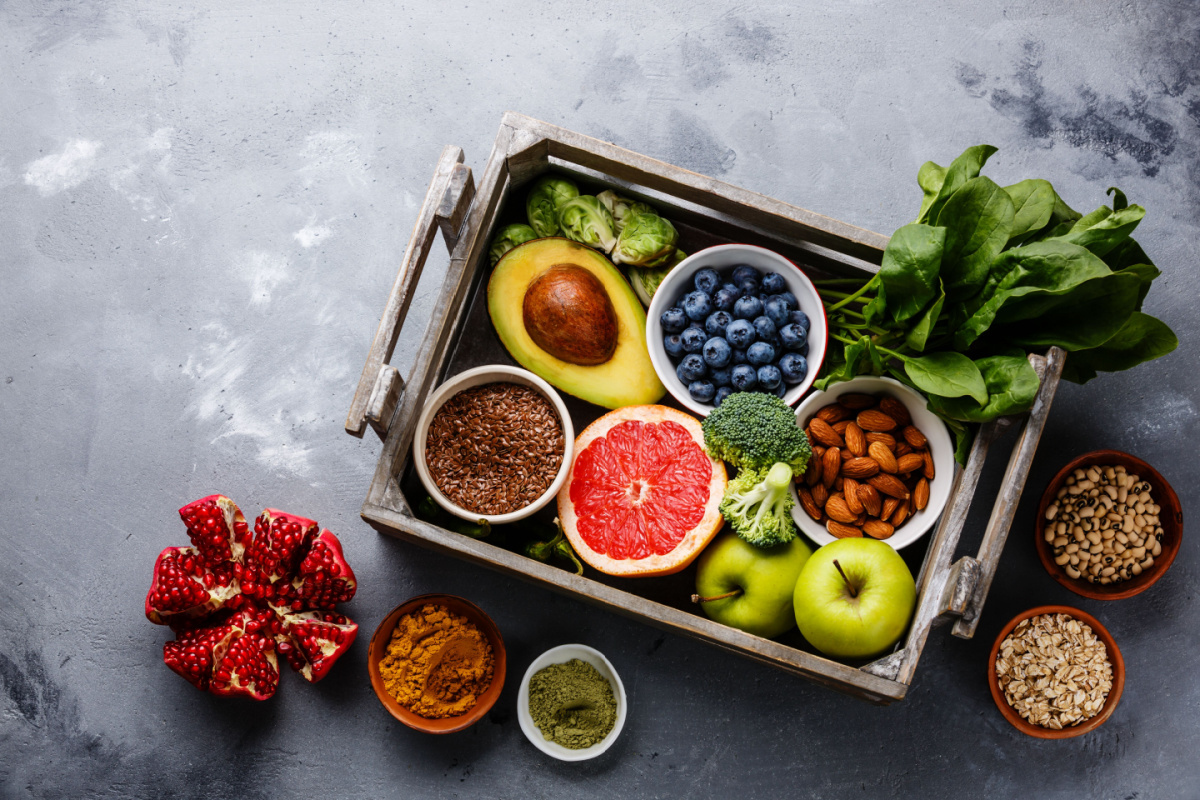
Top tier — The good stuff: whole grains, fresh fruits, vegetables, vegetable oils, nuts, legumes, tea, and coffee.
Those who ate the most from the top tier had a 7% lower risk of dementia compared to those who ate the least from it. Meanwhile, those who loaded up on middle-tier “unhealthy” plant options had a 6% higher chance of developing dementia.
The takeaway from lead author Song-Yi Park is clear: “It is important not only to follow a plant-based diet, but also to ensure that the diet is of high quality.”
Why Are Fruit Juice and Potatoes on the “Less Healthy” List?
This surprises a lot of people. Aren’t fruits and potatoes natural foods?
Yes — but the way your body processes them matters enormously. Potatoes are packed with starch that converts rapidly into glucose in your bloodstream, potentially causing blood sugar spikes. And when you fry them or load them with butter and sour cream, you’re stacking on unhealthy fats and excess sodium on top of that.
Fruit juice is a similar story. A glass of orange juice might sound wholesome, but it floods your blood with fructose — a natural sugar — far faster than eating a whole orange would. The reason? When you eat the actual fruit, the fiber slows everything down, moderating how quickly that sugar hits your system. Juice strips that fiber away entirely.
Whole fruit: great. Fruit juice: think of it more like a sugary drink.
Your Heart, Waistline, and Lifespan Also Benefit
The brain benefits are compelling, but they’re just the beginning.
Prior research has shown that a high-quality plant-based diet is associated with up to a 68% lower risk of diabetes, cardiovascular disease, and metabolic conditions like high blood pressure. An unhealthy plant-based diet, by contrast, was linked to up to a 63% higher risk of those same conditions — a stark reminder that “plant-based” is not automatically healthy.
For heart health specifically, cutting back on red meat while embracing whole grains, legumes, and colorful produce helps lower cholesterol and reduces cardiovascular risk. For type 2 diabetes, eating the most whole grains, fresh fruits, and vegetables was associated with a 24% reduction in risk, along with lower body weight and a trimmer waistline.
And there’s the big picture too. A landmark 2023 report by the EAT-Lancet Commission, drawing on research from scientists across 16 countries, found that sticking closely to a diet rich in plants and whole grains could reduce the risk of premature death by nearly one-third — while also significantly cutting greenhouse gas emissions.
“For every major cause of death we looked at, there was a lower risk in people with better adherence to the planetary health diet,” said Dr. Walter Willett of Harvard’s T.H. Chan School of Public Health.
Small Shifts, Big Impact
You don’t need to overhaul your life overnight. The science here is ultimately pointing at something very human and very doable: eat more real, whole, plant foods — and eat less of the highly processed stuff, whether it comes from animals or plants.
Swap white bread for whole grain. Reach for an apple instead of apple juice. Add lentils or beans to a meal a few times a week. Load your plate with a variety of vegetables in every color you can find.
Your brain is building its future right now, with every meal. And the good news is — as this research makes abundantly clear — it’s never too late to give it something worth working with.
Author