Iran US Peace Proposal Update: Tehran Confirms Washington’s Reply Amid Growing Tensions
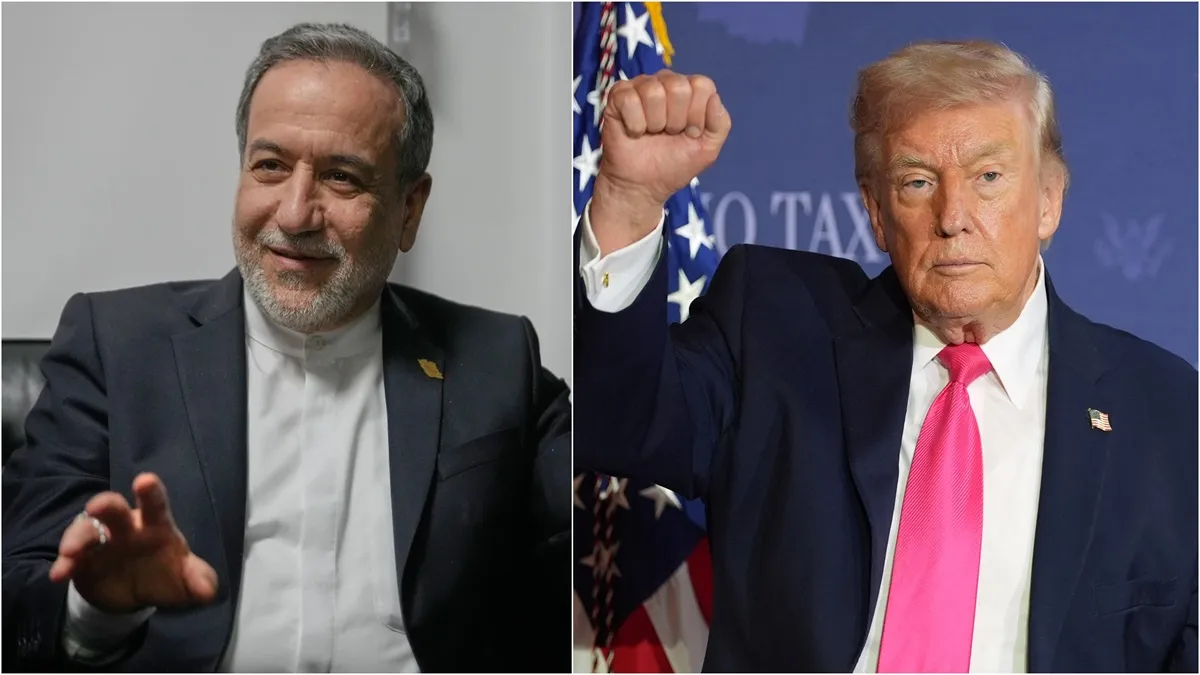
The Iran US peace proposal saga has taken a fresh turn, with Iranian state-linked media confirming that Tehran has officially received a response from the United States. The development marks a critical moment in the ongoing diplomatic standoff between the two nations, even as deep mistrust continues to define their fragile relationship.
Pakistan Plays Mediator Role
According to Iran’s foreign ministry spokesperson, the American response was delivered through Pakistan, which has stepped into a mediator role between Washington and Tehran. The reply is now reportedly being reviewed by Iranian officials, as confirmed by the Tasnim news agency.
The United States, however, has not yet officially acknowledged sending a formal response. Despite this silence on the diplomatic front, President Donald Trump reportedly told Israel’s Kan News on Sunday that the Iranian proposal was simply not acceptable in his eyes. His remarks suggest that while communication channels remain open, both sides are still far from reaching a meaningful agreement.
Inside Tehran’s 14-Point Peace Plan
Iranian state media revealed that Tehran’s latest peace proposal includes 14 detailed points aimed at de-escalating the conflict. Among the major demands are the withdrawal of US military forces from areas near Iran’s borders and an end to the naval blockade currently restricting Iranian ports. The proposal also calls for a complete halt to all hostilities, including Israel’s ongoing military offensive in Lebanon.
Tehran has additionally pushed for an agreement to be finalized within 30 days, signaling a clear sense of urgency. Iran’s plan reportedly emphasizes a focus on permanently ending the war rather than simply extending the current ceasefire arrangement, which has remained in place since early April.
No Nuclear Talks on the Table
One of the most striking elements of Iran’s position is its refusal to engage in nuclear negotiations at this stage. Iran’s Foreign Ministry spokesman Esmaeil Baghaei reportedly stated that nuclear discussions are not currently part of the proposal, even though halting Iran’s nuclear development remains a top priority for Washington.
Iran has consistently denied any intention of building a nuclear weapon, insisting that its nuclear program is purely for peaceful purposes. Still, the country stands out as the only non-nuclear-armed state in the world that has enriched uranium to levels close to weapons-grade, a fact that continues to alarm the international community.
Trump Launches “Project Freedom”
Adding another twist to the situation, Trump announced on Sunday that the United States would help countries whose ships are stranded in the Strait of Hormuz. The president dubbed this initiative “Project Freedom,” promising that American forces would safely guide vessels out of the restricted waters so they could resume normal operations.
In a strongly worded social media post, Trump warned that any interference with the operation would be met with a forceful response. While he did not specify which countries had requested help, the move signals a clear US intention to maintain control over key shipping routes during the ongoing conflict. Iran, on its part, has dramatically restricted traffic through the strait since the war began in February, and the US has continued to enforce a strict naval blockade on Iranian ports.
Trump Reviews the Iranian Plan
On Saturday, Trump confirmed via Truth Social that Washington had received Tehran’s latest proposal. While he stated he would soon review the plan, he expressed strong skepticism about its content. The president argued that Iran had not paid a high enough price for what he described as decades of harm to humanity and global stability.
Speaking later to reporters in Palm Beach, Florida, Trump revealed that he had been briefed on the broader concept of the proposal but was waiting to see the exact wording. When asked by the BBC whether military strikes inside Iran could be reignited, the president responded that it remained a possibility, especially if Tehran were to misbehave.
Trump also made it clear that the US has no intention of fully withdrawing from the conflict. He emphasized that American forces would not leave the region, stating that the goal is to resolve the issue thoroughly so that no future return would be necessary.
A Tit-for-Tat Diplomatic Exchange
Iranian state-linked sources noted that Tehran’s 14-point plan was actually crafted in response to an earlier nine-point proposal from Washington, which had suggested a two-month ceasefire. The back-and-forth nature of these proposals reflects the slow and tense pace of diplomacy between the two sides.
Meanwhile, Trump has also been pushing back on US legal requirements regarding the conflict. In a letter to members of Congress on Friday, he argued that he did not need to meet the deadline for congressional approval of the war. According to Trump, the conflict had effectively ended with the ceasefire that took effect on April 8, which he claimed paused any such legislative obligation.
He further argued that the continued blockade on Iranian ports does not amount to an active extension of the war. Under US law, a president must receive congressional approval within 60 days of notifying lawmakers about military action or otherwise halt hostilities. Friday marked exactly 60 days since Trump notified Congress of strikes against Iran.
Republican Lawmakers Voice Frustration
Pressure is now mounting from within Trump’s own Republican Party. Senator Josh Hawley of Missouri has openly called on the administration to begin pulling US forces back from the conflict, arguing that any continuation of the war would require formal congressional approval. Hawley made it clear that he wants the situation to wind down rather than escalate further.
Senator Lisa Murkowski of Alaska, a well-known Trump critic, has also raised concerns. While acknowledging that ongoing negotiations may sound promising, she pointed out that the actual events on the ground and the messaging coming from Tehran tell a different story. Murkowski warned against an abrupt US withdrawal, saying it could leave Iran’s critical capabilities untouched, but she also rejected the idea of unlimited military spending on what she described as another endless war.
The Road Ahead
As the Iran US peace proposal continues to be analyzed and debated, the situation remains highly unpredictable. With diplomatic channels open but trust still scarce, both nations stand at a crucial crossroads. Whether the coming weeks bring genuine progress or renewed conflict will depend on how each side responds to the next set of moves on this complicated geopolitical chessboard.
Author