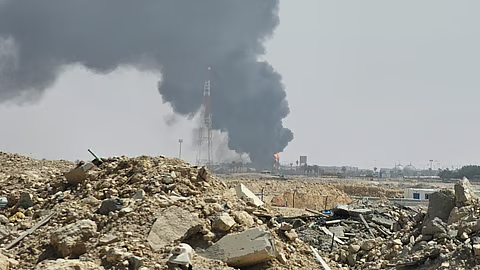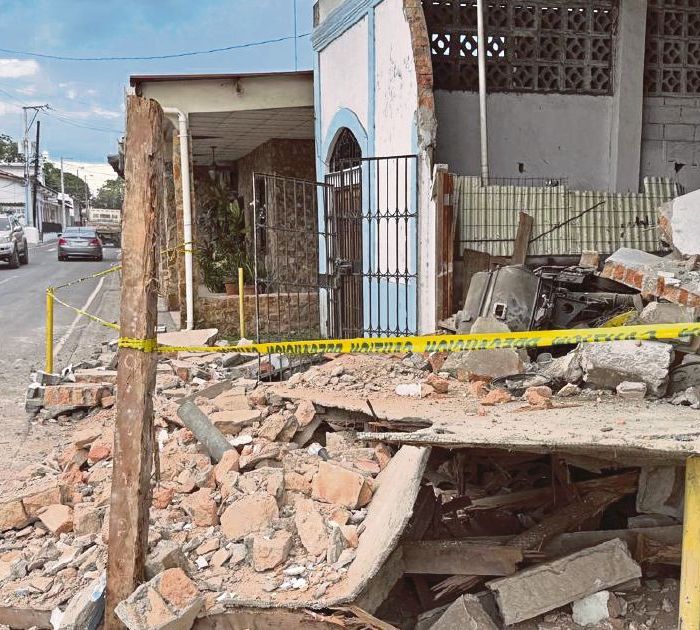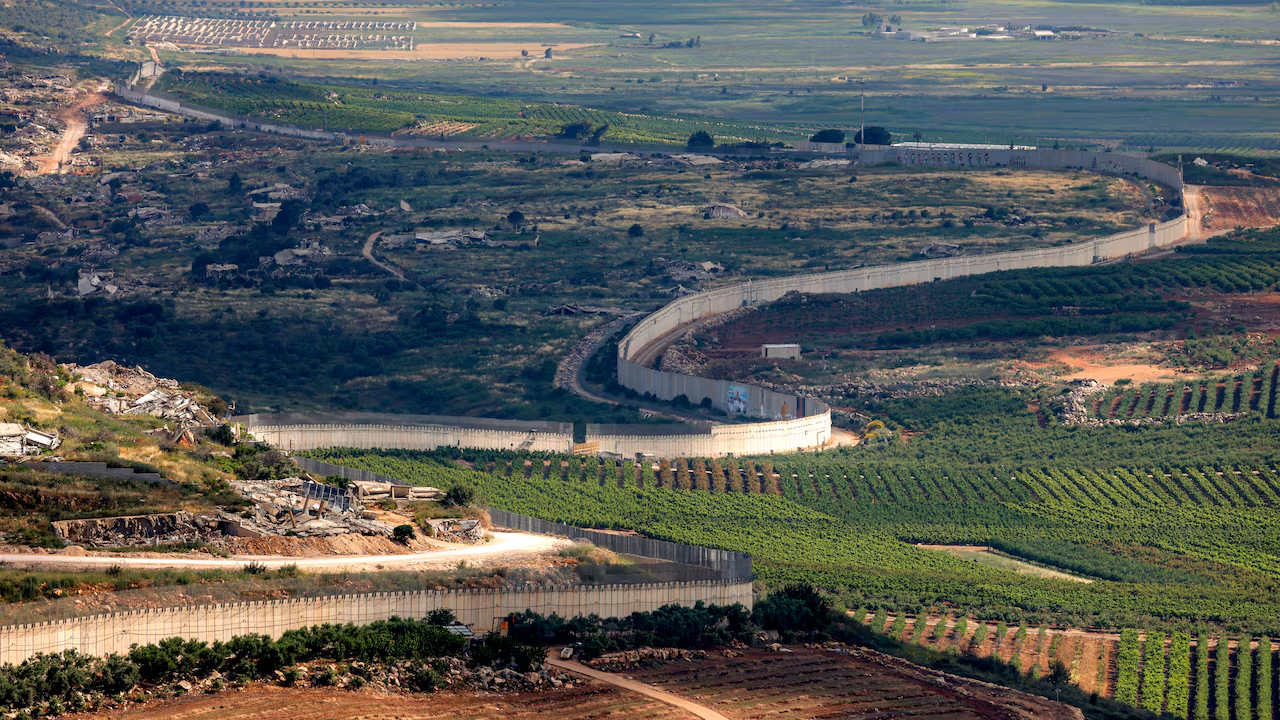
The Israel Lebanon Litani River offensive marked a significant escalation on Friday, as Israeli forces pushed north of the strategically important waterway deep inside southern Lebanon. According to Prime Minister Benjamin Netanyahu, troops advanced to positions beyond the Litani, intensifying Israel’s campaign against Hezbollah militants even as thousands more Lebanese were warned to flee their homes.
An Advance Amid Diplomacy
The timing of the military push was striking. It unfolded on the very same day that the U.S. military hosted Israeli and Lebanese defense representatives in Washington. Those talks were part of a U.S.-brokered effort to forge peace between the two countries and to disarm the Iran-backed Hezbollah.
The Washington meetings also aimed to shore up a ceasefire originally agreed upon on 16 April, an arrangement that has repeatedly failed to stop the cross-border violence. Even as diplomats gathered, Israeli warplanes continued pounding southern and eastern Lebanon, while Hezbollah fired drones and rockets into Israel.
Crossing the Litani
Israel’s military confirmed this week that it had expanded its ground operations beyond the security zone its troops have held since mid-April. During a visit to the Israel-Lebanon border on Friday, Netanyahu announced that forces had gone considerably further, crossing the Litani River, which runs east to west roughly 30 kilometers, or about 19 miles, into southern Lebanon.
Speaking to military personnel, Netanyahu declared that Israeli forces had crossed the Litani and seized controlling positions. He went on to describe operations stretching across Beirut, the Bekaa Valley, and the entire width of the front, asserting that Israel was dealing Hezbollah a crushing blow.
A Disputed Account on the Ground
The reality on the ground, however, appears more complicated than the prime minister’s confident statements suggest. Lebanese security sources offered a notably different version of events.
According to these sources, the sequence of movements looked like this:
- Israeli troops crossed the Litani near the village of Zawtar al-Sharqiyah on Thursday, but later pulled back to the southern bank of the river that same day.
- On Friday, ground forces crossed the Litani once again, though the sources characterized it as a relatively minor advance.
- This second crossing reportedly took place at an eastern point along the river, close to the Israeli border, rather than representing a deep penetration into Lebanese territory.
This gap between Israel’s framing and the Lebanese account highlights how contested the situation remains, with each side presenting the developments through its own lens.
A Devastating Human Toll
The conflict in Lebanon has become the deadliest spillover of the broader Iran war. The scale of human displacement is staggering. More than 1.2 million Lebanese have been displaced by Israeli strikes and evacuation orders since 2 March, the day Hezbollah fired at Israel in support of its ally Tehran.
In the period since, Israeli strikes have battered Lebanon’s south, east, and the capital Beirut, killing more than 3,200 people according to Lebanon’s health ministry. Israel, for its part, reports that 23 of its soldiers and four civilians have been killed over the same stretch of time.
The evacuation orders have steadily expanded the danger zone. Early in the fighting, Israel directed residents south of the Litani River to flee. Then, on Thursday, the military extended that order to people south of the Zahrani River, which sits roughly 10 kilometers north of the Litani, formally declaring the area a combat zone.
Israel’s Continued Resolve
Israeli military leadership signaled no intention of slowing down. Speaking with troops in the country’s northern command on Friday, military chief Eyal Zamir said forces would keep pursuing what he described as Hezbollah “launch squads,” along with their operators and commanders at every level.
His message was unambiguous. Wherever a threat is identified, he said, Israel will strike it.
Talks at the Pentagon
While the fighting raged, Israeli and Lebanese military officials gathered at the Pentagon to discuss implementing the ceasefire. The two sides had agreed on 15 May to extend that ceasefire by 45 days, and the Washington talks were expected to begin early in the morning.
An Israeli source briefed on the discussions indicated that the two parties were not expected to address the question of Beirut’s southern suburbs. That area, a known Hezbollah stronghold, is a place where Israel says it has largely refrained from attacks due to pressure from the United States.
A U.S. official confirmed that the Pentagon talks were proceeding as scheduled. The official emphasized that the only route to lasting peace runs through direct negotiations between the two sovereign governments.
A Two-Track Approach
In an effort to manage the complexity of the situation, Israel and Lebanon agreed to divide their U.S.-mediated talks into two separate tracks: one focused on diplomacy and the other on security. While the security discussions took place at the Pentagon, the diplomatic meetings are expected to follow next week at the State Department.
This structured approach reflects the difficulty of the moment. On one hand, military operations are intensifying, with forces crossing rivers and evacuation zones expanding. On the other, negotiators are attempting to build a framework for lasting peace.
The contrast captures the central tension of the Israel Lebanon Litani River offensive. Even as both governments sit down to talk, the guns have not fallen silent, and the human cost continues to mount. Whether the diplomatic track can ultimately outpace the military one remains the defining question in the days ahead.
Author