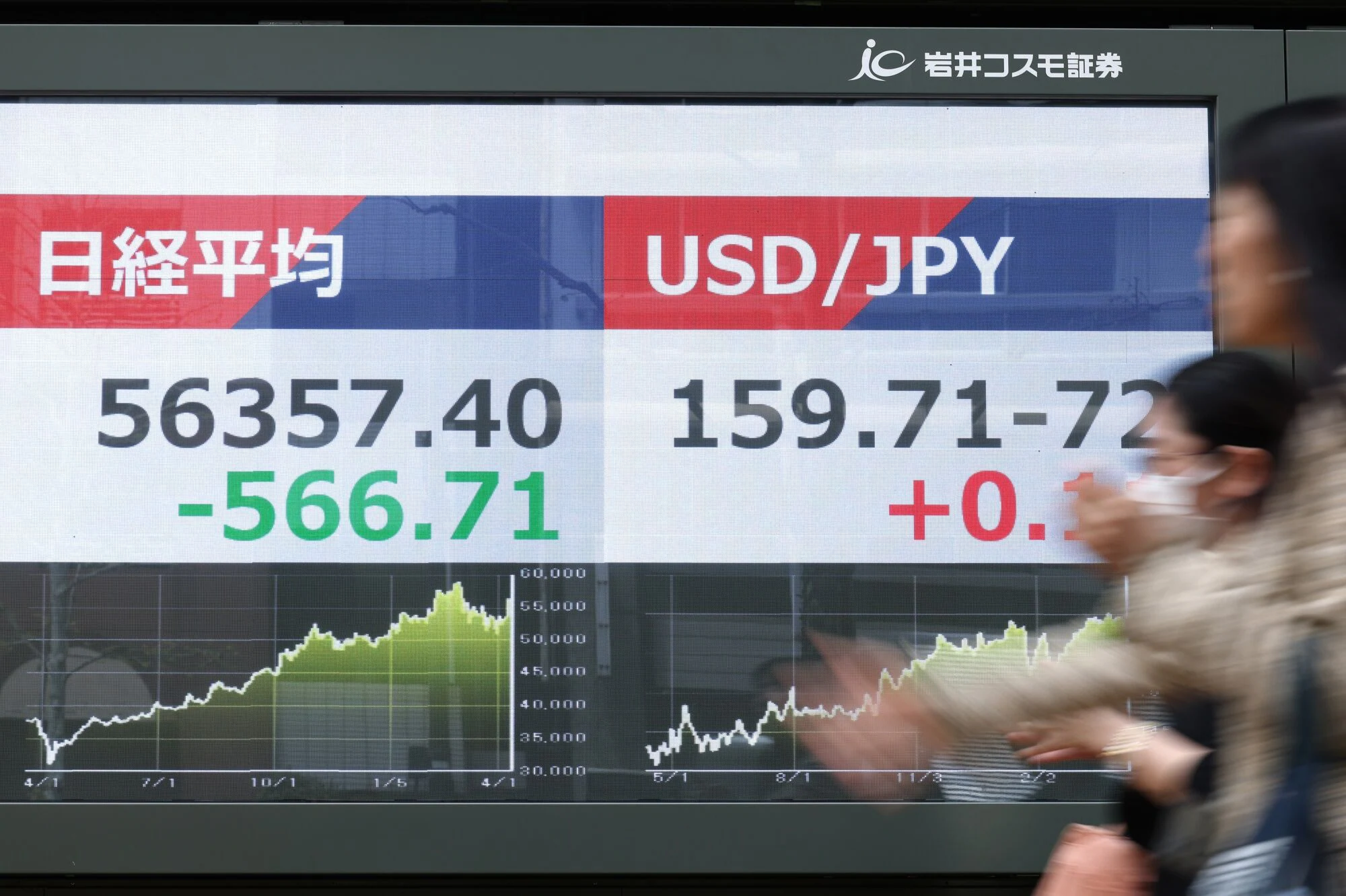
The Nikkei record high has captured global attention, as Japan’s benchmark index soared to an all-time peak and lifted Asian markets higher on Wednesday. Investors largely shrugged off mounting uncertainty over U.S.-Iran negotiations and rising tensions in the Middle East, choosing instead to focus on momentum across the region.
Japan Leads the Rally
Japan’s Nikkei 225 stole the spotlight, finishing Wednesday’s session up a robust 2.50% at 68,402.13, a fresh record. The broader Topix index also gained ground, climbing 1.83% to close at 3,996.20.
The strength in Tokyo set the tone for much of the Asia-Pacific region, signaling that investor appetite for risk remained intact despite geopolitical headwinds.
A Mixed Picture Across Asia
While Japan powered ahead, the rest of the region delivered a more uneven performance. Several markets advanced, but others slipped, reflecting a cautious mood beneath the surface optimism.
Here is how the major indices fared:
- Japan’s Nikkei 225 rose 2.50% to 68,402.13
- Australia’s S&P/ASX 200 gained 0.70% to 8,785.70
- Mainland China’s CSI 300 climbed 0.49% to 4,938.81
- Hong Kong’s Hang Seng fell about 1.62% in late trade
- India’s Nifty 50 dropped 0.83%, while the BSE Sensex lost 0.90%
South Korea’s markets, meanwhile, were closed for a holiday, leaving one of the region’s major players on the sidelines.
Australia’s Economy Disappoints
Australia provided a sobering note amid the broader gains. The country reported GDP growth of 2.5% year on year for the first three months of the year, narrowly missing economists’ expectations of 2.6%.
The softer-than-hoped figure was weighed down by several factors, including:
- Weaker household spending
- Lower government consumption
- Severe weather that disrupted the mining industry
Despite the miss, Australian stocks still managed to finish higher, suggesting investors took the data in stride.
Rising Tensions Over the Strait of Hormuz
The market gains came against a backdrop of escalating friction between Washington and Tehran. The flashpoint centers on the Strait of Hormuz, one of the world’s most critical energy chokepoints.
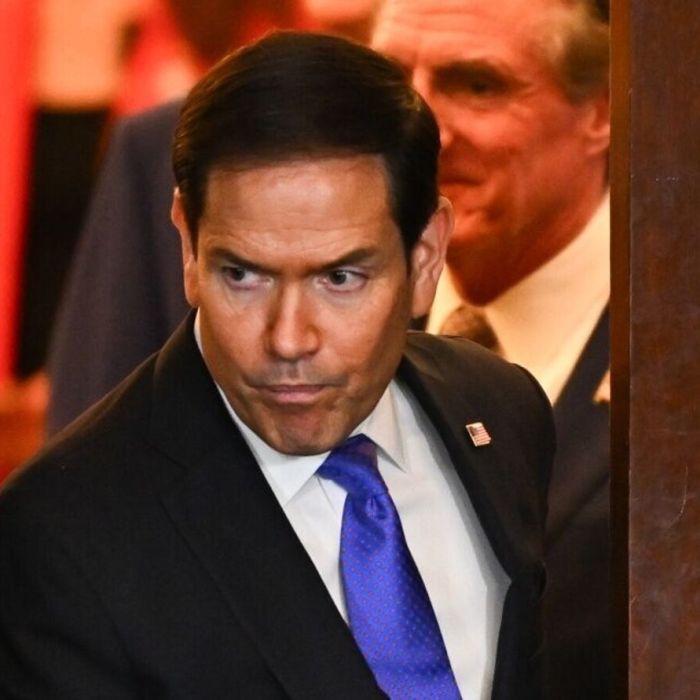
Secretary of State Marco Rubio raised alarm on Tuesday, telling the Senate Foreign Relations Committee that Iran had mined large segments of the strait. He accused Tehran of firing on commercial ships and laying mines across what he described as international waters. The appearance marked his first before Congress since the Iran war began on February 28.
A White House official told CNBC that the Pentagon had already destroyed numerous mines along with more than 40 minelaying vessels, underscoring the scale of the confrontation playing out at sea.
Oil Prices Climb
The stakes surrounding the Strait of Hormuz are enormous, particularly for global energy markets. Before the war, roughly 20% of the world’s oil supplies passed through the waterway.
That sensitivity was reflected in oil prices during Asian trading. West Texas Intermediate futures for June rose 2.05% to $95.68 per barrel, while Brent crude futures for July gained 1.89% to reach $97.81 per barrel.
The upward pressure on oil highlights how closely energy markets are tracking the situation, even as equity investors appeared more sanguine.
Wall Street Sets the Stage
The optimism in Asia followed a strong session on Wall Street. During Tuesday’s regular trading, the broad-based S&P 500 rose 0.13% to close above 7,600 for the first time ever, marking another milestone for U.S. equities.
The Dow Jones Industrial Average added 228.91 points, or 0.45%, while the Nasdaq Composite managed a slim gain of 0.03%.
Looking ahead, U.S. futures offered little direction. S&P 500 futures and Nasdaq 100 futures hovered around the flatline, as did futures tied to the Dow.
The Bigger Picture
The Nikkei record high illustrates a market dynamic in which investors are weighing strong momentum against real geopolitical risk. The key forces at play include:
- Record-setting gains in Japan lifting regional sentiment
- Rising oil prices driven by tensions over the Strait of Hormuz
- A fragile U.S.-Iran standoff with direct implications for energy markets
- Mixed economic signals, including Australia’s softer GDP reading
What Comes Next
For now, equity investors across much of Asia appear willing to look past the uncertainty surrounding the Middle East, betting that economic momentum will hold. Yet the climbing price of oil and the escalating rhetoric over the Strait of Hormuz serve as reminders that the calm could prove fragile.
As the Nikkei celebrates uncharted territory, the broader question is whether markets can sustain their optimism if tensions between Washington and Tehran continue to intensify. With a critical energy corridor hanging in the balance, the interplay between geopolitics and global markets is likely to remain front and center in the days ahead.
Author