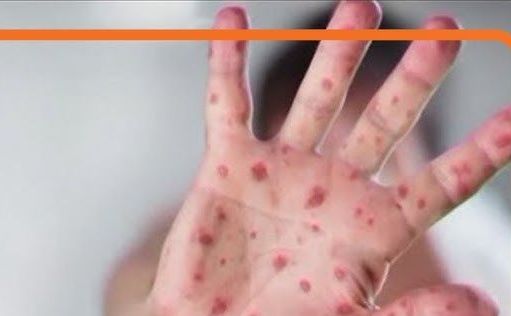
A measles exposure has been identified at a Portland hospital, adding another location to a growing list as Oregon and the country contend with the worst measles year in more than three decades.
State and county health officials say people who visited the Randall Children’s Hospital Emergency Department waiting room, located at 2801 North Gantenbein Avenue, during specific windows this week may have been exposed.
The Exposure Windows
Four separate periods have been flagged.
On Monday, August 3, between 5:07 p.m. and 7:15 p.m., and again between 6:57 p.m. and 8:57 p.m.
On Wednesday, August 5, between 10:29 a.m. and 12:34 p.m., and again between 1:32 p.m. and 3:32 p.m.
The overlapping and extended windows reflect how measles actually spreads. Virus particles remain suspended in the air for up to two hours after an infected person has left a space, which is why exposure periods extend well past the time anyone was physically present.
The Numbers Behind the Alert
Oregon has recorded at least 39 measles cases since the start of 2026, according to the Oregon Health Authority dashboard last updated August 5.
Washington state has confirmed 53 cases this year as of July 27.
Nationally, the picture is considerably worse. The CDC reported a record 2,318 cases as of July 23, making 2026 the country’s worst measles year in more than thirty years. Of those confirmed cases, 93 percent are associated with outbreaks rather than isolated infections.
That last figure matters. Outbreak-associated transmission indicates sustained spread within communities, not scattered cases imported from elsewhere.
The context makes it starker. Measles was declared eliminated in the United States in 2000, an achievement built on high MMR vaccination coverage.
How Measles Spreads
The virus travels through the air when an infected person coughs or sneezes.
The lingering airborne persistence, up to two hours in a space after the person has gone, makes measles one of the most contagious diseases known. Someone can be exposed without ever seeing the infected individual.
The contagious window is also wide. People can transmit measles for four days before a rash appears and for four days after, meaning transmission frequently occurs before anyone knows they are sick.
That combination explains why waiting rooms, which concentrate people including those already unwell, generate exposure alerts so often.
What to Watch For
Symptoms typically begin with fever, cough, runny nose and red eyes. A rash follows, starting on the face before spreading across the body.
The incubation period runs 7 to 21 days after exposure, which means anyone in the Randall waiting room during the flagged windows should monitor for symptoms through late August.
One instruction is critical: anyone developing symptoms should call their medical provider before showing up in person. Walking into a clinic or emergency room with measles is exactly how exposure events like this one begin.
Who Faces the Greatest Risk
The Oregon Health Authority identified several groups as particularly vulnerable.
Infants and children under five, adults over 20, pregnant people and anyone with a weakened immune system face elevated risk of serious complications.
In developed countries in recent years, between one and two out of every 1,000 measles cases have been fatal. Complications short of death include pneumonia, encephalitis and hospitalization.
The Prevention Picture
Two doses of the MMR vaccine are 97 percent effective at preventing measles, according to the Oregon Health Authority.
That effectiveness is what made elimination possible in 2000, and declining coverage is what has made the current outbreak year possible.
For anyone uncertain about their status, vaccination records can typically be obtained through a primary care provider or state immunization registry. Adults unsure whether they received two doses can safely receive another.
What to Do Now
If you were in that waiting room during the listed windows, the practical steps are straightforward.
Check your vaccination status and that of anyone who was with you. Note the date range for symptom monitoring. And if symptoms appear, call ahead before seeking care rather than arriving unannounced.
For those fully vaccinated, the risk is low. For infants too young for their first dose and people who cannot be vaccinated for medical reasons, this is precisely the situation that community immunity is meant to prevent.
Author