





Introduction
If you’ve been stepping outside lately wondering whether to grab a light jacket or a heavy coat, you’ve probably also noticed something else: the trees are blooming, and so is allergy season. For millions of New Yorkers, that beautiful burst of spring color comes with a less welcome companion — sneezing, itchy eyes, and a stuffy nose that just won’t quit.
Here’s everything you need to know about what’s actually triggering your symptoms this year, and what you can do about it.
Those Pretty Cherry Blossoms Aren’t the Culprit
Here’s the thing that surprises most people: the flowers you’re stopping to photograph on your morning walk aren’t what’s making you miserable. According to Shauna Moore, Director of Horticulture at the Brooklyn Botanic Garden, it’s the less glamorous trees — birch, maple, poplar, and willow — that are really to blame.
Ornamental trees like cherry blossoms produce stickier pollen that bees and insects carry from flower to flower. That means it doesn’t float through the air and into your lungs. The trees without the showy blooms, on the other hand, rely entirely on wind to spread their pollen — which is exactly how it ends up in your nose.
As Moore explains it, the less showy trees have no way to attract insects, so they depend on the wind and weather to do the work for them. And unfortunately for allergy sufferers, wind does that job very efficiently.
So What Actually Is a Seasonal Allergy?
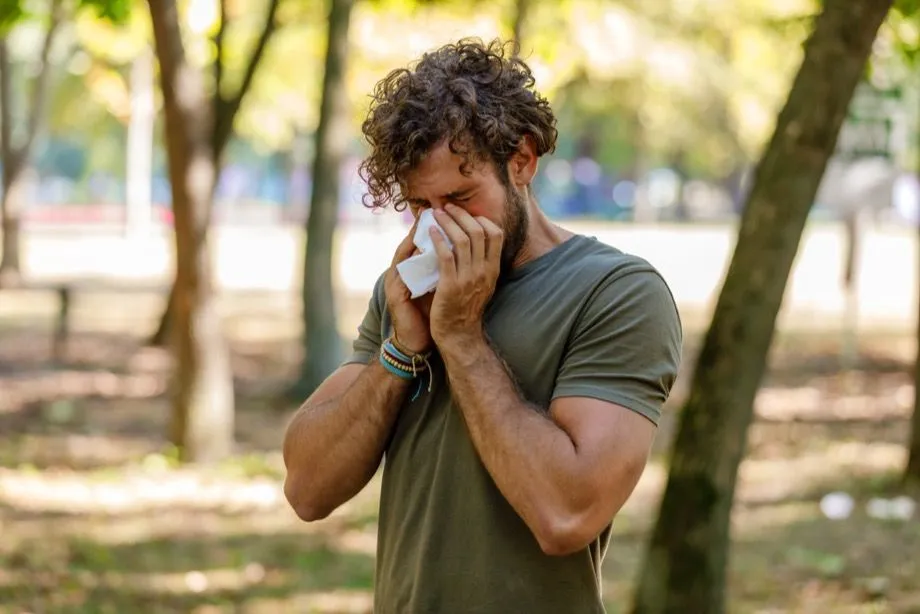
When pollen enters your nose or lungs, your immune system can mistakenly treat it like a dangerous intruder and launch a full defensive response. That’s what causes the familiar misery: sneezing, a runny nose, congestion, and red, watery eyes.
Dr. Aaron Pearlman, an otolaryngologist at NewYork-Presbyterian and Weill Cornell Medicine, notes that many people confuse allergies with the common cold, since both can hit suddenly. The key differences? Allergies tend to return around the same time every year and stick around for weeks, while a cold typically fades within a few days and may come with a fever or that heavy, flu-like feeling.
It’s also worth knowing that not everyone with seasonal allergies reacts to tree pollen specifically. Some people are more sensitive to grass pollen, which peaks in summer, while others react more to weeds in the fall. Your allergy season depends entirely on what your immune system has decided to fight.
What Can You Do About It?
The good news is that there are real, practical options for managing your symptoms.
Over-the-counter antihistamines like cetirizine (Zyrtec) or loratadine (Claritin) can provide reliable relief. Dr. Pearlman also recommends being proactive with nasal corticosteroid sprays like Flonase — using them regularly before symptoms get bad can help prevent them from taking hold in the first place.
And don’t underestimate the weather. Brett Anderson, a senior meteorologist at AccuWeather, points out that dry and windy days are when pollen counts tend to be highest. Rainy days are actually your friend — rainfall washes pollen out of the air. So if you have outdoor plans, it’s worth checking a pollen forecast alongside the regular weather.
Author