The Trump settlement fund became the flashpoint of a marathon Senate session on Thursday, as Republicans scrambled to push through funding for the president’s immigration enforcement agencies while fending off a wave of amendments. The internal disagreement exposed cracks in party unity and threatened to derail a bill that had otherwise drawn rare consensus between Donald Trump and Senate Republicans.
A Bill Tangled in Controversy
At the heart of the night’s drama sat a roughly $70 billion package designed to bankroll Immigration and Customs Enforcement (ICE) and the Border Patrol. Yet the spending measure couldn’t escape the shadow of a far more divisive issue: a $1.776 billion settlement fund that would compensate Trump allies who say the government wrongly targeted them.
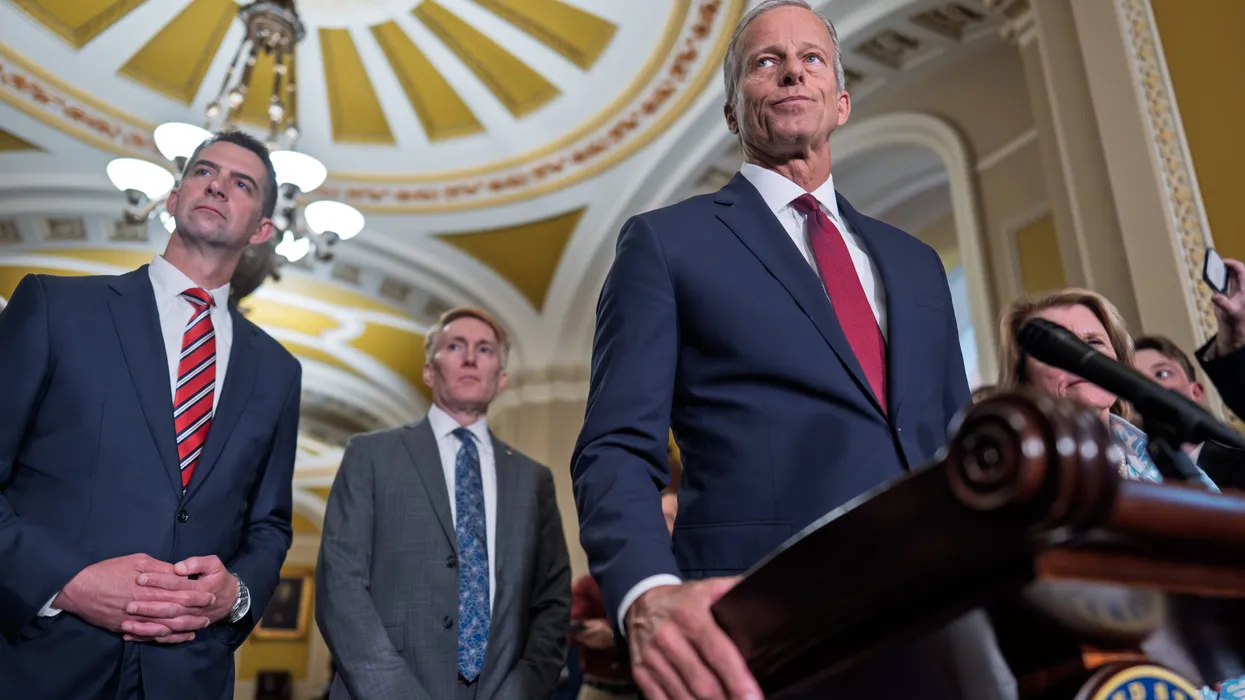
Senate Majority Leader John Thune of South Dakota struck a hopeful tone as the evening wore on, telling reporters he expected the bill to cross the finish line even though the vote count remained uncertain. For weeks, Thune had urged fellow Republicans to keep the legislation tightly focused on border and immigration funding, warning that tacking on extra provisions could sink the whole effort.
Why the Settlement Fund Divides Republicans
The money in question traces back to a settlement resolving Trump’s lawsuit against the IRS over the leak of his tax records. While the fund was meant to close that legal chapter, it has instead opened a rift inside the GOP.
Part of what unsettles lawmakers is who might benefit. Some of the payouts could potentially flow to Trump supporters involved in the January 6, 2021, attack on the Capitol, including individuals who assaulted police officers that day. For many Republicans facing voters soon, that prospect reads less like justice and more like a campaign-season liability.
Acting Attorney General Todd Blanche had already signaled this week that the fund would not move ahead. But Trump muddied the waters on Wednesday, calling the settlement “very important” and saying he wasn’t sure whether it was dead or merely paused. He suggested reporters take the question to his lawyers, leaving its fate ambiguous.
A Night of Failed Amendments
The session quickly turned into a test of endurance and loyalty. Democrats opened with an attempt to permanently bar Trump from creating the settlement fund. That first vote stayed open for roughly three hours as three Republicans, Bill Cassidy of Louisiana, Jon Husted of Ohio, and Dan Sullivan of Alaska, held back their decisions.
When the dust settled, Cassidy sided against the Democratic motion, while Husted and Sullivan, both up for reelection this year, broke ranks and voted for it.
A second proposal came from Republican Senator Thom Tillis of North Carolina. His amendment would have eliminated the settlement fund and redirected the money toward an anti-fraud account at the Department of Justice. Most Democrats opposed it, sealing its defeat, though more than ten Republicans backed the idea.
Tillis made his frustration plain. If the Justice Department has effectively shelved the fund, he argued, lawmakers should simply write that into law and spare their members from defending it all the way to Election Day. To him, leaving the issue unresolved made little political sense.
The Cassidy Wild Card
The most serious threat to the bill loomed in the form of another amendment from Cassidy, who lost his primary last month after Trump endorsed his opponent. Cassidy spent much of the day consulting the Senate parliamentarian and said he still intended to propose blocking payouts from the settlement. He also floated a second measure targeting a provision that would shield Trump and his family from IRS audits.
Several Republicans expressed sympathy for Cassidy’s goals but wanted to read the exact wording first. Senator John Cornyn, who also lost his primary after a Trump endorsement of his rival, said he agreed with the general direction. Senator John Curtis echoed that cautious support.
Thune acknowledged the stakes bluntly. Should an amendment limiting the settlement succeed, it could create serious complications once the bill reached the House, and might even trigger a White House veto of legislation Trump otherwise supports. He pointed to March, when the House flatly rejected an altered Homeland Security package and adjourned rather than accept it.
Democrats Keep Up the Pressure
Beyond the settlement fight, Democrats lined up additional votes stretching deep into the night, taking aim at Trump’s tariffs, his conflict with Iran, and his broader immigration crackdown. Senate Democratic leader Chuck Schumer framed the strategy as a way to force Republicans on record, suggesting that each successive vote would make them answer to the public.
The Long Battle Over ICE and Border Funding
The funding standoff did not begin Thursday. Democrats had blocked money for ICE and Border Patrol since early in the year, demanding policy reforms after federal agents fatally shot two protesters in January. They pushed for stronger identification requirements for federal officers and greater reliance on judicial warrants, among other conditions.
Following the shootings of Renee Good and Alex Pretti in Minneapolis, Trump agreed to separate the Homeland Security funding from a larger spending bill that eventually became law. But cross-party talks collapsed, and funding for the department lapsed in mid-February with no deal on enforcement tactics.
Congress later approved the bulk of Homeland Security funding in late April with Democratic backing. ICE and Border Patrol, however, were left out. In response, Republicans launched a fresh push to lock in three years of funding for those agencies, enough to last through the end of Trump’s term, using a procedural maneuver that sidesteps the filibuster and requires no Democratic votes.
As the night ground on, Thune offered the only certainty available: the answer, he said, would come soon enough.
Author