Strait of Hormuz Closure Could Cost Oil Market 100 Million Barrels Weekly, Warns Aramco CEO
Strait of Hormuz Closure is rapidly becoming one of the most serious threats facing the global energy market today. Saudi Aramco’s CEO Amin Nasser has issued a stark warning that if the disruption in this critical shipping passage continues at its current pace, the world could lose around 100 million barrels of oil every single week.
For an industry that powers everything from transportation to manufacturing, that’s a staggering shortfall, and the implications could ripple far beyond the Persian Gulf.
A Critical Chokepoint Under Pressure
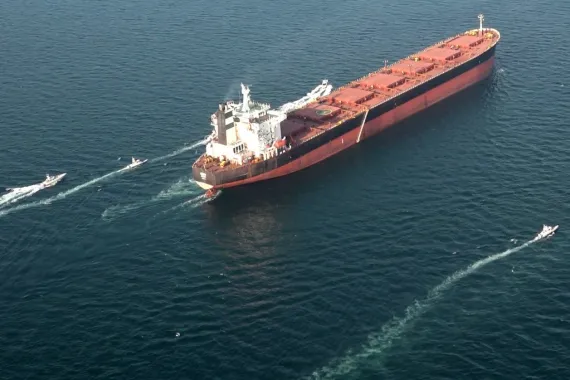
The Strait of Hormuz isn’t just another waterway. It’s one of the most strategically important shipping lanes on the planet, serving as the gateway through which a huge share of the world’s oil and gas exports pass each day. When ships can’t move through it freely, the consequences are immediate and global.
Speaking on Monday from Dubai, Nasser made it clear that the current situation is far from normal. With the strait effectively closed or operating at heavily restricted capacity, supply chains are buckling and oil deliveries are missing their targets in markets worldwide.
What 100 Million Barrels Really Means
To put that weekly loss into perspective, 100 million barrels is enough oil to fuel entire countries for weeks at a time. Losing that volume every seven days creates a domino effect across the global economy:
- Refineries struggle to secure enough crude to operate at full capacity
- Fuel prices climb at gas stations across multiple continents
- Airlines, shipping companies, and logistics firms face higher operating costs
- Manufacturers reliant on petrochemicals see their input costs rise
This isn’t a slow leak in the system. It’s a major hemorrhage that can reshape energy economics within weeks.
Demand Rationing Becomes the New Reality
Nasser also pointed out that consumers and businesses are already adjusting their behavior in response to the shortage. He said demand rationing is expected to continue as long as supply remains constrained through the Strait of Hormuz.
In simple terms, demand rationing means people and companies are using less oil, not necessarily because they want to, but because supply limitations and high prices force them to. That could mean:
- Industrial operations scaling back production
- Households cutting down on non-essential travel
- Governments tapping strategic petroleum reserves
- Power plants switching to alternative energy sources where possible
While these adjustments help balance the books in the short term, they also slow economic activity and add pressure to already strained budgets.
A Recovery Waiting in the Wings
Despite the gloomy current outlook, Nasser struck a hopeful note about what could happen once the disruption ends. He said that if normal trade and shipping resume through the strait, the world should expect a very strong rebound in oil demand growth.
That makes sense when you think about it. A lot of pent-up demand is building up right now. Once the supply taps reopen, industries that have been holding back will likely rush to restock, refill, and ramp up operations. That kind of surge could energize energy markets and support a wider economic recovery.
Why the World Is Watching So Closely
The Strait of Hormuz situation has captured global attention for good reason. Roughly one-fifth of the world’s oil consumption flows through this narrow stretch of water. Any prolonged closure affects not just oil-importing nations like China, India, Japan, and South Korea, but also the broader global economy that depends on stable energy prices.
Aramco, being the world’s largest oil company, sits at the center of this story. When its CEO speaks about supply disruptions, markets listen carefully because his words can move prices and shape policy decisions across continents.
Pressure on Producers and Consumers Alike
For oil-producing nations, the closure presents a frustrating paradox. Even with high prices, they can’t fully capitalize because they can’t physically move their product to buyers. Tankers are stranded, alternative routes are limited, and insurance costs for shipping through nearby regions have jumped dramatically.
For consumers, the impact is felt in everyday life. Higher prices at the pump are just the beginning. Transportation costs raise the price of groceries, online deliveries, and consumer goods. Heating and electricity bills can climb too, especially in regions that rely on oil-based power generation.
What Comes Next
The big question now is how long this situation will last. Diplomatic efforts to resolve the underlying tensions in the region are ongoing, but progress has been slow and unpredictable. Every day the strait remains effectively closed adds to the global oil deficit and tightens the squeeze on consumers and businesses.
Energy analysts are watching for several key signals in the weeks ahead:
- Any breakthrough in peace negotiations that could reopen the strait
- Decisions by major oil-producing nations to boost output through alternative routes
- Movements in strategic petroleum reserves by countries like the United States
- Shifts in demand from major importers as they adjust their energy strategies
The Bottom Line
The warning from Aramco’s chief is a wake-up call for anyone paying attention to global markets. Losing 100 million barrels a week is not a sustainable situation, and the longer the Strait of Hormuz remains disrupted, the harder it will be for the world economy to absorb the shock.
At the same time, Nasser’s optimism about a strong demand rebound once shipping resumes offers a glimpse of light at the end of the tunnel. The oil market has survived crises before, and the underlying demand for energy hasn’t disappeared. It’s simply waiting for the bottleneck to clear.
For now, the world watches the Strait of Hormuz and hopes that diplomacy moves faster than the clock on those vanishing barrels.
Author