US Military Presence in Europe Faces Major Shake-Up as Trump Announces Troop Drawdown
The US military presence in Europe is back in the spotlight after President Donald Trump announced plans to significantly reduce the number of American troops stationed across the continent, particularly in Germany. The decision marks one of the most dramatic shifts in US defense policy in Europe in decades and has raised fresh questions about the future of NATO, transatlantic relations, and global security.
A Long-Standing Strategic Commitment
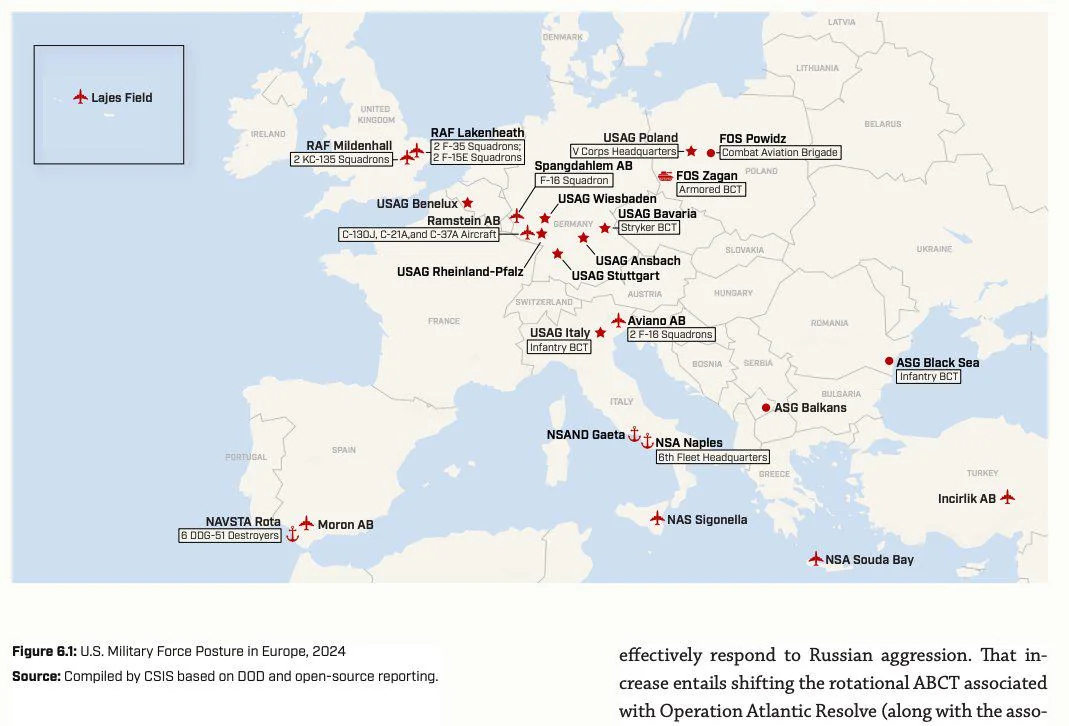
For decades, the United States has maintained between 80,000 and 100,000 troops across Europe. Germany alone hosts more than 36,000 American service members, making it the largest base of US military operations on the continent. On Friday, the Pentagon confirmed that it would withdraw 5,000 troops from Germany, and the very next day, President Trump made it clear he intended to go even further with future cuts.
The American military footprint in Europe traces its origins to the end of World War II, when US forces played a central role in stabilizing and rebuilding the war-torn continent. During the Cold War, that presence evolved into a strategic shield against Soviet expansion. Even after the fall of the Soviet Union, US troops continued to serve as a powerful symbol of unity, deterrence, and shared defense with European allies.
Why the Troops Are Still There
While the global landscape has changed dramatically over the years, US forces in Europe still play a critical role in operations far beyond the continent itself. American military bases in Europe have supported missions in the Arctic, Africa, and the Middle East. They have also served as launching points for operations connected to ongoing global conflicts, including the current confrontation with Iran.
This widespread strategic value has long made the American military presence in Europe a cornerstone of US foreign policy. However, Trump’s recent decisions signal a major break from years of bipartisan consensus that prioritized strong transatlantic ties.
Trump Breaks From Tradition
President Trump has openly criticized many of America’s European NATO allies, accusing them of failing to contribute fairly to the alliance’s defense. His latest move to reduce US troop levels in Germany comes amid rising tensions with German Chancellor Friedrich Merz, who recently said that the United States was being humiliated by Iran. Merz also accused Washington of lacking a clear long-term strategy for dealing with global threats.
These public disagreements have only added fuel to the already heated discussions surrounding the future of US-European defense cooperation. Trump has long argued that European countries should bear more responsibility for their own defense and that the US should focus its military resources elsewhere.
A Closer Look at EUCOM
The United States European Command, commonly known as EUCOM, was established in 1947 and remains one of 11 combat commands operating under the US Department of Defense. EUCOM covers nearly 50 countries and territories, providing strategic oversight, military training, and operational support across the region.
In addition to the 36,000 American troops stationed in Germany, more than 12,000 are based in Italy, and around 10,000 are deployed in the United Kingdom, according to Pentagon figures from December. These three countries together account for the bulk of the US military’s European presence.
Few Details on the Drawdown
So far, the Pentagon has shared limited details about exactly which troops or operations will be impacted by the new drawdown. While the announcement of 5,000 troop reductions from Germany has sparked significant attention, the lack of specifics has left both US military officials and European allies scrambling to understand what comes next.
Trump’s statement that the cuts could go much further has only increased uncertainty. Defense analysts believe the move could affect not just troop numbers but also the future of joint training exercises, base operations, and rapid response capabilities across the continent.
The Russia-Ukraine Factor
The current US troop levels in Europe were significantly increased after Russia launched its full-scale invasion of Ukraine four years ago. The buildup was meant to reinforce NATO’s eastern flank and signal solidarity with European allies in the face of growing Russian aggression. However, both NATO and key US allies, including Germany, have expected for over a year that these reinforcements would eventually be the first to leave.
The decision to start with Germany aligns with these expectations but also raises concerns about the timing of the withdrawal. With the war in Ukraine still ongoing and Russia continuing to pose a serious threat, many experts argue that pulling back US forces now sends the wrong signal to both allies and adversaries.
Strategic Implications for NATO
The reduction of American forces in Europe could have far-reaching consequences for NATO. The alliance has long relied on US leadership and military support to maintain stability across the region. Any major drawdown could weaken NATO’s ability to deter potential threats, particularly from Russia, while also creating gaps in joint operational planning.
European nations, especially those bordering Russia or located in strategically sensitive regions, may now feel pressure to invest more heavily in their own defense capabilities. Countries like Poland, the Baltic states, and Romania have already significantly increased their defense budgets in recent years and may need to do even more to fill the void left by reduced US support.
Concerns Among European Allies
Many European leaders have expressed concern over the latest US announcement. Some view the troop reduction as a betrayal of decades of close cooperation, while others see it as a wake-up call to take greater responsibility for their own security. The growing rift between Washington and Berlin, in particular, has highlighted just how much the relationship between the two long-standing allies has shifted under Trump’s leadership.
While some European nations have praised Trump’s push for greater defense spending across NATO, others worry that the abrupt nature of the withdrawal could create security vulnerabilities that adversaries may seek to exploit.
Looking Ahead
The future of the US military presence in Europe remains uncertain. While the initial drawdown of 5,000 troops from Germany may seem modest in the context of the broader American footprint, Trump’s signals of even larger reductions have left both military leaders and policymakers preparing for a much larger transformation.
For European nations, the message is clear. The era of unconditional American security guarantees may be coming to an end, replaced by a new model where Europe takes on a much greater share of its own defense burden. Whether this shift leads to a stronger, more independent Europe or weakens the broader transatlantic alliance will depend on how leaders on both sides of the Atlantic respond in the months and years ahead.
Final Thoughts
The US military presence in Europe has been a defining feature of global security since the end of World War II. With Trump now pushing for major reductions in troop deployments, the world is witnessing a historic moment that could reshape the future of NATO, US-European relations, and the broader global balance of power. As the details of the drawdown continue to unfold, all eyes will be on Washington, Berlin, and Brussels to see how this critical chapter in transatlantic history develops.
Author