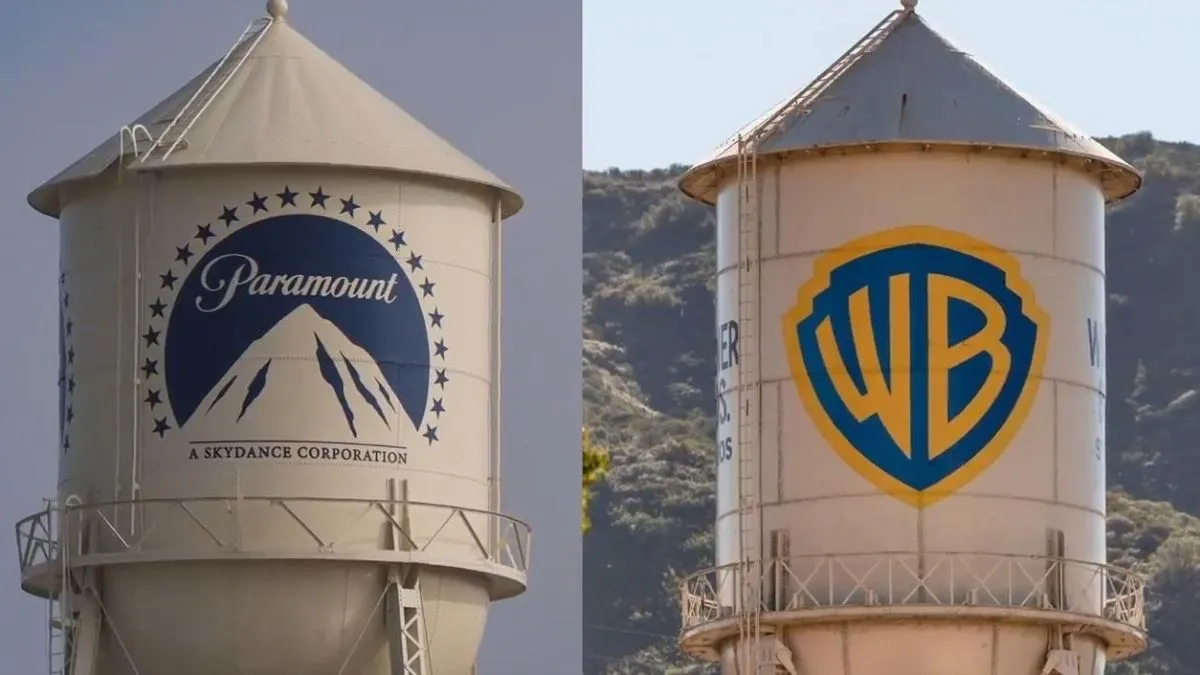
The Paramount Warner Bros merger has been voluntarily frozen until June at the latest, and the decision came not from a judge but from Paramount’s own lawyers — a move that surprised almost everyone watching the case and reshaped the timeline for one of the largest media deals ever attempted.
The proposal landed on a Thursday evening call around 9 p.m. Jeffrey Kessler, co-executive chairman of the law firm Winston Taylor and the top trial lawyer Paramount retained for the transaction, told the state attorneys general suing to block the deal that his client wanted to skip the preliminary skirmishing entirely and head straight to trial.
Why Surrender Ground to Move Faster
The logic sounds contradictory until the alternative is examined.
Paramount, run by tech scion David Ellison and backed financially by his father, Oracle co-founder Larry Ellison, was facing a grinding sequence of procedural fights. States sued in mid-July on antitrust grounds, and both sides appeared set to spend weeks arguing over motions and scheduling before anyone reached the substance.
According to people familiar with the matter, Paramount concluded that a trial was actually the quickest route to closing. The company had already absorbed early defeats, including two court-imposed temporary halts on the acquisition.
Eric Talley, a Columbia Law School professor specializing in corporate law and governance, read the move as an acknowledgment of reality. The parties saw where things were heading, he said, and rather than continuing to fight over the immediate procedural questions, they raised a very small white flag and agreed to delay the deal themselves.
What Sits in Limbo
The pause leaves major American media institutions suspended without resolution.
CNN, owned by Warner Bros., faces an uncertain future. So does HBO, a cornerstone of the company’s streaming operation. The Warner Bros. film studio and its enormous library of iconic titles remain in the same holding pattern.
For employees across those businesses, months of additional uncertainty is the practical result.
The Antitrust Argument
The states’ lawsuit represents one of the final obstacles remaining after the Justice Department declined to challenge the acquisition last month.
Their case is that combining Paramount with Warner Bros. would concentrate excessive control over theatrical releases, particularly blockbusters, which generate a disproportionate share of studio revenue.
Paramount’s counterargument is about market definition. The states, in its telling, are looking at the industry through an outdated lens that ignores the dominance of YouTube and Netflix — companies that compete for the same attention and spending without releasing films in theaters at all.
That disagreement over what market is actually being measured will likely decide the case.
How the Position Shifted in Two Weeks
Paramount’s willingness to wait until June marks a substantial reversal.
On July 13, the state attorneys general asked the company to voluntarily suspend the deal during litigation. Paramount refused to freeze anything past September.
The states then went to court and won a short pause, with Judge Araceli Martínez-Olguín of the U.S. District Court for the Northern District of California finding they had made a strong showing that the transaction would harm competition.
That left Paramount facing a preliminary injunction fight — an indefinite freeze while the judge considered the case. The company pushed for an extensive hearing in mid-to-late August and repeatedly sought permission to call witnesses.
The states objected in a July 15 filing, calling that timeline rushed and patently unfair because it left their lawyers little opportunity to develop evidence. A full presentation with live testimony, they argued, belonged at trial rather than at a preliminary hearing.
On Monday, the judge scheduled the injunction hearing for August 3 — earlier than Paramount wanted — without indicating whether witnesses would be permitted. On Thursday, she directed Paramount, the states and the Writers Guild to meet and propose a schedule, asking for an update the following day and offering no signal about which way she was leaning.
Hours later, Kessler made his proposal.
Avoiding the Optics of Another Loss
Bill Kovacic, a former Republican chairman of the Federal Trade Commission, identified a strategic calculation behind the timing. Had the judge imposed an indefinite pause, it would have created the appearance of yet another setback for the merger.
By skipping directly to trial, Paramount can assemble its strongest case. One explanation, Kovacic said, is that the company wants time to construct its argument and tell its story as completely and favorably as possible. The states, he noted, gain the same advantage.
Two people familiar with the case said Paramount’s willingness to wait until the deal’s June expiration was intended to signal cooperation to the judge. The company nonetheless intends to move as fast as the court allows.
The Price of Waiting
Delay is expensive here, and the numbers explain Paramount’s urgency.
To secure approval for the transaction, Paramount agreed to pay Warner Bros. Discovery shareholders $650 million for every quarter the deal fails to close, starting in October. If regulators ultimately kill it, Paramount owes a $7 billion breakup fee.
That structure means every month of litigation carries a direct, quantifiable cost — and it clarifies why the company would rather fight one large battle than a series of small ones.
Warner Bros. Discovery has largely deferred to Paramount’s handling of the legal strategy, according to two people familiar with the matter. A spokesman declined to comment.
Both Sides Claim Victory
Predictably, each camp presented the pause as a win.
Paramount called it a significant win in a statement, framing it as establishing a direct path to trial. California Attorney General Rob Bonta described the development as great news and said the states were eager to continue making their case.
Opposition beyond the state attorneys general has also been building. The Writers Guild of America has challenged the merger on the grounds that it will damage screenwriters — one of several signs that resistance within the entertainment industry itself has hardened.
The Next Fight Is About the Calendar
Setting a trial date is now the immediate battleground, and the two sides are nowhere near agreement.
Paramount and the states agreed to submit proposed schedules next Friday. According to two people familiar with the matter, Paramount is aiming for a November court date. The states want to go to trial sometime next year.
That gap of several months is not a technicality. Every quarter of delay costs Paramount $650 million, which means the scheduling dispute is itself a form of leverage — and the judge’s decision on timing may shape the outcome as much as anything argued at trial.
Author
-
Lucienne Albrecht is Luxe Chronicle’s wealth and lifestyle editor, celebrated for her elegant perspective on finance, legacy, and global luxury culture. With a flair for blending sophistication with insight, she brings a distinctly feminine voice to the world of high society and wealth.