The renewed conflict between the United States and Iran has sent oil prices surging, threatening to unravel a fragile ceasefire that had recently brought some calm to global energy markets. Brent crude climbed above $76 a barrel for the first time in two weeks, reversing a decline that had returned prices to their pre-war levels.
A Sharp Reversal in the Markets
On Wednesday, Brent crude, the main international benchmark, rose by more than 3 percent, wiping out a slide that had brought prices back down before the latest escalation. Brent futures for September stood at $76.48 a barrel as of 06:30 GMT, marking the highest level since June 23.
The turmoil extended beyond oil. Asian stock markets delivered a mixed performance, with sharp losses recorded in Tokyo and Seoul, while Taipei and Hong Kong posted gains. The uneven reaction reflected the uncertainty rippling through global markets in response to the sudden flare-up.
What Triggered the Spike
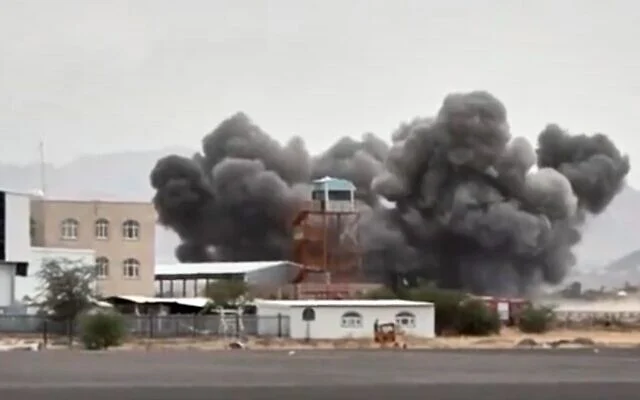
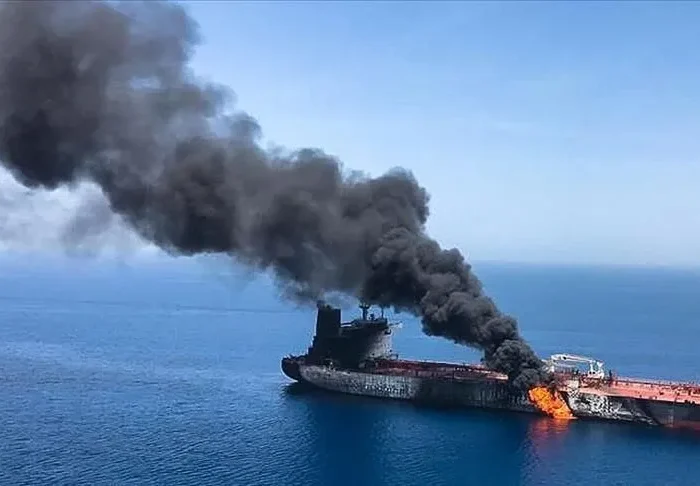
The renewed volatility followed a series of dramatic developments. The United States launched attacks on Iran and revoked a temporary waiver of sanctions on Iranian oil, both moves coming after attacks on three commercial vessels in the Strait of Hormuz.
Officials from the US, Qatar, and Saudi Arabia placed the blame for those vessel attacks squarely on Iran. US Central Command confirmed the military response, stating on social media that it had begun launching a series of powerful strikes against Iran to impose heavy costs for targeting and attacking commercial shipping crewed by innocent civilians in an international waterway.
Iran, for its part, has not directly claimed responsibility for the attacks on the ships. However, Tehran has repeatedly warned vessels against attempting to pass through the strait on routes it has not approved, keeping tensions in the waterway high.
Iran’s Response and a Disputed Agreement
Iranian officials pushed back forcefully against the American measures. Deputy Foreign Minister Kazem Gharibabadi said Tehran would take decisive actions to protect its interests and security in response to the revocation of the sanctions waiver. He characterized the move as a blatant violation of a memorandum of understanding, or MoU, that Washington and Tehran had signed on June 17.
The dispute highlights deeper, unresolved disagreements between the two nations. Tony Sycamore, a market analyst at IG Australia, noted that the language of the MoU was deliberately vague when it came to control of the strait and the management of traffic through it.
According to Sycamore, the fundamental question of whether the Strait of Hormuz constitutes an international waterway or partly falls within Iran’s territorial waters was never fully settled. That ambiguity, he suggested, lies at the heart of the current standoff.
Uncertainty Ahead
Analysts remain divided on what comes next. Sycamore cautioned that it is still unclear whether the US strikes will bring a swift end to the latest escalation or whether Iran will choose to keep exerting pressure over the strait through actions that stop short of triggering a broader conflict.
Either way, he warned, the situation is likely to keep markets on edge. He added that the developments suggest crude oil prices have found a floor for now, meaning further declines may be limited while tensions persist.
The Sanctions Reversal
The military action was accompanied by a significant economic move. Late on Tuesday, the US Department of the Treasury revoked its 60-day waiver on sanctions targeting Iranian oil.
The Treasury Department had authorized the sale of Iranian oil until August 21 as part of broader negotiations with Tehran. Under the new order, however, such transactions will no longer be permitted after 12:01 a.m. EDT on July 17. The order also rescinds authorization for any new transactions, including purchases or loading, effective after Tuesday.
Prices Expected to Stay Elevated
Looking ahead, some experts anticipate that oil prices will remain high. Saul Kavonic, head of energy research at MST Financial, said he expects prices to stay elevated as dangerous conditions persist in the strait and as the release of emergency oil stockpiles begins to wind down.
Kavonic offered a stark assessment of Iran’s intentions. He argued that Iran fully intends to cement its control over the Strait of Hormuz in the coming weeks, a prospect he described as unacceptable to the US, many Gulf states, and global customers. As a result, he warned that passage through the strait could remain below 50 percent of pre-war levels for many months, punctuated by periodic flare-ups in hostilities.
The Bigger Picture
The Strait of Hormuz sits at the center of this crisis for good reason. As one of the world’s most critical chokepoints for global oil shipments, any disruption there sends immediate shockwaves through energy markets, as the latest price surge clearly demonstrates.
For now, the combination of military strikes, revoked sanctions waivers, and hardening rhetoric on both sides has injected fresh uncertainty into an already tense situation. Whether the recent escalation proves to be a brief flare-up or the beginning of a more prolonged confrontation remains to be seen. What is clear is that as long as the fate of the Strait of Hormuz hangs in the balance, global oil prices, and the markets that depend on them, are likely to remain volatile.
Author