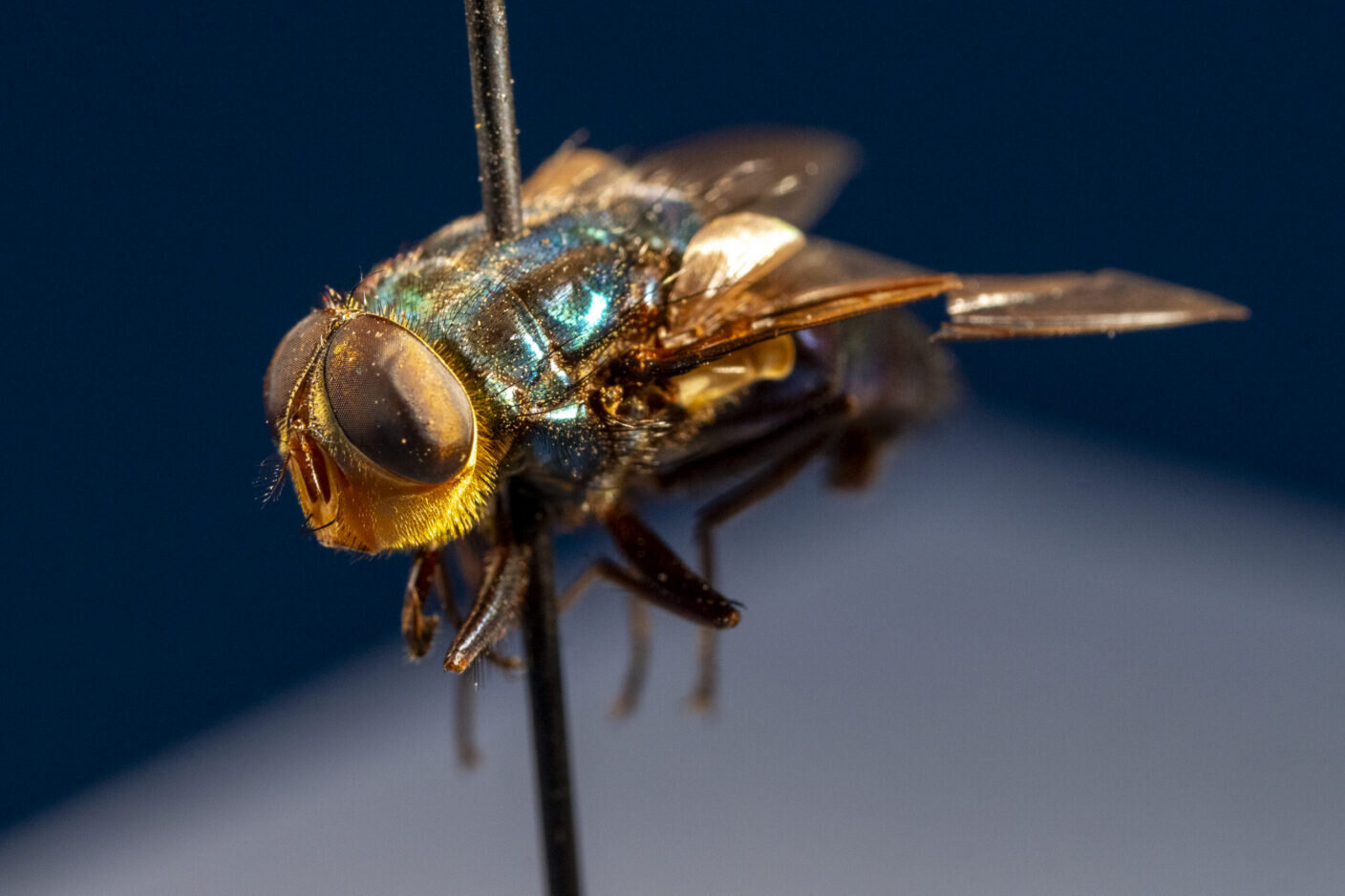
How to Protect Your Pets From the New World Screwworm Fly
The return of the New World screwworm fly has put pet owners across parts of Texas and New Mexico on alert. With two confirmed cases in dogs among more than 30 total instances in the two states, veterinarians and humane societies are urging animal owners to stay vigilant. This flesh-eating parasite poses a real danger to pets, but understanding how it works and knowing the warning signs can help keep your animals safe.
A Parasite Returns After Decades
The screwworm reappeared in U.S. cattle in June, more than 50 years after it had been largely wiped out from the country. Despite its name, the pest is actually the larvae of the New World screwworm fly.
What makes it so dangerous is its feeding behavior. Unlike the larvae of most fly species, which consume dead material, these larvae feed on living flesh and fluids. That distinction is what makes an infestation so painful and potentially deadly.
Any Mammal Is at Risk
The fly has been steadily migrating north, moving up from Panama beginning in 2024 and through Mexico in 2025. Agriculture officials warn that it threatens the $113 billion U.S. cattle industry, but the danger isn’t limited to livestock. The larvae can hatch and breed in any mammal, including wildlife, dogs, cats, and occasionally even humans.
The problem begins when a female fly lays her eggs in open wounds or mucus. Once the eggs hatch, the larvae feed for about a week before maturing, dropping to the ground, and continuing their development into adult flies.
Certain animals face a higher risk than others. According to the American Veterinary Medical Association, the most vulnerable include:
- Newborn animals.
- Animals with open wounds.
- Pets that have recently undergone surgery or other medical procedures.
Even something as small as a tick bite can host an infestation, according to the executive director of the Houston Humane Society shelter.
Warning Signs to Watch For
Pet owners in affected areas, which so far include southern and southwestern Texas and southeastern New Mexico, should keep a close eye on their animals and regularly examine them for wounds, cuts, and bites.
The most telling signs of a possible infestation include:
- Visible maggots or any movement within a wound.
- A foul or unusually bad smell.
- Restlessness or anxiety in the animal.
- Hyper-fixation on looking at or chewing a specific area of the body.
Any one of these symptoms is reason enough to see a veterinarian right away. An affected animal is likely experiencing significant pain, which can lead to death from shock. The larvae can also prove fatal if they migrate into vital organs or cause infections that turn deadly.
Flea and Tick Medications Can Help
There’s encouraging news for prevention. Humane society officials and veterinarians report that shelters across Texas are working to prevent infestations by giving animals prescription flea and tick medications, and they recommend pet owners do the same.
According to a veterinarian at the shelter Austin Pets Alive!, these products work because their chemical compositions kill the larval stages of the flies. As the larvae ingest blood and tissue treated with the medication, they die off.
Just as importantly, infestations are treatable when caught early. Veterinarians can help affected animals recover if pet owners reach out quickly, and treatment may include antibiotics. As the veterinarian emphasized, the condition is only fatal if left untreated.
A Renewed Eradication Effort
The New World screwworm fly is a tropical species, and decades ago it would naturally die off each year when colder fall and winter weather arrived. This time, however, state and U.S. Department of Agriculture officials aren’t waiting for the seasons to change.
They’ve revived an eradication method that proved successful in the past: breeding sterile male flies and releasing them into the wild. The strategy works because the female New World screwworm fly mates only once during her monthslong life. If her mate is sterile, her eggs won’t hatch, causing the local population to shrink and eventually disappear.
To scale up this effort, significant investments are underway:
- For years, the only facility breeding sterile flies in the Western Hemisphere was located in Panama.
- The USDA invested $21 million to convert a site in southern Mexico from breeding fruit flies to producing screwworm flies.
- The agency also plans to spend $750 million on a brand-new fly factory in Texas, set to open next year.
The Bottom Line
The New World screwworm fly represents a serious but manageable threat to pets, especially in the affected regions of Texas and New Mexico. By keeping animals on prescription flea and tick medication, checking regularly for wounds and warning signs, and acting quickly at the first hint of infestation, pet owners can dramatically reduce the risk. With eradication efforts already ramping up, there’s reason for optimism, but for now, vigilance remains the best protection for your animals.
Author