Ukraine’s Drone War Is Rewriting Modern Combat, and America Should Be Paying Attention
Ukraine drone warfare has quietly become one of the most significant military developments of the modern era, reshaping how wars are fought and exposing weaknesses that extend far beyond the battlefield. While Russia continues to rely on crude terror tactics, Ukraine has embraced a smarter, technology-driven approach, and the results are impossible to ignore. Perhaps most striking of all, the lessons emerging from this conflict reveal that the United States may be just as unprepared as Russia.
Terror From the Sky, but Little Strategic Gain
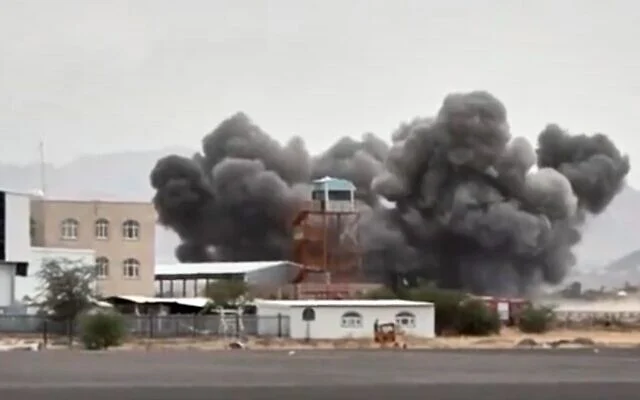
Russian missiles and Iranian-made drones continue to strike Ukrainian hospitals and apartment buildings on a regular basis. These are not careful, precision attacks on military installations. Instead, they are inaccurate, indiscriminate strikes meant to terrorize civilians and crush morale.
In many ways, they echo the past. The Nazi V-1 and V-2 “vengeance weapons” of 1944 and 1945 killed thousands in London and Antwerp, yet accomplished almost nothing militarily. The Luftwaffe’s Blitz on British cities in 1940 followed the same pattern: bombs rained down, but British determination only grew stronger.
The same story is unfolding in Ukraine today. Rather than breaking the population, each attack on civilian targets seems to deepen Ukrainian resolve to keep fighting.
Ukraine Seizes the Initiative
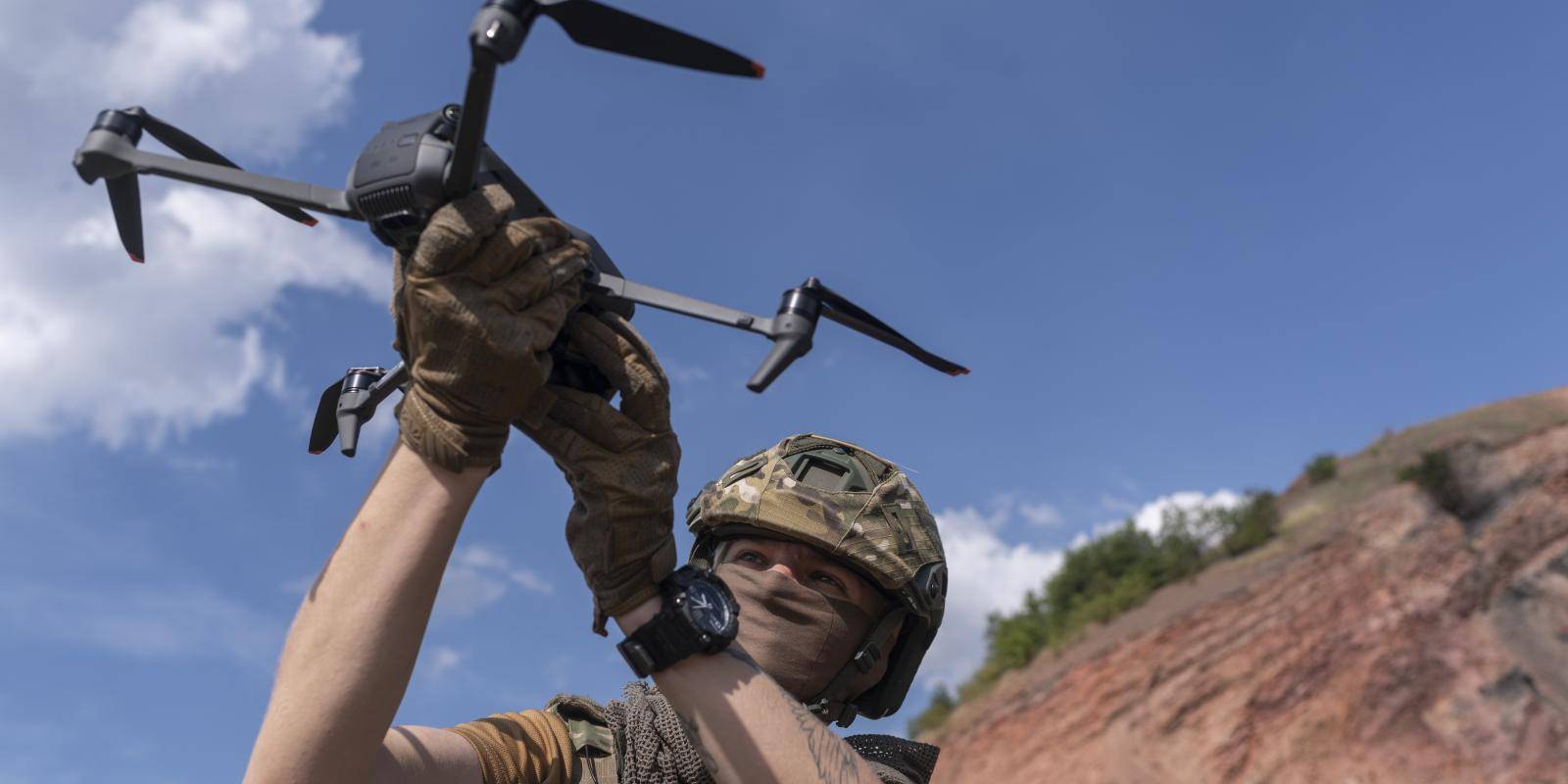
While Russia leans on brute force, Ukraine has taken control of the war’s momentum with a weapon Moscow still struggles to counter: massed, AI-enabled drones and long-range cruise missiles. Produced at scale and deployed with precision, these systems have delivered results at both the operational and strategic levels.
On the operational front, Ukrainian forces have methodically torn apart Russian logistics across the southern theater, stretching from the Donbas approaches all the way to Crimea. By targeting fuel convoys, ammunition trucks, rail hubs, and bridges, Ukraine has created chronic shortages of essentials for Russian troops, including fuel, water, ammunition, and food.
Reports from occupied Crimea and the southern land corridor describe a grim picture:
- Rationing of basic supplies
- Long lines forming at gas stations
- Growing disorder and logistical chaos
In effect, large sections of Russia’s southern front have been placed under a logistics lockdown. With supply lines under constant attack, much of Russia’s southern grouping now operates under severe strain, raising the risk of localized collapse if the pressure holds. Meanwhile, Russian territorial gains have slowed dramatically and, in some places, even reversed.
A Strategic Blow That Rivals World War II Bombing
Ukraine’s most remarkable achievement, however, lies in its strategic campaign. Over the past month, its sustained long-range drone and missile strikes against Russian oil refineries and energy infrastructure intensified sharply.
The scale of the damage is staggering. Ukraine has reportedly inflicted harm on Russia’s fuel production capacity that took the U.S. Army Air Forces two full years of strategic bombing to achieve against Nazi Germany during World War II.
Major refineries stretching from Moscow to the south have been struck repeatedly, cutting processing capacity by more than a third. Russia now faces a genuine fuel crisis marked by lines at the pumps, regional shortages, and emergency measures. Even Putin has publicly acknowledged the “difficult period” his country is enduring.
This creates a painful dilemma for Moscow. With limited fuel remaining, difficult choices loom over who gets priority:
- Front-line troops
- The broader needs of the military
- Everyday civilian motorists
- Trucks and trains moving food and goods
- Farmers trying to bring in the harvest
As transportation and agriculture feel the pressure, the threat of a wider food crisis grows.
Striking the Heart of Russia’s War Machine
Ukraine has not stopped at fuel. Long-range strikes have also hit Russian military electronics plants and missile production facilities. In June, Ukrainian forces targeted a key electronics plant in Voronezh responsible for producing components for Iskander missiles and other systems.
The consequences could ripple outward for months. As new Russian missiles roll out of damaged factories, they are likely to carry inferior avionics, meaning reduced accuracy. The very terror weapons aimed at Ukrainian homes and hospitals may soon struggle even to reach a city center.
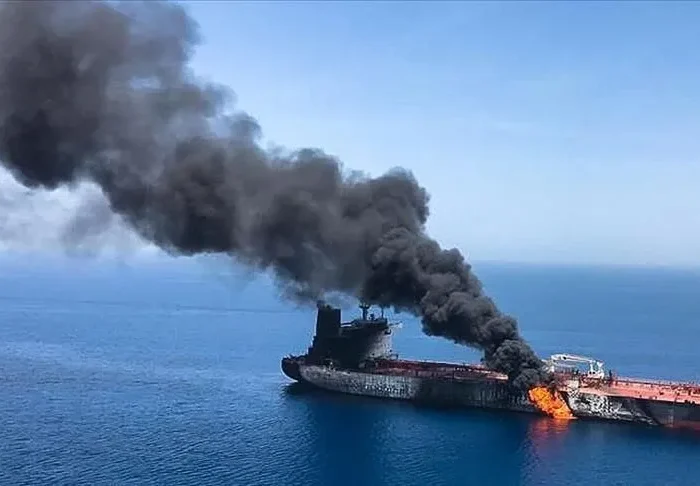
Ukrainian drones have also reached far beyond Russia’s borders. Naval and aerial drones have ventured deep into the Black Sea and even farther, striking Russia’s “shadow fleet” of tankers used to dodge sanctions and finance the war. Some vessels have been hit off Turkey’s coast and even in the Mediterranean, hundreds or thousands of miles from Ukraine itself. Each strike chips away at Moscow’s ability to export oil and fund its war effort.
Why Ukraine Is Winning the Innovation Race
All of this stems from Ukraine’s rapid mastery of drone technology and its flexible, innovative military culture. Ukrainian industry has scaled up production of AI-enhanced drones and cruise missiles at a speed that Russia’s rigid, Soviet-style, top-down systems simply cannot match.
That contrast is the real lesson here, and it is one that should give American leaders pause.
A Warning America Cannot Afford to Ignore
The uncomfortable truth is that the United States may be similarly exposed. Much of the U.S. Navy, including aircraft carriers and submarines, remains vulnerable to massed drone attacks by air and sea while sitting in port. Air bases, power grids, and other critical infrastructure are equally at risk.
The threat is not hypothetical. Adversaries could launch drone swarms from Cuba or Mexico, or even from Chinese merchant ships lurking off American coasts. The war in Ukraine has already shown what cheap, mass-produced drones, some carrying warheads heavier than a ton, can accomplish when used with creativity and industrial scale.
America must absorb these lessons quickly. Calls have already been made for urgent investment in layered counter-drone and missile defenses through initiatives like the Golden Dome, along with hardened infrastructure and faster innovation in unmanned systems. Funding those efforts now falls to Congress. The priority must shift toward rewarding speed and decentralized initiative rather than bureaucratic caution.
The Bottom Line
Russia’s campaign of terror has failed to break Ukraine, while Ukraine’s precision-driven strategy is steadily dismantling Russia’s capacity to wage war. The lessons are laid bare for the world to see. The only question is whether America will learn them by choice, or the hard way.
Author