Aortic dissection is a condition most people have never heard of — until it takes someone suddenly and without warning. That is exactly what appears to have happened in the case of Sen. Lindsey Graham, whose death at 71 has thrust this rare and often lethal emergency into the national conversation.
A preliminary report from the D.C. medical examiner’s office, released Sunday, listed the cause of death as an aortic dissection stemming from arteriosclerotic cardiovascular disease.
Why This Matters
Aortic dissections are frequently mistaken for other cardiac emergencies. On the surface, the symptoms can look almost identical to a heart attack or a pulmonary embolism. But these are fundamentally different problems, and treating one as though it were another can cost a patient their life.
That confusion is part of what makes the condition so dangerous. Time is everything, and misdiagnosis wastes the little of it that exists.
What Exactly Is an Aortic Dissection?
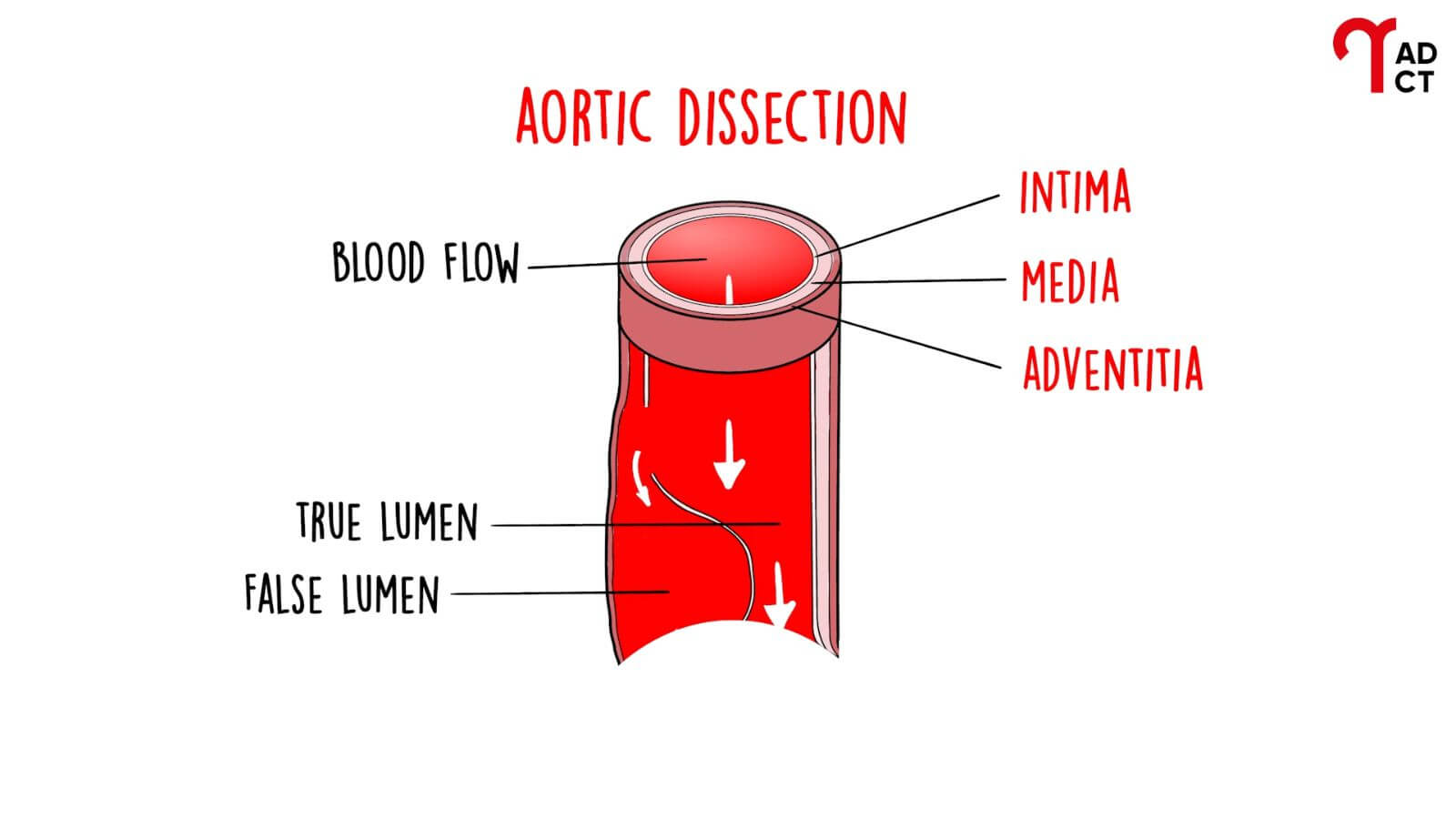
The aorta is the body’s largest artery — the main highway carrying blood away from the heart. It is built in layers. A dissection occurs when the innermost layer tears, allowing blood to force its way between the layers and split them apart.
Neel Mansukhani, an assistant professor of vascular surgery at Northwestern University Feinberg School of Medicine, offers a vivid comparison. He likens it to paint peeling off a wall, adding that the consequences depend heavily on where along the aorta the tear occurs.
The condition is genuinely rare. The American Heart Association estimates it affects somewhere between five and thirty people out of every million.
Who Is Most at Risk?
Aortic dissections show a clear pattern. They most often strike men in their sixties and seventies. Graham was 71 — squarely inside that window.
What makes the condition especially cruel is its stealth. According to Mansukhani, there are essentially no warning signs beforehand unless a person has a family history of dissections. For most people, the first sign is the event itself.
Two Types, Two Very Different Outcomes
Doctors classify aortic dissections into two categories:
Type A is both the more common and the far more lethal form. The tear happens in the segment of the aorta that exits the heart, placing it in the most critical possible location.
Type B occurs further down, in the descending aorta running through the chest. It is generally more manageable and can often be treated with medication and close monitoring rather than emergency surgery.
Symptoms That Mimic a Heart Attack
The warning signs of an aortic dissection overlap heavily with other emergencies, which is precisely why it is so often missed. According to the Mayo Clinic, they include:
- Sudden, severe chest pain
- Intense pain in the upper back
- Severe abdominal pain
- Shortness of breath
- Loss of consciousness
The pain is often described as tearing or ripping — a distinguishing detail, though not everyone experiences it that way.
Dissection Is Not the Same as an Aneurysm
These two conditions are frequently conflated, but they are separate problems.
An aortic aneurysm happens when a weakened section of the aorta bulges outward, like a bubble forming in an overstretched tire. A dissection, by contrast, involves an actual tear in the artery wall.
The two are related, however. Someone living with an aortic aneurysm carries a significantly elevated risk of eventually experiencing a dissection.
Aortic Dissection vs. Pulmonary Embolism
Graham’s diagnosis prompted immediate speculation about a pulmonary embolism, largely because he had recently returned to Washington after a long flight from Ukraine. Long-haul travel is a well-known risk factor for blood clots.
A pulmonary embolism typically begins as deep vein thrombosis, or DVT — a clot that forms in the lower body, often in the legs. According to the CDC, that clot can break loose, travel through the bloodstream, and lodge in the lungs, where it becomes life-threatening.
The Mayo Clinic notes these clots tend to develop when a person stays immobile for extended stretches, such as during long flights or prolonged bed rest.
Anyone can develop a clot, but certain factors raise the odds considerably:
- Heart disease, cancer, or COVID-19
- Recent surgery
- Long periods of travel or bed rest
- Smoking
- Obesity
- Pregnancy
Fortunately, pulmonary embolisms are largely preventable. Blood thinners, compression stockings, elevating the legs, and simply moving around regularly all reduce the risk substantially.
The Coronary Calcium Connection
In the aftermath of Graham’s death, another term surfaced: coronary calcium buildup.
As explained by the Cleveland Clinic, this occurs when calcium deposits accumulate inside the arteries feeding the heart. Over time, this contributes to the hardening and narrowing of those arteries — a process closely linked to heart attacks and broader cardiovascular disease.
Coronary calcium buildup is a distinct condition from aortic dissection. But the two share a striking amount of common ground in terms of who develops them. Both are associated with:
- Advancing age
- High blood pressure
- Smoking
- Existing cardiovascular disease
That overlap is telling. It suggests these are not entirely separate stories, but different expressions of the same underlying deterioration of the cardiovascular system.
The Takeaway
Aortic dissection is rare enough that most people will never encounter it. But its lack of warning signs, its ability to masquerade as more familiar emergencies, and its high fatality rate make it one of the more feared conditions in medicine.
For those with a family history, high blood pressure, or existing heart disease, the risk is not theoretical. Regular checkups, blood pressure control, and quitting smoking remain the most reliable defenses available — imperfect, but far better than being caught entirely unaware.
Author