Wheat Prices Surge as Black Sea Shipping Turmoil Rattles Global Markets
The Black Sea wheat market has been thrown into turmoil as escalating attacks on shipping in the region send prices soaring. According to a leading analyst, Canadian wheat farmers would be wise to take a patient, wait-and-see approach amid the current volatility. With tensions boiling over in one of the world’s most critical grain-exporting regions, the market appears poised for further dramatic swings.
An Analyst’s Advice: Don’t Rush
Andrey Sizov, managing director of SovEcon, is urging caution among farmers weighing their next moves. He believes there may still be more room for prices to climb before any reversal.
His advice was direct: farmers should probably not rush their hedges right now, as he sees additional upside remaining in the market. However, Sizov also issued a warning about the potential for a sharp downturn. He cautioned that when a reversal comes, it could be brutal, noting that the market has a strong tendency to sell off Black Sea rallies, a pattern that has repeated many times in previous years.
Prices Climb Sharply
The market’s response to the regional turmoil has been striking. Nearby Chicago wheat futures had risen by $0.88 per bushel, or 15 percent, as of midday compared to the close on June 30.
The rally has not been limited to a single market. Kansas and Minneapolis wheat futures have also climbed, reflecting the broad impact of the shipping disruptions on wheat prices across the board.
The Root of the Rally
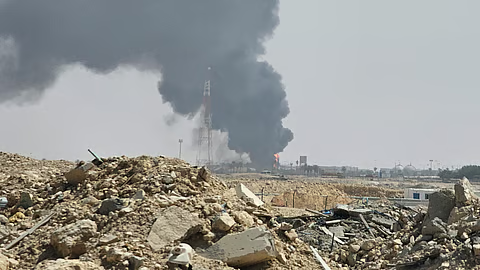
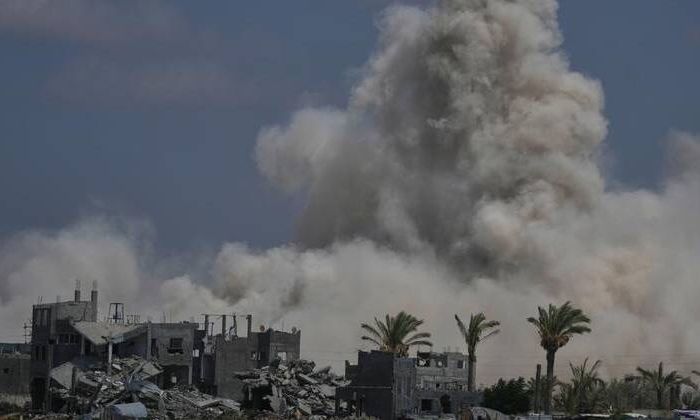
At the heart of the price surge lies a dramatic escalation in the conflict. The bull market emerged in response to Ukrainian drones striking 116 Russian ships in the Sea of Azov over a nine-day period.
Sizov noted that the targets were primarily tankers and tugboats, though a few bulk carriers were hit as well. The Sea of Azov’s characteristics made it particularly vulnerable, as it is a shallow body of water with predictable shipping routes.
The situation grew more serious when Russia shut down navigation through the Kerch Strait, the passage connecting the Sea of Azov with the Black Sea. While some ships are now traveling through the strait, risk premiums have skyrocketed, sharply limiting traffic. This matters enormously because the Sea of Azov handles roughly one-quarter of Russia’s grain and wheat exports.
The Enormous Weight of Russia
Understanding the market’s sensitivity requires appreciating Russia’s dominant position in global wheat trade. Russia stands as by far the world’s leading wheat exporter.
The U.S. Department of Agriculture forecasts that Russia will ship out 47.5 million tonnes of wheat in the 2026-27 season, which would account for 22 percent of global exports. Any significant disruption to that flow carries major implications for the entire world market.
The timing adds another layer of concern. This marks the start of Russia’s new crop season, when exports are typically low. But the longer the shipping disruptions persist, the more serious the problem becomes.
Sizov explained that Russia’s peak export months fall between August and December. The country will be unable to achieve its export potential if shipments through the Sea of Azov remain disrupted. Crucially, he noted that the affected volume cannot simply be rerouted, since other port terminals would already be fully booked.
Ukraine’s Ports Under Fire
The disruption is not one-sided. Russia has responded by intensifying attacks on port facilities in Odesa, home to three grain terminals that account for more than 90 percent of Ukraine’s grain and vegetable oil shipments.
The impact on Ukrainian exports has been substantial. According to the Ukrainian Agri-Council, exports from those three ports have fallen significantly:
- Shipments have dropped to four million tonnes per month
- This compares to a previously agreed volume of six million tonnes
The council expects exports to shrink even further if Russia’s attacks continue and no repair work is carried out. Compounding the problem, Kernel Holding, Ukraine’s top grain exporter, has halted operations at Chornomorsk port due to the attacks, with four of the port’s 13 large grain terminals suspending grain purchases.
Ukraine, too, plays a meaningful role in global supply. The USDA forecasts that the country will export 14.5 million tonnes of wheat in 2026-27, representing 6.8 percent of global trade volumes. Notably, Ukraine has escalated the conflict further by attacking Russian merchant vessels in the Black Sea.
A Prolonged Disruption Ahead?
Looking forward, Sizov sees little reason to expect a quick resolution. He observed no signs of de-escalation in the conflict and suggested the new wave of drone attacks could easily drag on into August or beyond.
Such a prolonged disruption would carry enormous ramifications for the world wheat market. Sizov estimated the potential impact in stark terms, suggesting that five to 10 million tonnes could be deducted from Russian exports in the current season, along with a few million tonnes from Ukraine’s exports.
What Farmers Should Watch
Given all these dynamics, Sizov’s guidance to farmers centers on vigilance. He advised keeping a close eye on developments in the Black Sea region, as these events are the primary force driving today’s wheat markets.
His overall outlook balances opportunity against risk. On one hand, he believes substantial upside may remain in the current rally. On the other, he warns that any reversal will be sudden and sharp, reinforcing his counsel against hasty hedging decisions.
Looking Ahead
The turmoil in the Black Sea region has transformed the global wheat market into a landscape of heightened volatility and uncertainty. With two major exporters locked in an escalating conflict that targets the very infrastructure sustaining their trade, the ripple effects are being felt by farmers and buyers around the world.
For Canadian wheat farmers and others watching the market, the message is one of patience and attentiveness. As Sizov makes clear, the situation remains fluid, and the potential for both further gains and abrupt reversals is very real. In a market so heavily influenced by geopolitical developments, staying informed may prove just as valuable as any hedging strategy.
Author