Trump’s Casual Threats Against Iran May Have Handed Him a Forever War of His Own
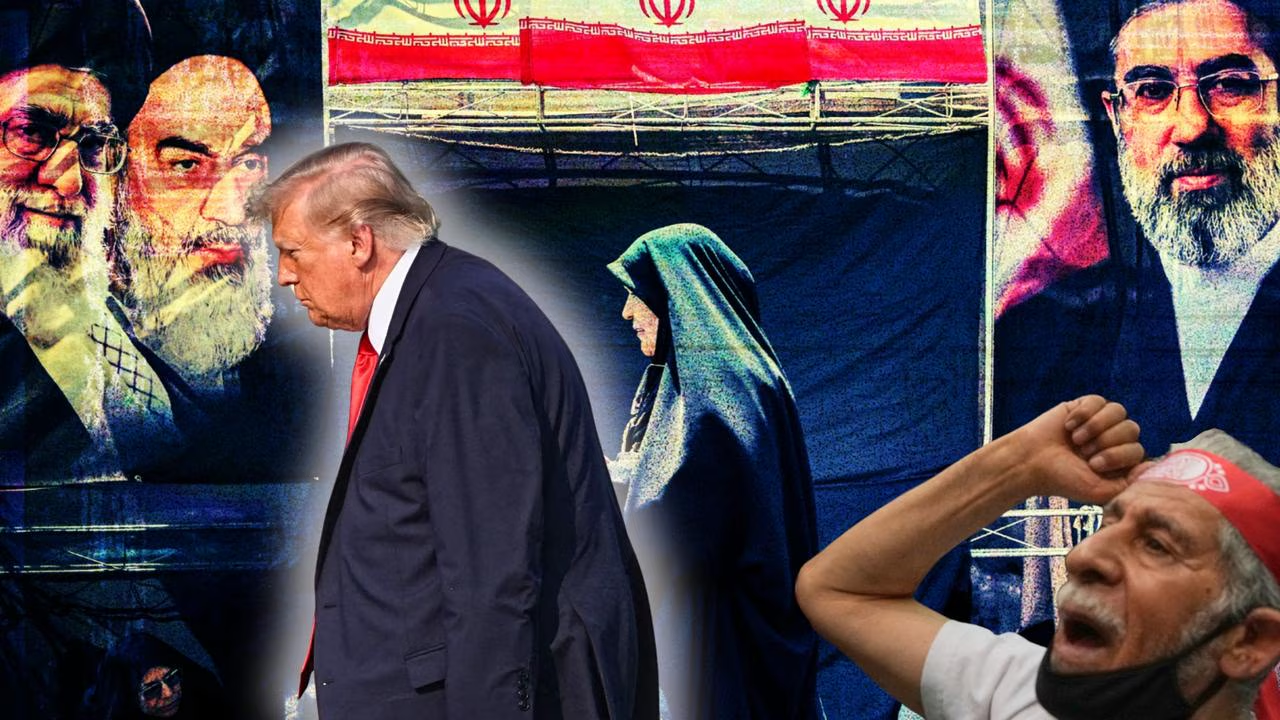
The Trump Iran war has taken on a strange, almost offhand quality. For a president who once chased a Nobel Peace Prize by promising to end conflicts, military force has quietly become something else entirely — a casual bargaining chip, tossed into press conferences as a way to nudge Iran back toward the negotiating table.
But casual threats carry real consequences. And the deeper Trump wades into this conflict, the more it resembles the very kind of open-ended war he once vowed to avoid.
When Force Becomes a Background Effect
Commanding the largest military machine in history is the gravest responsibility any American president holds. Yet somewhere along the way, that weight seems to have been stripped from the conversation.
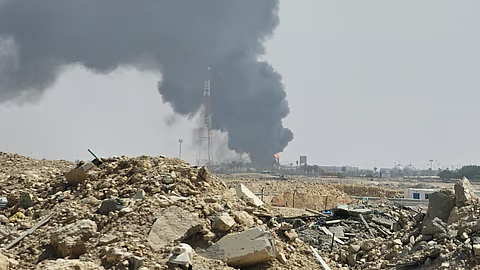
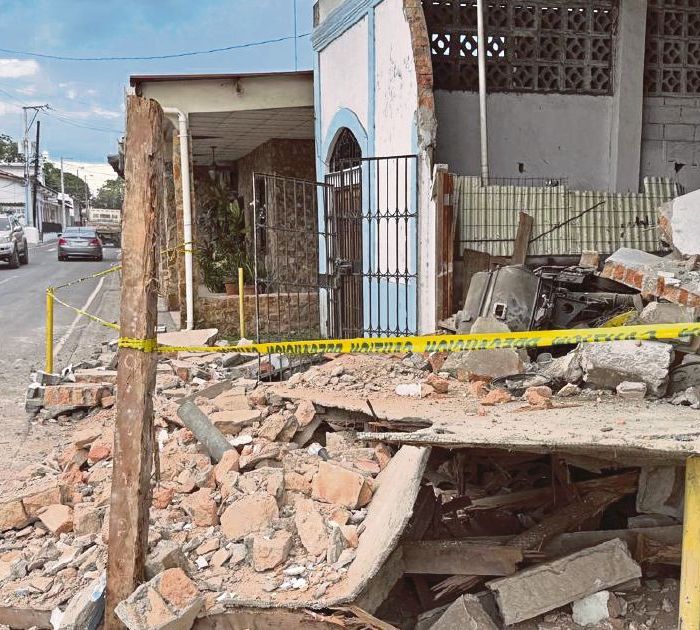
The Pentagon may have scaled back the public flow of information about U.S. casualties and damage to its facilities, but the risks are neither hypothetical nor gone. Dozens of Iranians have died since the latest round of strikes and counterstrikes began, and thousands have perished since February.
The normalization of that violence should, on its own, be a red line. Instead, its resumption or the threat of it has been reduced to a throwaway remark — one topic among many raised with reporters.
There’s a genuine complexity here. The disruptive instincts of the Trump administration can, at times, produce real and even unintended benefits, and the president’s approach is undeniably novel. But novelty is not the same as wisdom, especially when human lives hang in the balance.
Chipping Away at America’s Own Rules
For all the criticism aimed at U.S. foreign policy over the decades, one thing generally held true: America at least tried, on the surface, to operate within international humanitarian law and to present force as a last resort. That restraint wasn’t just moral posturing — it was a source of strength.
Trump’s rhetoric threatens to erode that foundation. He has spoken openly about devastating Iran’s infrastructure, targeting bridges and power plants. Legal scholars are blunt about what that means: striking such targets would constitute a war crime.
Supporters may argue these definitions are outdated, and that recent precedents have made the modern battlefield a harsher, more indifferent place. But the rules remain in black and white for good reason, and Trump speaks casually of ignoring them. The double standard is hard to miss — when Russian President Vladimir Putin hits these same kinds of targets in Ukraine, Western outrage follows, and rightly so.
A Pattern of Broken Norms
America’s historical reluctance to unleash force, however imperfect, helped preserve the Pentagon’s true power. The country fought often, but it took care to explain why. Trump’s second term has veered into territory his predecessors avoided on principle.
The abduction of Nicolás Maduro, then Venezuela’s president, captured this shift. The operation was daring and high-risk, and it has slowly paid dividends, with Caracas growing friendlier to Washington. But it shattered two things at once:
- The international norm against seizing a sitting head of state from his own capital simply out of dislike
- Trump’s carefully maintained image as a peacemaker, after a year of trying, often unsuccessfully, to wind down inherited wars
With Iran, that transformation appears complete. Trump now edges toward the midterms carrying his own war of choice — a kind of Forever War Lite, defined by uncertain rationale, shifting goals, and steadily vanishing public support.
A Ceasefire Built to Fail
The terms of the ceasefire were vague enough that they practically invited Iran’s hardliners to break them. The arrangement asked Iran to surrender something it insisted it never had and never wanted — a nuclear weapons program. In exchange, it offered Iran potentially billions in sanctions relief as a reward for essentially returning to where it claimed to have stood in February.
The results tell a sobering story. Iran has absorbed more than 13,000 strikes and been degraded, yet it has survived and rebuilt rather than suffering a fatal blow. Strikingly, the United States appears to struggle more with replenishing its munitions stockpiles than Iran does with replacing its generals.
This is the hidden trap of unused might. The more a superpower brandishes its firepower without decisive effect, the more it reveals the limits of its resolve — and the gap between what it threatens and what it’s actually willing to do.
Echoes of Afghanistan
The term “Forever War” was born to describe Afghanistan, where America’s supposedly bottomless reserves of firepower and money collided with the hard ceiling of its patience for distant conflicts. The U.S. could have done more there, but chose not to — even though the stakes involved avenging 9/11 and preventing its recurrence.
Iran poses a different kind of challenge. At no point has Trump laid out for the American public why this war is existentially necessary. It reads as his Coke Zero conflict — one he seems to believe he can consume without consequences, as if there were no calories to fear.
By many accounts, he simply decided on the war, persuaded of a fleeting window of opportunity by Israeli Prime Minister Benjamin Netanyahu. There was no plan for the day after a potential regime collapse, no strategy for the month after the first bomb, not even a clear vision two weeks out. The casual manner of its beginning now shapes the stumbling way it drags on.
The Limits of American Power on Display
Iran’s resilience has become a live demonstration of just how far American power can be stretched before it thins out. Trump may threaten a land incursion to seize key islands or promise a dramatic escalation in the air campaign. But each unfulfilled threat rings more hollow than the last.
Two forces in particular constrain American resolve:
- The price of oil, which appears to be drifting toward renewed crisis as reserves run low. Volatile and unforgiving, it has always been a very public brake on American military ambition.
- Trump’s own sinking approval rating. For an 80-year-old, second-term president, this may matter less personally than the state of the economy he hopes to hand a chosen successor — but the midterm elections could bite hard.
A Victory Measured in Survival
For Iran’s hardline regime, mere endurance amounts to a kind of triumph. The government faced serious popular unrest back in January and is unlikely to have grown more beloved since. Yet it has not faltered or fallen under the added pressure.
History offers a lesson here. The Afghan Taliban and the Iraqi insurgency wore down the United States through roadside bombs and sheer stubbornness — but they were not nation states. Iran’s ability to keep its regime running, despite industrial-scale targeted assassinations over the past year, carries far broader geopolitical weight.
By surviving, Iran has pushed the world’s most powerful military into using force largely in the hope of coercing Tehran back to talks — talks that would ultimately revolve around returning to roughly February’s status quo. It stands as a vivid emblem of American misadventure and flippancy, with consequences for the decades ahead only now coming into view.
The Real Takeaway
The lesson isn’t lost on watchers in Moscow or Beijing. When a superpower begins a war casually, as though it barely cares about the outcome, its adversaries draw the obvious conclusion.
A nightly toll of Iranian deaths, undertaken with a shrug, is abhorrent in itself. Even during the 2003 strikes on Baghdad, Coalition generals openly voiced their sorrow at how brutally their weaker opponent was being pummeled. That flicker of conscience feels absent now.
In the end, the principle is simple. If you start a war as if you care little about it, your enemy will assume that indifference extends to the outcome too — and will fight all the harder, betting that your resolve was never as deep as your firepower suggested.
Author