Homelessness in Los Angeles Climbs Again, Reversing Two Years of Progress
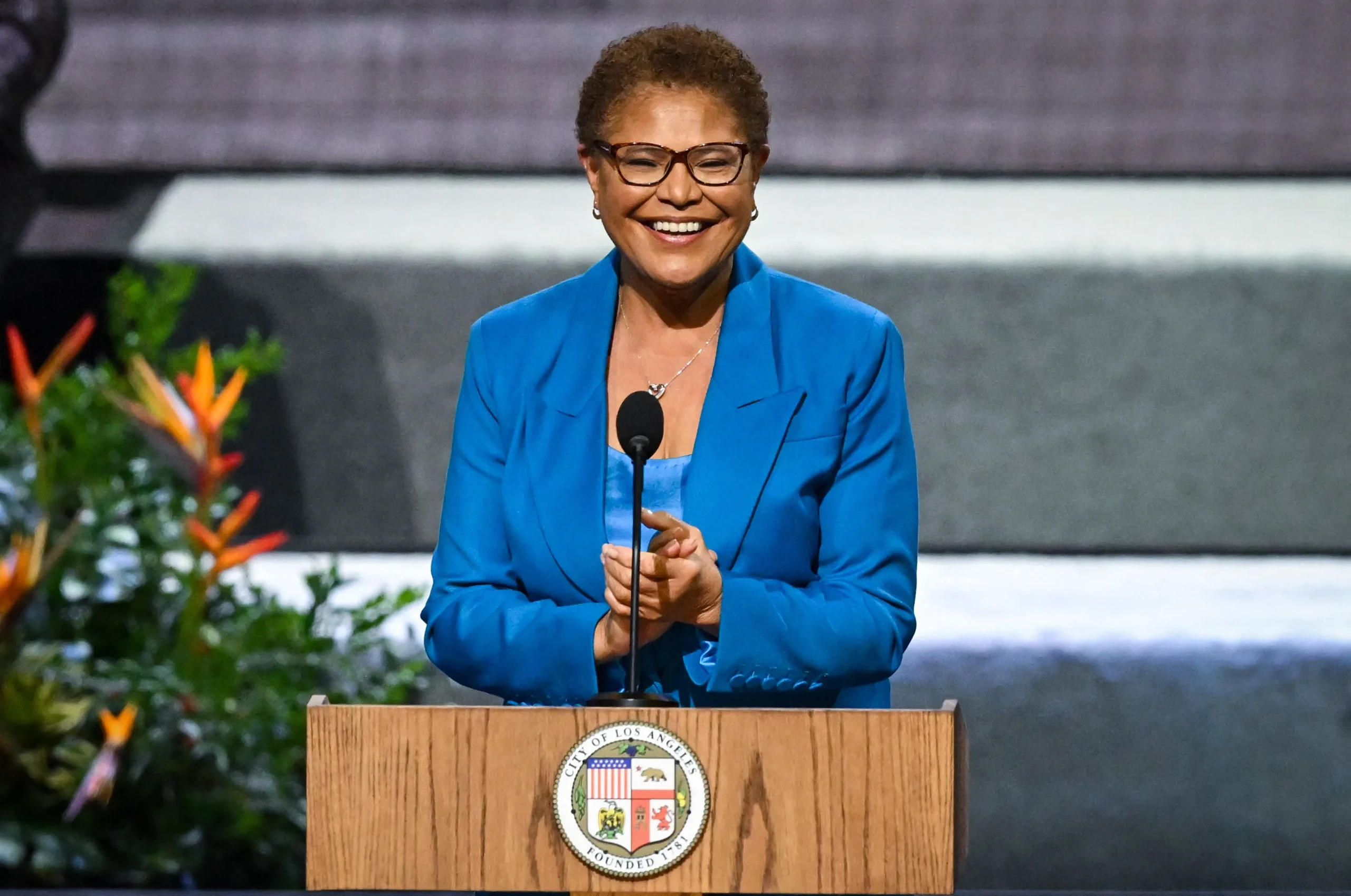
Homelessness in Los Angeles has risen across the city and much of the surrounding county, according to figures presented in closed-door briefings — a development that lands squarely on Mayor Karen Bass as she campaigns for a second term.
The most damaging number concerns people living outdoors or in vehicles. That population grew by 7.9%, ending two straight years of decline, according to two people familiar with the presentation by the Los Angeles Homeless Services Authority.
Overall homelessness, a category that includes people in shelters and other temporary accommodations, rose 3.4% year over year.
Both sources spoke on condition of anonymity, saying they were not cleared to discuss LAHSA’s briefing publicly. The data comes from the annual point-in-time count conducted each January.
The Scale of the Problem
By LAHSA’s tally, 45,194 homeless people are living within the city of Los Angeles.
The regional picture is somewhat less severe. Across the continuum of care — which covers 85 of the county’s 88 cities, including L.A. itself — overall homelessness increased 1.2%, with unsheltered homelessness up 3.5%. Long Beach, Pasadena and Glendale run their own counts separately.
An Important Caveat About the Numbers
LAHSA declined to release this year’s margins of error, which complicates interpretation considerably.
The increases in both city and county figures came close to last year’s margins of error. Without the current figures, it is not possible to determine whether these changes are statistically significant or fall within expected variation.
The agency did not immediately comment on the count itself or offer an explanation for the increases. Public release is scheduled for Friday.
The Mayor’s Defense
Bass responded by pointing outward, citing multiple pressures beyond her control.
She identified funding reductions from both state and federal governments as a factor. She also singled out gaps in county services — particularly mental health treatment and substance abuse counseling — as contributing to the crisis.
Her counterargument rests on the longer trend line. Even accounting for this year’s increase, she said, unsheltered homelessness in the city has fallen 11% since 2023, and her administration has housed more than 1,000 homeless veterans.
Her framing was defiant. She argued the crisis went unaddressed by city leaders for decades and that a historic decline has only materialized recently, pledging to continue fighting until street homelessness ends because no Angeleno should be sleeping outside.
The Program at the Center of the Debate
Inside Safe, the mayor’s flagship initiative, has relocated more than 6,000 people into hotels, motels and other interim housing since she took office in December 2022.
The durability of those placements is another matter. As of May 31, 41% of those individuals had returned to homelessness, according to LAHSA data compiled separately from the annual count.
That retention figure has become a central line of attack.
A Challenger Presses the Advantage
City Councilmember Nithya Raman, who chairs the council’s homelessness committee and is running against Bass, called the citywide results disappointing though not unexpected. She noted that her own district recorded significant decreases.
Her critique targeted strategy rather than effort. She argued that City Hall leadership has been unwilling to pivot toward an approach that actually places people in permanent housing, and said the results demonstrate the mayor’s method is not working well enough.
The Political Damage
Fernando Guerra, a political science professor who directs the Center for the Study of Los Angeles at Loyola Marymount University, offered a blunt assessment.
He described the increases as bad for the city and therefore bad for the incumbent. For the campaign specifically, he said there is nothing salvageable in this count — it undercuts her central campaign theme, contradicts the achievements she claims from her first term, and undermines the rationale she has offered for seeking reelection.
Bass had leaned heavily on a previously reported 17.5% two-year drop in unsheltered homelessness, a figure that offered genuine encouragement in a city where the numbers had climbed for a decade.
A Difficult Summer Already
The homelessness figures arrive on top of accumulating problems for the mayor’s office:
- Ongoing frustration over the slow cleanup from the Lineage fire in Boyle Heights, where odors and vermin continue to affect the surrounding neighborhood
- A series of water main failures, one causing significant flooding
- Scrutiny of the overlapping roles held by a crisis communications consultant who advised her office at no charge
Her approval ratings had already fallen sharply last year following the Palisades fire, which destroyed thousands of homes and killed 12 people. The months after brought a serious budget crisis and federal immigration enforcement operations that disrupted families and local businesses.
A County Official Urges Perspective
L.A. County Supervisor Lindsey Horvath cautioned against reading too much into a single measurement, describing the point-in-time count as one data point rather than the complete picture.
Her emphasis was on visible outcomes rather than methodology. People experiencing homelessness and the neighborhoods affected by it, she argued, are less interested in technical disputes about counting than in what they observe on the street — whether people are getting housed, whether they can access care, and whether tax dollars are being spent accountably.
LAHSA’s Own Crisis
The agency reporting these numbers is fighting for its existence.
The Trump administration moved last month to suspend LAHSA from applying for or receiving federal housing and homelessness funding, citing financial mismanagement. Hundreds of millions of dollars intended for the region’s most vulnerable residents hang in the balance.
LAHSA has sued the federal government to block the suspension. A court hearing is set for Aug. 6.
The pressure is coming from local government as well. The county Board of Supervisors voted last year to withdraw hundreds of millions of dollars from LAHSA and redirect it to a new county-run homelessness agency. Supervisor Hilda Solis defended that decision as introducing transparency to a system she characterized as unaccountable and poorly overseen.
City officials have discussed a similar exit but have not acted.
Bass, who sits on LAHSA’s board, has aligned herself with the criticism. She said the city must construct something better — results-driven, transparent, and organized around the people it aims to serve rather than around the bureaucracy itself.
What November Will Test
The election on Nov. 3 now carries an implicit question about which trend line voters find more convincing.
Bass is asking to be judged against 2023, when the numbers were worse. Her opponents are asking voters to judge against last year, when they were better.
Both framings are accurate. The count itself cannot resolve the disagreement — and with the margins of error withheld, it cannot even confirm with certainty that this year’s increase is real.
Author
-
Lucienne Albrecht is Luxe Chronicle’s wealth and lifestyle editor, celebrated for her elegant perspective on finance, legacy, and global luxury culture. With a flair for blending sophistication with insight, she brings a distinctly feminine voice to the world of high society and wealth.