Mount Fuji Death Marks Second Fatality in a Single Week
A Swiss man died after collapsing during a hike up Mount Fuji, Japanese authorities confirmed Friday, the second death on the mountain within a week.
In a separate incident the same day, rescuers reached a 99-year-old woman who had been injured on the mountain and spent the night sheltering in a hut.
The two cases together illustrate the range of risk on a peak that draws hundreds of thousands of visitors annually, many of them unprepared for what the climb demands.
What Happened to the Swiss Climber
Police told AFP that the 58-year-old man lost consciousness during the ascent. Rescuers resuscitated him and transported him to a hospital, where he was pronounced dead on arrival.
The Swiss assisted dying organisation Exit identified him as its managing director, Bernhard Sutter. In a statement, the company said he suffered a medical emergency while on a family holiday in Japan.
Exit noted that Sutter maintained strong family connections to Japan and extended condolences to his wife and young family.
His death follows that of a 65-year-old Japanese man on July 17, who reportedly fell and struck his head. The current hiking season opened July 1.
A Rescue at 99
The woman recovered from the mountain was identified by police as Tome Sagawa.
She had been attempting the climb when she injured herself the previous day, then remained in a mountain hut through the night before rescuers reached her.
A police spokesman used the occasion to press a broader message, urging hikers to descend without pushing themselves whenever they have doubts about weather or their own physical state. He emphasised planning routes that match one’s actual climbing experience and fitness rather than ambition.
A Pattern of Repeat Rescues
The mountain has produced some notably avoidable incidents.
Days before these cases, reports indicated a 54-year-old Japanese man required rescue twice within two days while attempting the walk.
A similar episode occurred in 2025, when a Chinese climber ascending outside the official season had to be rescued a second time after returning to retrieve a phone and other belongings he had left behind. Several thousand people climb outside the sanctioned window each year.
Why Japan Started Restricting Access
Mount Fuji was historically a quiet pilgrimage destination. It has since become a mass tourism target, and the consequences prompted regulation.
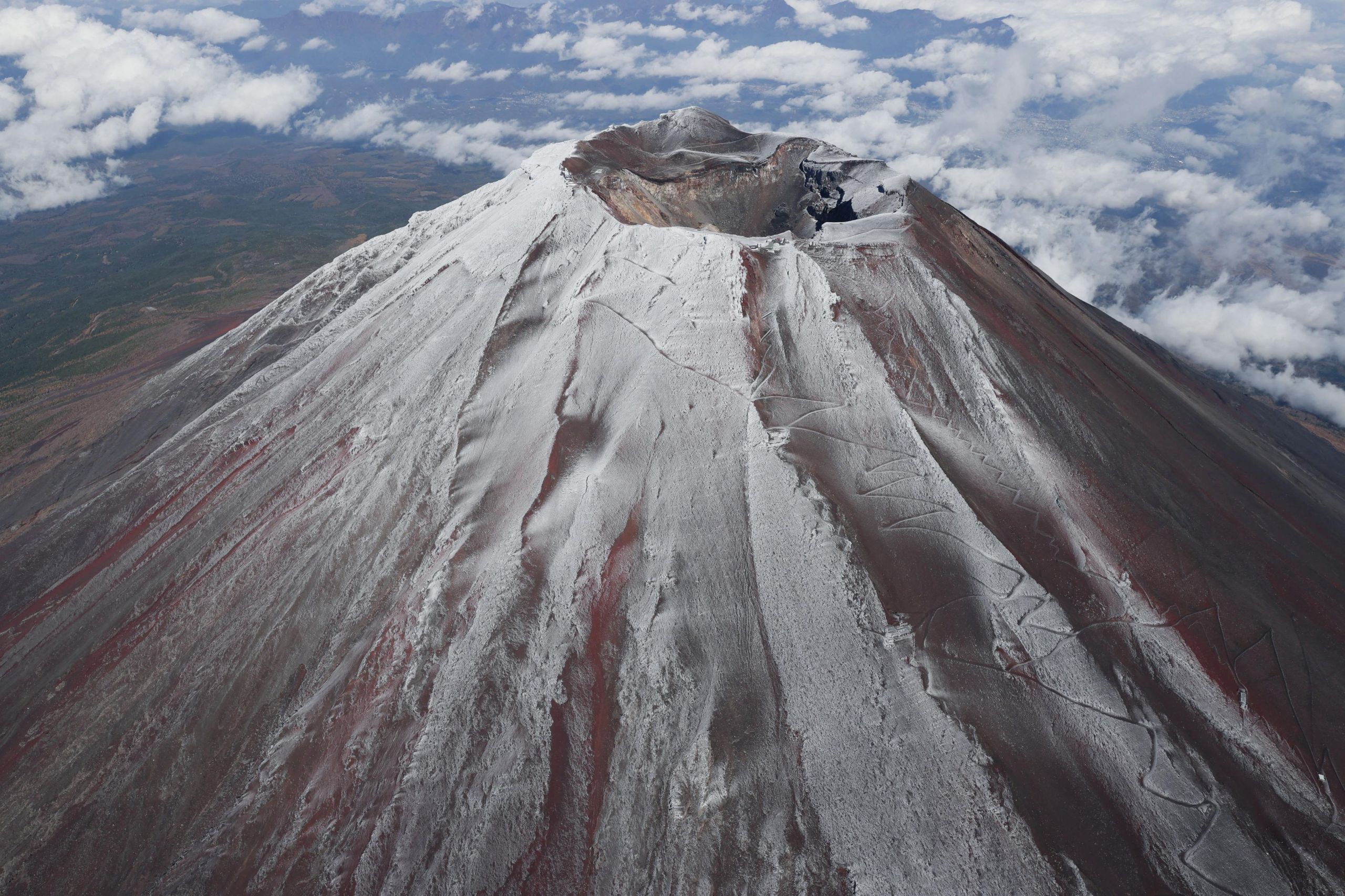
The 12,388-foot volcano now sees behaviour that authorities describe as both dangerous and environmentally damaging:
- Hikers trampling fragile alpine terrain and building campfires on it
- Litter left behind, including bottles, plastic bags and wrappers
- Climbers arriving in shorts and sandals despite warnings about subzero conditions
- People falling ill and, in some cases, attempting to summon taxis for rescue
The round trip typically takes between five and ten hours, a demand many visitors underestimate.
The Current Rules
Yamanashi Prefecture, which oversees the popular Yoshida Trail, moved first in 2024. It set a daily ceiling of 4,000 climbers and introduced a 2,000-yen fee, roughly $12.20, which it doubled the following year.
Neighbouring Shizuoka followed with a 4,000-yen charge covering its three trails.
The measures appear to have had some effect on volume. Just over 200,000 people climbed last year, down from slightly more than 220,000 in 2023.
The Safety Record
Fatality numbers have fluctuated considerably.
The 2025 season recorded no deaths at all. The previous season saw nine.
Among the worst incidents was June 2024, when four bodies were recovered from the mountain — a search that began after one of the missing climbers sent photographs from the summit to his family.
The Underlying Tension
Fuji presents a particular kind of hazard because it does not look like one.
It is accessible from Tokyo, well-marked, equipped with huts, and climbed by enormous numbers of ordinary tourists. That combination creates an impression of safety that the altitude, temperature and duration do not support.
The two cases this week sit at opposite ends of that problem. A 99-year-old survived a night on the mountain after injury. A 58-year-old man in apparently normal health did not survive a medical emergency during the ascent.
Neither outcome was predictable from the outside — which is precisely the point the police spokesman was making about turning back early.
Author
-
Lucienne Albrecht is Luxe Chronicle’s wealth and lifestyle editor, celebrated for her elegant perspective on finance, legacy, and global luxury culture. With a flair for blending sophistication with insight, she brings a distinctly feminine voice to the world of high society and wealth.