Australia Prepares to Sue Meta, TikTok, Snapchat and YouTube Over Under-16 Social Media Ban Breaches
Australia social media age ban lawsuit proceedings are now being prepared against five of the world’s largest platforms, Communications Minister Anika Wells has revealed, in what would be the first major enforcement test of the country’s pioneering law barring children under 16 from holding social media accounts.
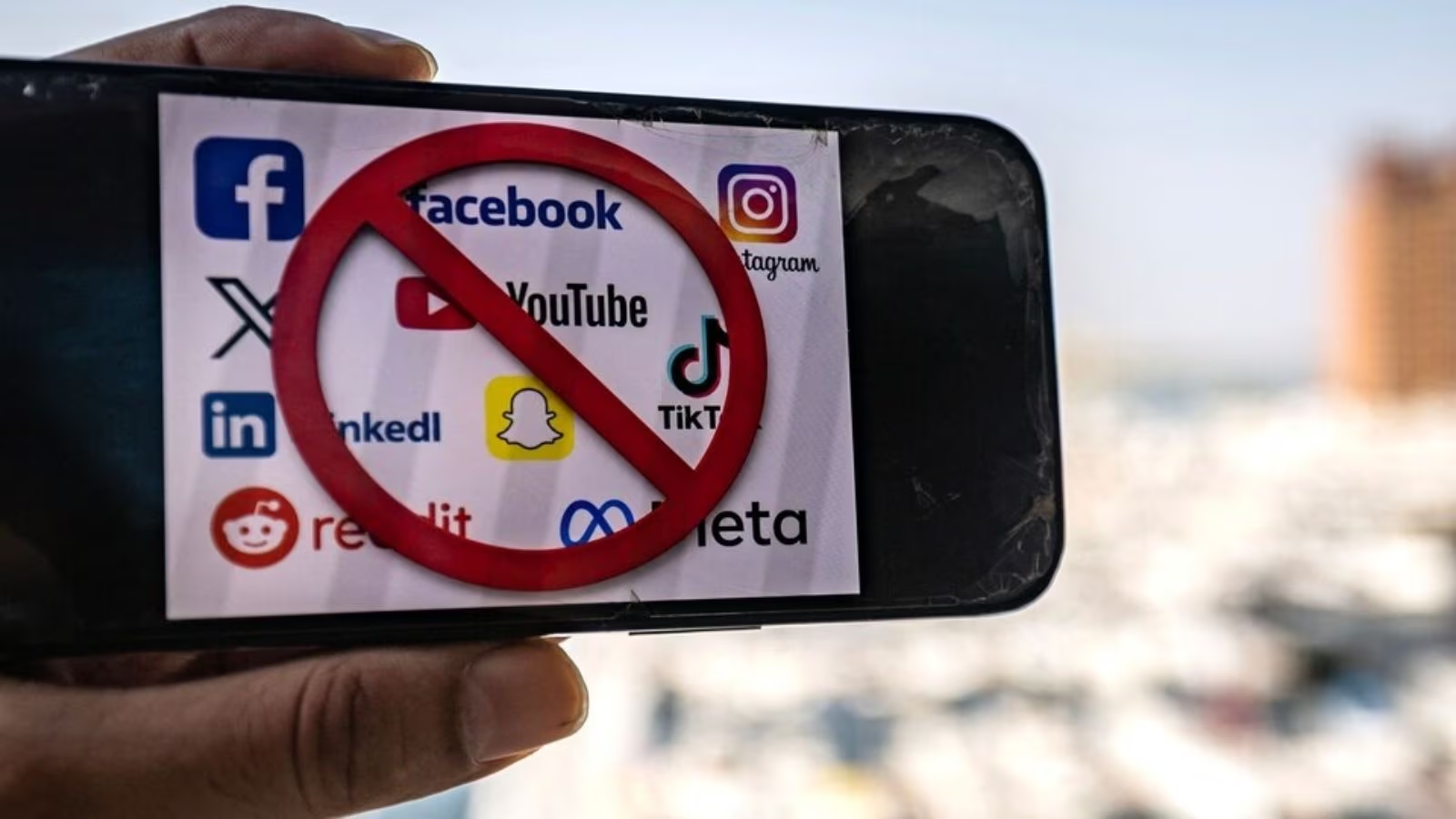
Speaking to Bloomberg, Wells said she anticipated Federal Court action against Facebook and Instagram, both owned by Meta, as well as TikTok, Snapchat and Google’s YouTube. The eSafety Commissioner, the nation’s online safety regulator, is assembling the evidence needed to bring the cases.
How Australia Got Here
Australia made global headlines when it legislated a minimum age of 16 for social media accounts, placing the burden squarely on platforms rather than parents or children. The law requires companies to take reasonable steps to stop underage users from opening or keeping accounts.
The approach was deliberately ambitious. Rather than relying on self-declared birthdates, which anyone can falsify, the legislation expects platforms to deploy meaningful age verification and to actively remove accounts held by those under the threshold.
Governments around the world have watched closely to see whether such a ban could work in practice. The looming litigation suggests the answer, so far, has been disappointing.
What the Regulator Found
The eSafety Commissioner opened formal investigations into the five platforms in March, examining whether they were meeting their obligations under the law.
A report published in July delivered an unflattering verdict. Most Australians under 16 were still able to keep the accounts they already had or to set up new ones. The chief culprit was weak age verification, with the measures platforms had put in place proving easy to circumvent or simply inadequate.
That finding gave the government the factual basis it needed to move from investigation toward enforcement.
Raising the Stakes
Ahead of any court action, Australia has sharpened its legal tools considerably:
The maximum penalty for a breach has been doubled to A$109.2 million, roughly US$76 million.
The regulator can now compel companies to hand over documents.
It also has the power to question both current and former employees, a provision aimed at uncovering what platforms knew about underage users and what they chose to do about it.
The expanded powers signal that Canberra expects resistance and intends to pursue the cases vigorously.
Why Platforms Have Struggled
The companies have not publicly conceded failure, but the technical and commercial challenges are well understood.
Reliable age verification at scale is difficult. Methods range from facial age estimation to document checks to third-party verification services, each with trade-offs involving accuracy, privacy and user friction. Platforms have been wary of imposing requirements that drive away legitimate adult users or raise data-protection concerns.
There is also a commercial dimension. Teenagers are among the most engaged users of social media, and their presence drives advertising revenue and network effects. Platforms have little financial incentive to enforce an age floor aggressively unless compelled.
Critics of the companies argue that the gap between what is technically possible and what has been implemented reflects a choice rather than a limitation.
What a Lawsuit Would Mean
If the eSafety Commissioner proceeds, the Federal Court would be asked to determine whether each platform took reasonable steps to comply. That phrase will be central. Companies are likely to argue they made good-faith efforts within the limits of available technology; the regulator will point to the July findings as evidence that those efforts fell short.
Penalties, if imposed, would be significant but not crippling for firms of this size. The greater consequence may be precedent. A ruling against the platforms would establish that regulators can hold them to account for outcomes, not just procedures, and could embolden other jurisdictions considering similar bans.
The International Dimension
Australia’s experiment is being studied in Europe, North America and across Asia. Several countries have debated age limits for social media, often citing concerns about mental health, online harassment and exposure to harmful content. Few have gone as far as Australia in writing a hard age floor into law.
The outcome of the enforcement action will shape those debates. Success would demonstrate that a determined government can force compliance. Failure, or a drawn-out legal fight with limited practical effect, would hand ammunition to those who argue such bans are unworkable.
What Happens Next
The timing of any filing has not been announced. The regulator is still gathering evidence, and the platforms are presumably preparing their defences. Wells’s comments indicate the government is committed to pursuing the matter rather than negotiating a quiet settlement.
For Australian families, the immediate reality is that the ban exists on paper more than in practice. For the platforms, the message from Canberra is that the grace period is over.
Author