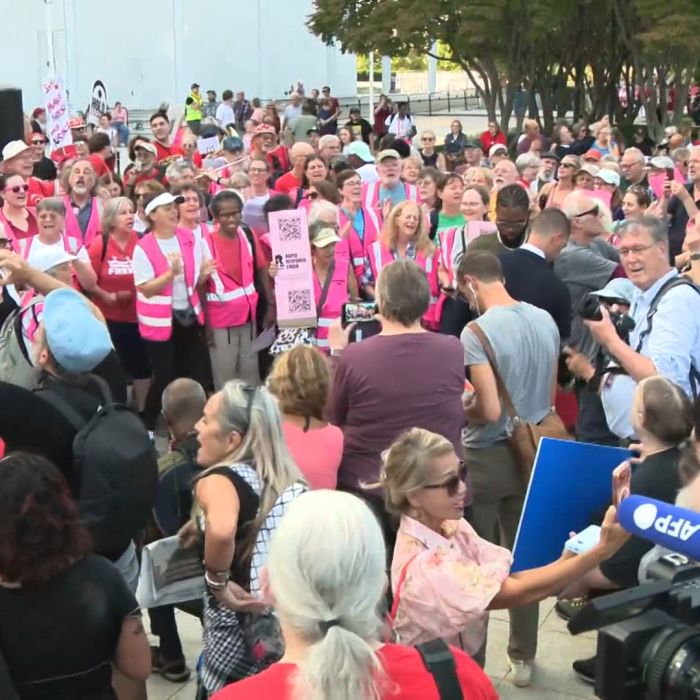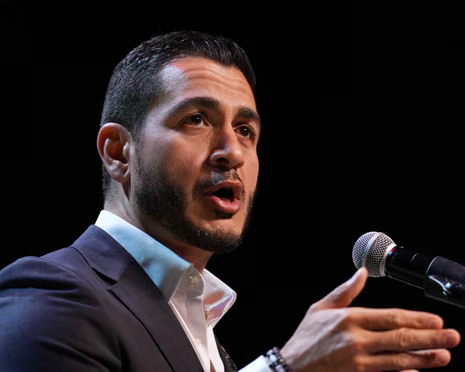
Abdul El-Sayed walked away from Michigan’s Democratic Senate primary with the win he wanted and almost none of the certainty he had planned for. His team had booked the Majestic Theater on Woodward Avenue, expecting to take the stage by ten o’clock Tuesday night with a speech built around outreach and reconciliation. The margin never cooperated. He waited until Wednesday morning to claim victory, edging ahead by roughly 15,000 votes out of more than 1.5 million cast, then borrowed a line from Muhammad Ali to tell reporters he had shaken up the world.
He had. But not in the way that settles arguments.
A Win That Answered Nothing
The plan was for a decisive result to end the debate about whether he could carry Michigan in November. Instead, the closeness of the count handed his skeptics fresh ammunition. The primary had turned personal, occasionally ugly, and the bruises were visible on election night.
The seat itself is a serious prize. Democrats need it if they want any real leverage over the final two years of Donald Trump’s presidency, and their opponent is Mike Rogers, the former Republican congressman who narrowly missed capturing Michigan’s other Senate seat in 2024.
Publicly, party figures projected calm and predicted the coalition would come together. Privately, several asked to speak without attribution so they could admit how badly they think the party is bleeding, and how little confidence they have that the wound closes on its own before Election Day.
The Message That Cut Through: Big Money
For the Democratic Party’s socialist wing, this was a milestone. Previous victories came in reliably blue districts. This one came in a swing state, powered by a candidate campaigning on Medicare for All and an aggressive promise to strip corporate and outside cash out of American politics.
That second theme did the heavy lifting. El-Sayed had been making the argument since his 2018 run for governor, and this cycle the argument found its moment. Outside groups aligned with AIPAC poured more than thirty million dollars into a super PAC campaign against him, burying him roughly thirty to one on television. Rather than absorb the punishment quietly, he made the spending itself the story.
Voters noticed. An automotive sales manager in Detroit said he backed El-Sayed almost entirely because of the campaign finance message and felt Haley Stevens had no standing on the issue. A city IT worker said she cared about Gaza but ultimately decided based on who was funding the ads for Stevens, describing the congresswoman as inauthentic and suggesting she behaved like a Republican in disguise. Her reasoning was blunt: accept someone’s money and you owe them something later.
Even organizers who have spent careers in progressive politics said the intensity surprised them. One longtime Michigan activist, fresh off winning his own state Senate primary, said he had never seen anger about money in politics sit so high in voters’ minds. After months of door knocking, what stayed with him was how often people asked to simply not be forgotten.
The Democrats Who Are Not Yet Sold
Not everyone is coming along quietly. A suburban mayor who attended a Stevens rally said she remains a loyal Democrat and will support the nominee, but described it plainly as a bitter pill she is willing to swallow only because she wants the party to win.
Others are further from the fold. A rabbi who considers himself a Democrat on most issues said El-Sayed’s framing of Israel, and his linking of American funding abroad to Michigan’s domestic problems, may be more than he can accept. He said he was genuinely weighing a vote for Rogers while giving both men another look.
Meanwhile a Michigan congresswoman who backed Stevens spent the race tying El-Sayed to inflammatory comments made by the streamer Hasan Piker, including remarks about the September 11 attacks. She refused to commit in advance to endorsing El-Sayed and posted an election statement that skipped his name entirely.
To be fair, the resentment runs both directions. A democratic socialist who ousted an incumbent House Democrat in Colorado campaigned alongside El-Sayed and said she would return to Michigan for the general election. Asked whether she would have done the same for Stevens, she thought about it, then said no.
A young Ford employee who drove in from Troy for the Piker event said El-Sayed was the first candidate in a long time offering actual answers on healthcare costs and grocery prices. He also said he had soured on Joe Biden, pointing to the administration’s handling of Gaza. Had Stevens won, he said, he could not have voted for her.
Trump Is Enjoying This
The president wasted no time widening the crack, attacking El-Sayed on Wednesday with accusations of hatred toward Jewish people and Israel.
Stevens took the opposite approach. She called El-Sayed to congratulate him, then released a statement describing the primary as a legitimate airing of the party’s competing views and pledging to help hold the seat and flip the Senate.
Rebuilding on a Deadline
Mallory McMorrow, the third candidate in the race, endorsed El-Sayed immediately and said her daily job now is listening and stitching the coalition back together. She acknowledged it could take weeks, but noted the calendar leaves thirteen of them before November.
A unity rally in Detroit is set for Friday with Pete Buttigieg headlining. The state party already has forty-five organizers deployed and plans to double that by fall. The Senate Majority PAC had twenty million dollars earmarked for Michigan regardless of the primary outcome. The state chair argues that voters across Republican districts are furious about tax cuts for billionaires paired with healthcare cuts at home, and that the stakes will eventually override primary resentment.
AIPAC, for its part, has promised to stay in the fight through November.
Several party leaders say the outcome now depends on whether El-Sayed can listen harder, especially to voters who feel dismissed. He has begun trying, telling reporters his commitment to Jewish safety matches the commitment he feels toward his own daughters, while refusing to concede that appearing with Piker was a misstep.
One point of near-universal agreement remains: if Democrats retake full control of the legislature, they intend to move future primaries from August to spring, buying themselves recovery time they clearly wish they had now.
Author
-
Lucienne Albrecht is Luxe Chronicle’s wealth and lifestyle editor, celebrated for her elegant perspective on finance, legacy, and global luxury culture. With a flair for blending sophistication with insight, she brings a distinctly feminine voice to the world of high society and wealth.