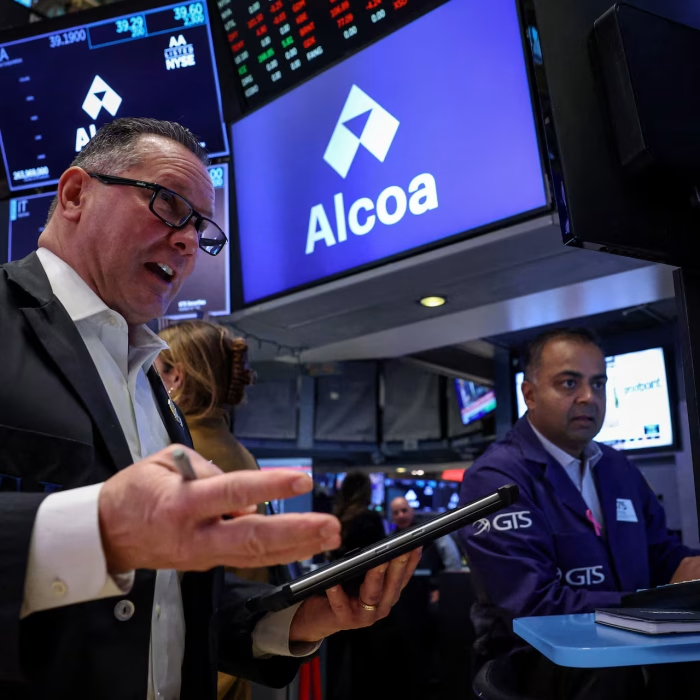
Sensex today delivered a classic comeback story. After a nervous start that pushed India’s benchmark indices into negative territory, the market steadily regained its footing through the session and finished firmly in the green. By the closing bell on Wednesday, the BSE Sensex had added 380 points, while the NSE Nifty climbed 150 points, as investors digested the outcome of the US midterm elections and kept a close watch on oil prices.
A Shaky Start to the Session
The day did not begin with much confidence. Within minutes of trading opening, the Sensex slipped more than 200 points, and the Nifty dropped over 60 points. The early weakness reflected a cautious mood among traders who were still waiting for clarity on several global developments, most notably the vote count in the United States.
Opening dips of this kind are common on days when major international events are unfolding overnight. Investors often prefer to trim positions first and ask questions later, especially when uncertainty hangs over the world’s largest economy. Wednesday’s early selling followed that familiar pattern.
How the Market Turned Around
As the session progressed, sentiment shifted noticeably. Buying interest returned, losses were gradually erased, and the indices moved into positive territory before extending their gains into the close.
A recovery of this size within a single day suggests that the initial fears were overdone. Once traders had more information to work with, many appear to have concluded that the global backdrop was not as threatening as the opening suggested. Bargain hunters also stepped in, picking up stocks that had softened during the morning decline.
The final tally, a 380-point gain for the Sensex and a 150-point rise for the Nifty, represents a swing of roughly 580 points for the Sensex from its early low, a meaningful intraday move that reflects how quickly mood can change on Dalal Street.
Why the US Midterms Matter to Indian Investors
It might seem surprising that elections thousands of miles away can move markets in Mumbai, but the connection is real. The United States plays an outsized role in global capital flows, trade policy, and currency movements, and its political direction can influence all three.
Here is why Indian investors pay attention:
Trade policy: The balance of power in the US Congress can shape tariff decisions and trade agreements, which directly affect Indian exporters in sectors such as IT services, pharmaceuticals, and textiles.
Foreign investment flows: Foreign portfolio investors are significant participants in Indian equities. Political shifts in Washington can alter their risk appetite toward emerging markets.
Dollar and interest rates: Fiscal policy debates in the US influence bond yields and the dollar, which in turn affect the rupee and the attractiveness of Indian assets.
Policy predictability: Markets dislike uncertainty. Once election results begin to clarify the political landscape, investors can price in likely outcomes rather than guessing.
Wednesday’s recovery hints that, as results came in, market participants found enough reassurance to return to buying.
Oil Prices Remain a Key Concern
While the midterms dominated headlines, crude oil stayed firmly on investors’ radar. Brent crude hovered close to $104 per barrel, an elevated level driven largely by uncertainty surrounding peace negotiations between the United States and Iran.
For India, oil is far more than a commodity price on a screen. The country imports the majority of its crude requirements, which means high prices ripple through the entire economy:
Inflation pressure: Costlier fuel raises transport and production costs, pushing up prices of everyday goods.
Wider trade deficit: A larger import bill strains the current account and can weaken the rupee.
Sector-specific pain: Airlines, paint makers, tyre companies, and chemical firms often see margins squeezed when crude stays expensive.
Fiscal strain: Higher oil prices can complicate government budgets, particularly if subsidies or tax adjustments come into play.
Any progress in US-Iran talks could ease supply concerns and bring prices down, which would be welcome news for Indian markets. Conversely, a breakdown in negotiations could keep crude elevated or push it higher. That uncertainty explains why traders are watching every development closely.
Reading the Day’s Price Action
Wednesday’s session offers a useful lesson in market behaviour. A weak opening does not always set the tone for the rest of the day. Markets respond to new information as it arrives, and early reactions are often driven by caution rather than conviction.
The fact that the indices closed near their highs rather than fading late in the session is also worth noting. Strong closes tend to signal genuine buying interest instead of short-lived bounces, though a single day is never enough to confirm a lasting trend.
What Investors Should Keep an Eye On
Looking ahead, several factors are likely to influence the direction of Indian equities in the coming sessions:
Final US election outcomes and what they mean for trade and fiscal policy.
Movement in Brent crude, especially any headlines from the US-Iran negotiations.
Foreign investor activity, which often reacts quickly to global political shifts.
Rupee performance against the dollar.
Domestic corporate earnings, which remain an important anchor for valuations.
For long-term investors, single-day swings matter far less than underlying business fundamentals. For short-term traders, however, days like Wednesday highlight how quickly global news can reverse momentum.
The Bottom Line
Sensex today proved that a rough start does not have to mean a bad finish. Despite opening more than 200 points lower, the benchmark staged a solid recovery to end 380 points up, with the Nifty adding 150 points alongside it. Investors weighed the US midterm results, balanced them against stubbornly high oil prices, and ultimately chose optimism. Whether that confidence holds will depend on how global politics and crude prices evolve in the days ahead.
Author