The Strait of Hormuz standoff has now stretched close to six months with no negotiations underway and none on the calendar, according to the president’s own account. What began as a regional confrontation has settled into a grinding contest over one of the most consequential waterways on earth.
Washington Says the Line Is Silent
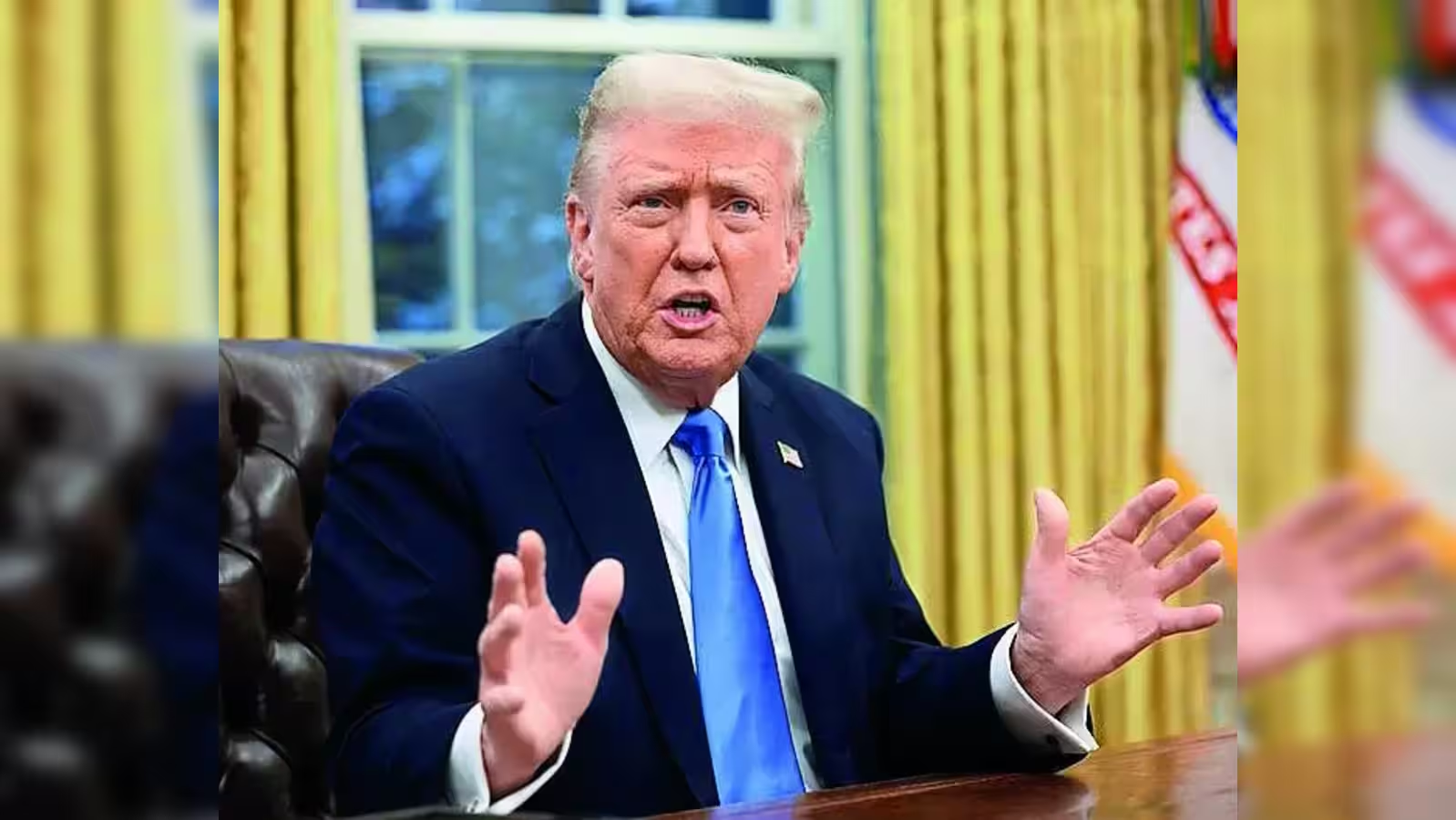
President Trump stated Tuesday that no dialogue is taking place with Iran to bring the war to a close, and that nothing has been scheduled.
His son-in-law and envoy Jared Kushner offered a similar assessment the previous day on Fox News, saying Iran has shown no interest in an agreement that would make sense from the American perspective.
That phrasing carries weight. It suggests the obstacle is not the absence of contact but disagreement over terms, which tends to be the harder problem to solve.
A Ship Hit in Transit
The risk to commercial traffic became concrete again on Tuesday. According to the British military, a commercial vessel was struck by what was described as an unknown projectile while passing through the strait.
One person was killed and the engine room sustained damage.
Attacks of this kind carry consequences beyond the immediate incident. Insurance underwriters reprice risk quickly, crews grow reluctant, and shipping companies begin weighing whether the route is worth using at all.
The Numbers Tell the Story
Data from the shipping analytics platform Kpler shows how sharply traffic has contracted.
- Confirmed crossings through the Strait of Hormuz fell 19.5 percent last week, dropping to 95 transits
- On Sunday, only three vessels made the passage
- All traffic used the Iranian-designated route, with nothing recorded on the Omani routes
- Transits through the Bab el-Mandeb Strait, linking the Red Sea to the Gulf of Aden, rose 6.7 percent to 254
- Dark transits, where vessels switch off the transponders broadcasting their position, dropped from 40 to 16
Three ships in a single day through a waterway that normally handles a substantial share of the world’s seaborne oil is a striking figure. The absence of Omani route crossings is equally telling, suggesting operators are following whatever channel Iran designates rather than exercising their own judgment about navigation.
The decline in dark transits cuts against expectations. Ships often disable transponders to avoid detection in dangerous waters. Fewer dark transits alongside fewer total crossings points to vessels simply staying away rather than sneaking through.
The UAE Cuts Ties
The most significant policy development came from Abu Dhabi, which announced a complete suspension of commercial relations with Iran.
A foreign ministry communications official said that in light of regional escalation, all trade, commercial exchanges and financial transactions with Iran have been stopped until further notice.
The decision followed an accusation that Tehran had fired two ballistic missiles at shipping in the Gulf.
Competing Accounts of the Missiles
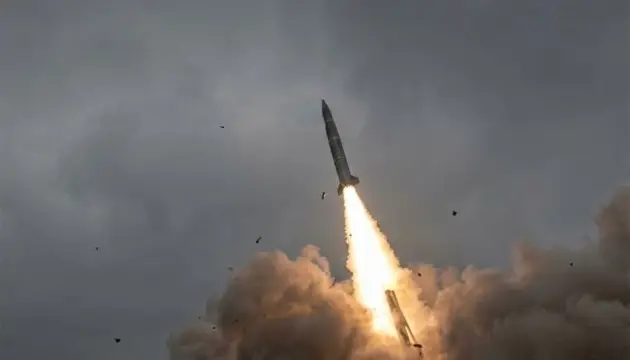
The UAE defense ministry said its air defenses detected two ballistic missiles launched from Iran toward the country. The first landed outside territorial waters. The second came down within them.
A later statement clarified the assessment: both missiles appeared aimed at maritime navigation and fell into the sea.
It marked the first time in months that the defense ministry had issued a warning about a missile threat to its territory.
Iran rejected the characterization. A foreign ministry spokesperson called the accusations baseless, according to Reuters.
The dispute leaves an unresolved question with real stakes. If the missiles targeted shipping generally rather than the UAE specifically, the distinction matters for how other Gulf states calculate their own exposure.
Why the UAE Sits at the Center
The Emirates occupies an unusually vulnerable position in this conflict.
When fighting began on February 28, the UAE absorbed more of Iran’s initial assault than any other country in the region, facing nearly 3,000 missiles and drones.
A memorandum of understanding took effect in June and brought a period of quiet. Unlike other Gulf states, the UAE reported no attacks while it held. That understanding has since expired.
Geography compounds the problem. Ships departing UAE ports must pass through the Strait of Hormuz to reach open water. Iran has warned the strait will stay closed until a peace agreement with the United States is reached, which means Emirati commerce is hostage to a negotiation the country does not control.
Friction Between Allies
Not all the tension runs between adversaries. The US ambassador to Turkey publicly criticized Israel on Tuesday over strikes on a Syrian airbase, describing them as an unnecessary escalation that does not advance regional stability.
Open American criticism of Israeli military action is notable. It suggests concern in Washington that additional fronts could complicate an already difficult situation, or that coordination among partners has slipped.
What This Means Beyond the Region
A prolonged closure of Hormuz reaches well past the Gulf.
Energy markets respond to transit volumes, not headlines, and a nearly twenty percent weekly decline registers. Rerouting adds days and cost to voyages. Alternative pipeline capacity exists but cannot absorb the full volume the strait normally carries.
The rise in Bab el-Mandeb traffic reflects vessels finding other paths, though that corridor carries its own security concerns and serves different origin points.
For importing nations far from the conflict, the practical effect arrives as higher costs and less predictable delivery schedules rather than as dramatic shortages, at least initially.
Where Things Stand
The picture that emerges is one of hardening rather than movement.
No talks are scheduled. Trade relationships are being severed rather than repaired. Shipping traffic is thinning. Accusations are exchanged and denied without independent resolution.
Six months in, the Strait of Hormuz standoff has become less a crisis with an expected endpoint and more a condition both sides appear prepared to sustain. That is usually the most difficult kind of conflict to end, because neither party feels enough pressure to move first.
Author