






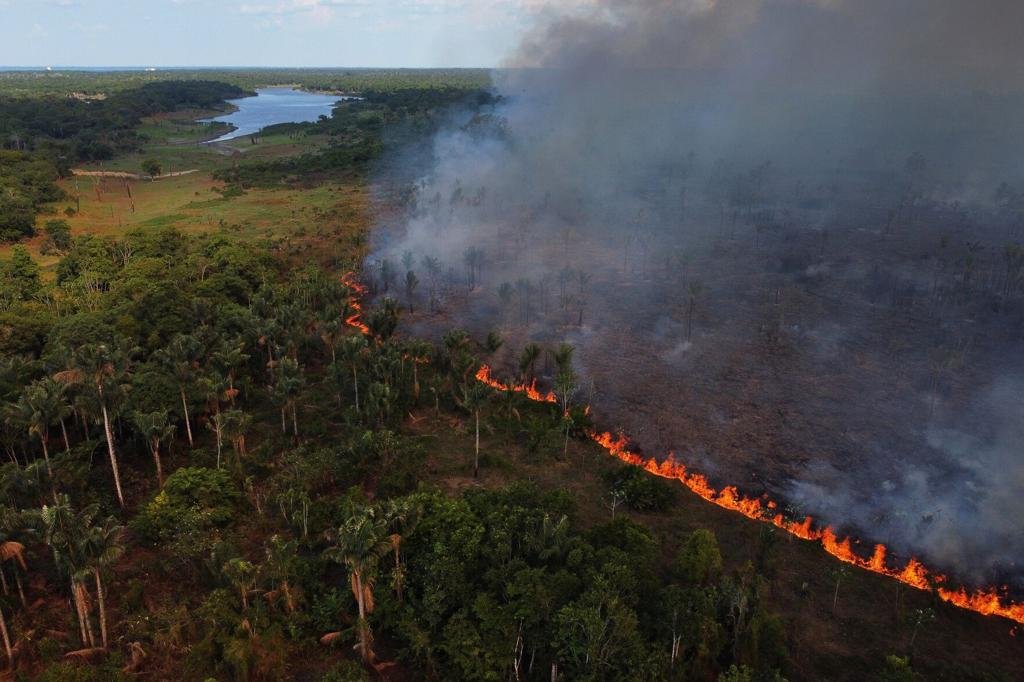
The 31st Conference of Parties (COP31) of the United Nations climate negotiations has begun in Antalya, Turkey, against the backdrop of a year marked by climate disasters, energy price shocks, and rapidly rising temperatures. The world has failed to limit global temperature rise to 1.5 degrees Celsius, with the fallout being felt globally through deadly heat waves in Europe and devastating flooding in Nepal.
As the conference kicks off, three stories about climate change are unfolding like popular movie genres:
- The horror story: Many scientists believe global warming is accelerating, with the UN readjusting its decade-old goal of limiting temperature rise to 1.5 degrees Celsius as the world surpasses this threshold.
- The love triangle: The world’s long-standing reliance on fossil fuels is being challenged by the growing appeal of cheaper and cleaner renewable energy. However, the continued use of both is hindering efforts to curb climate change.
- The war movie: Russia’s 2022 invasion of Ukraine and the recent US-Israel bombing of Iran have triggered energy shocks and skyrocketing fossil fuel prices, forcing nations to rethink their energy systems.
Key issues at COP31 include the implementation of promises to transition away from fossil fuels, with co-host Turkey pushing for increased global electricity use from solar and wind power. Negotiators will also discuss the provision of funds to poor countries for renewable energy adoption, climate adaptation, and recovery from climate-induced damage.
The absence of the United States, the world’s largest historic carbon polluter, from the conference poses a challenge to global climate efforts. The world is currently at 1.4 degrees Celsius of warming and is hurtling toward 2.6 degrees Celsius, according to the UN.
Experts emphasize the need to address the fundamental question of fossil fuel phase-out, with Brazil recently releasing a detailed roadmap for countries to transition away from these energy sources. The economic argument for transitioning to renewable energy is strengthened by the increasing affordability of solar and wind power, along with the growth of electric cars.
Youth activists express frustration at the lack of progress in climate negotiations, calling for urgent action to address the alarming scientific findings and the devastating impacts of climate change on their present and future.
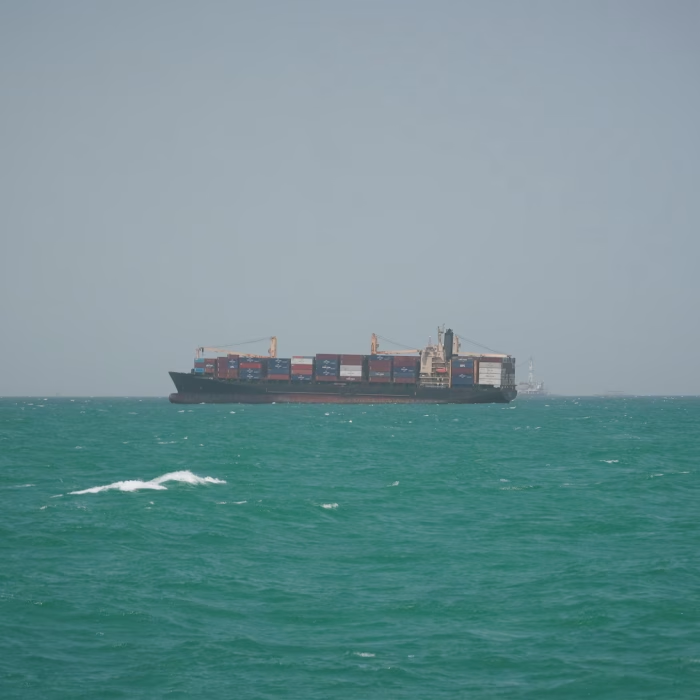
While the formal negotiations face challenges, much of the work at COP31 is expected to happen on the sidelines, with initiatives like Turkey’s goal to increase electricity’s share of global energy use through renewable power. However, the fragmented global context, exacerbated by the closure of the Strait of Hormuz and the absence of the United States, may hinder the conference’s ability to respond effectively to the pressing challenges affecting livelihoods and economies worldwide.
Author