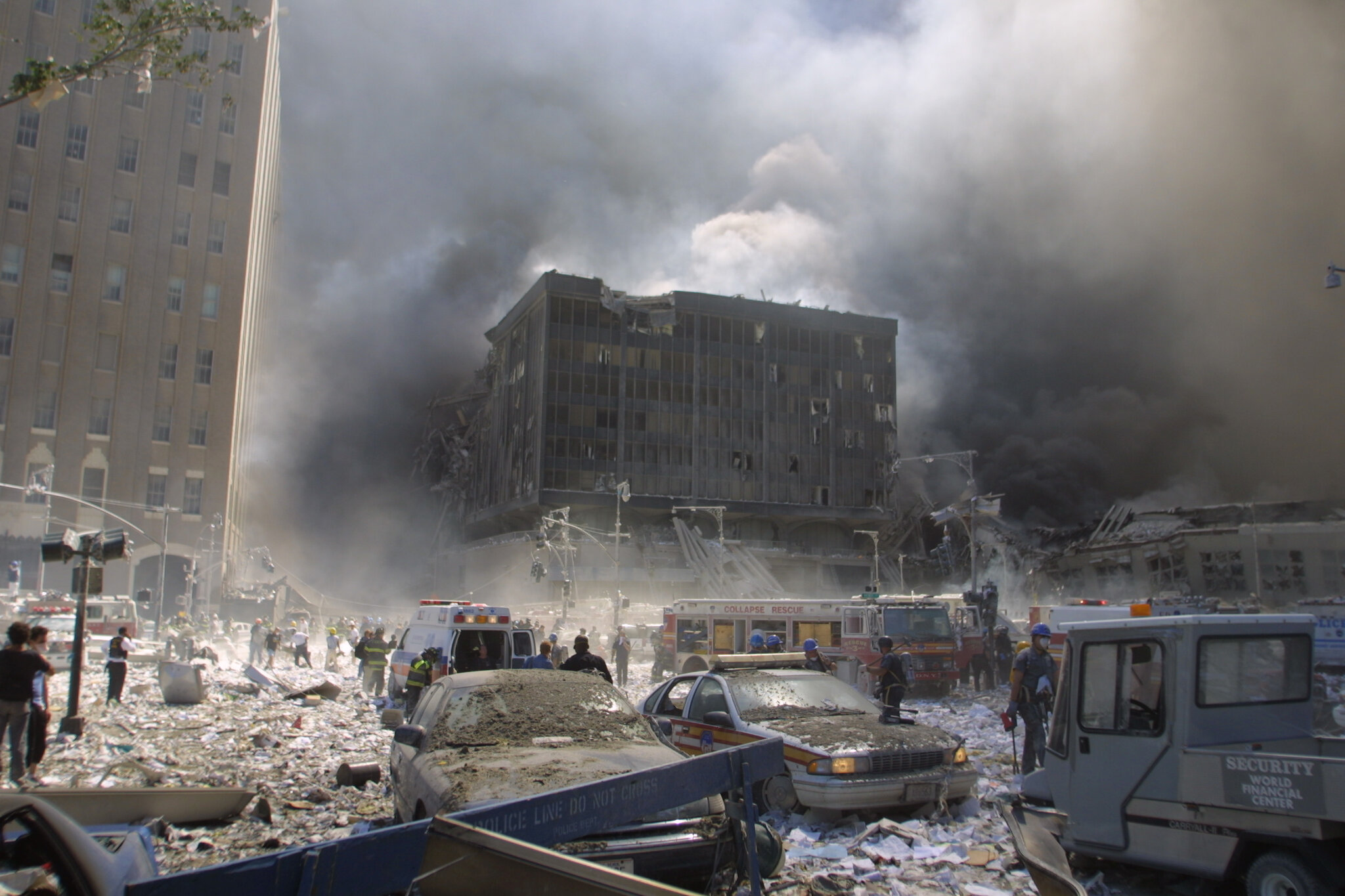
The 9/11 air quality records that survivors and first responders spent a quarter century trying to see are finally public. New York City Mayor Zohran Mamdani’s administration has released more than 170,000 pages of municipal documents covering the health effects of the September 11 attacks and how the city responded in the aftermath.
Mamdani announced the release on Tuesday, along with an online portal where anyone can search the material. The timing is deliberate. The documents went live three days before the 25th anniversary of an attack that killed nearly 3,000 people across New York City, Washington and Pennsylvania.
How the Documents Came Loose
None of this happened voluntarily. The release accompanies the settlement of two lawsuits brought by 9/11 Health Watch, an advocacy group that spent years in court pushing for access to files the city had kept sealed.
Mamdani framed that fight as a failure of government in itself. New Yorkers, he said, should never have had to battle for records that belonged in their hands from the beginning.
At a press conference, he was blunter about the human cost. The suffering, he said, did not stop once the smoke cleared and the dust settled. People became ill because leaders they trusted told them the air was safe to breathe when it was not.
What Is Actually in the Files
The 170,000 pages represent only a slice of the total body of air quality reporting generated at Ground Zero. Even so, the contents are significant.
Among the material is an internal memo showing that city officials were actively assessing their potential legal exposure over air quality. In other words, while the public was being reassured, parts of city government were quietly calculating what the fallout might cost.
Officials say the documents strengthen an already substantial case: the city understood that the air surrounding the twin towers was dangerous, and told the public otherwise.
The Warnings Nobody Acted On
Congressman Jerry Nadler, whose district included Ground Zero and the neighbourhoods around it, said he and his colleagues raised alarms with local and federal officials about airborne toxins at the time.
Those warnings, he said, went nowhere. What the records now confirm, in his account, is that City Hall under former Mayor Rudy Giuliani anticipated that thousands of responders and residents would suffer devastating long-term health consequences from exposure.
That gap between internal expectation and public messaging sits at the centre of the entire dispute.
Twenty-Five Years of Not Knowing How
City council member Gale Brewer described what the delay meant for ordinary people.
For a quarter of a century, she said, first responders, survivors, families, and everyone who lived, worked or attended school in lower Manhattan carried the medical consequences of that day while the city’s own records explaining how they became sick stayed locked away.
She called the new portal a strong first step toward returning that record to the public, noting that previous administrations had kept it out of reach.
The Question the City Avoided for Decades
Ben Chevat, executive director of 9/11 Health Watch, thanked Mamdani for being the first mayor in 25 years to begin answering the question his organisation has asked since the towers came down: what did the city know about the dangers of the toxic cloud, and when did it know it?
Chevat’s criticism reaches beyond any single administration. Four successive mayoral administrations, he said, withheld from the public, from Congress and from the city council documents revealing what officials actually understood about the toxic chemicals settling over lower Manhattan and western Brooklyn after the World Trade Center collapsed. Throughout that period, the official line to residents remained that the air was safe and acceptable.
Why This Still Matters
It would be easy to treat a document release as a bureaucratic milestone. It is not. Thousands of people who worked the pile, cleaned nearby buildings, or simply went back to their apartments and classrooms have developed respiratory illnesses and cancers in the years since. Many have died. Their families have spent decades fighting for recognition, medical coverage and answers about causation.
Records that establish what officials knew, and when, feed directly into that fight. They shape compensation claims, inform ongoing medical research, and settle historical questions that have been argued in public without the underlying evidence.
What Comes Next
The portal is a beginning rather than a conclusion. The released pages are a fraction of the total archive, which means researchers, journalists and attorneys will spend considerable time working through what is available and pressing for what is not.
There is also the matter of accountability. Documents showing internal awareness of risk alongside public assurances of safety raise questions that go well beyond record-keeping practice, and those questions now have paper behind them.
For the people who breathed that air, the anniversary this week will carry a different weight than previous ones. After 25 years of being told the record was unavailable, they can finally read part of it themselves.
Author