Ireland Beat Israel 3-0 in Nations League Clash Marked by Black Armbands and No Handshakes
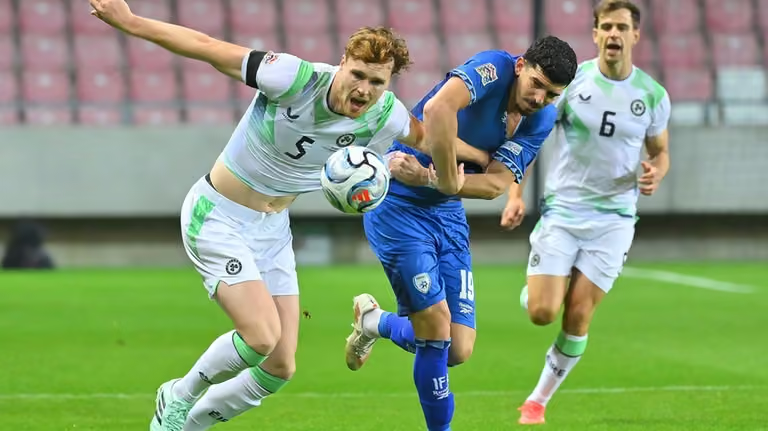
The Ireland vs Israel Nations League match on Sunday was always going to be about more than football. Played in Debrecen, Hungary, the fixture ended in a convincing 3-0 win for Ireland, but it was the silent gestures before kick-off that told the bigger story. Irish players took to the pitch wearing black armbands and made no attempt to shake hands with their Israeli opponents.
A Match Surrounded by Controversy
Back home in Ireland, the game had faced fierce opposition for weeks. Anger over Israel’s military actions in Gaza led to intense public pressure on the Irish squad to boycott both scheduled matches against Israel.
The team ultimately chose to play, but the tension surrounding the fixture was impossible to ignore. Players found themselves caught between their professional obligations and a strong wave of public feeling at home.
Goalkeeper Walks Away From the Squad
On the eve of the match, reserve goalkeeper Gavin Bazuno made the decision to withdraw from the squad for both games against Israel. He explained that his choice was rooted in a personal conviction that taking innocent lives is wrong.
His departure added another layer of emotion to an already charged occasion and showed just how difficult the situation had become for some members of the squad.
Silent Protest Before Kick-Off
The pre-match ceremonies made the Irish team’s position clear without a single word being spoken.
During the Israeli national anthem, the Ireland players stood with their heads bowed, eyes fixed on the grass and hands held behind their backs. It was a quiet but unmistakable statement.
When Ireland captain Dara O’Shea walked out to the centre circle for the customary meeting with officials, he kept his hands clasped firmly behind him. He did greet the referee and the assistant officials with a handshake, but he made no move to shake hands with Israel captain Manor Solomon.
Key moments from the Irish protest included:
- Black armbands worn by every Irish player
- Heads bowed during the Israeli anthem
- No handshakes exchanged between the two squads
- The captain keeping his hands behind his back at the coin toss
An Almost Empty Stadium
The atmosphere inside the ground in Debrecen was eerily quiet. Apart from a small pocket of Israeli supporters, the stands were largely deserted.
Irish fans were not meant to attend at all. A handful of Ireland supporters who had managed to secure tickets through the Israeli football federation later told Irish broadcaster RTÉ that their tickets had been cancelled on Saturday night.
Even so, a tiny group of roughly ten people, not wearing any team colours, could be seen celebrating when Ireland took the lead.
Ireland Blow Israel Away Early
Once the football began, Ireland wasted little time taking control.
Troy Parrott opened the scoring in the 13th minute, breaking the deadlock and settling any early nerves. Just three minutes later, Adam Idah doubled the lead, putting Ireland firmly in command.
The Irish side kept pushing, and Jack Moylan added a third goal in the 25th minute. With less than half an hour played, the contest was effectively over as a competitive match.
The Scoring Summary
- 13th minute: Troy Parrott gives Ireland the lead
- 16th minute: Adam Idah makes it 2-0
- 25th minute: Jack Moylan scores the third
Kelleher Keeps Israel at Bay
Israel came out with more urgency after the interval, and Ireland had to rely on goalkeeper Caoimhín Kelleher to preserve their clean sheet. He produced a strong second-half display, turning away several attempts to keep the scoreline intact.
Tempers Flare on the Hour Mark
With emotions already running high, it was perhaps no surprise that tension spilled over during play. Around the 60-minute mark, Adam Idah and Raz Shlomo clashed, sparking a heated moment between the two sides.
German referee Harm Osmers stepped in and showed yellow cards to both players, bringing the situation back under control.
Israel Without a Key Forward
Israel were also missing forward Sayed Abu Farchi, who was suspended for the game. He had been sent off in Thursday’s 3-1 defeat to Austria after his goal celebration, a decision that ruled him out of Sunday’s fixture.
His absence left Israel short of attacking options at a time when they badly needed goals.
Why the Matches Are Being Played Abroad
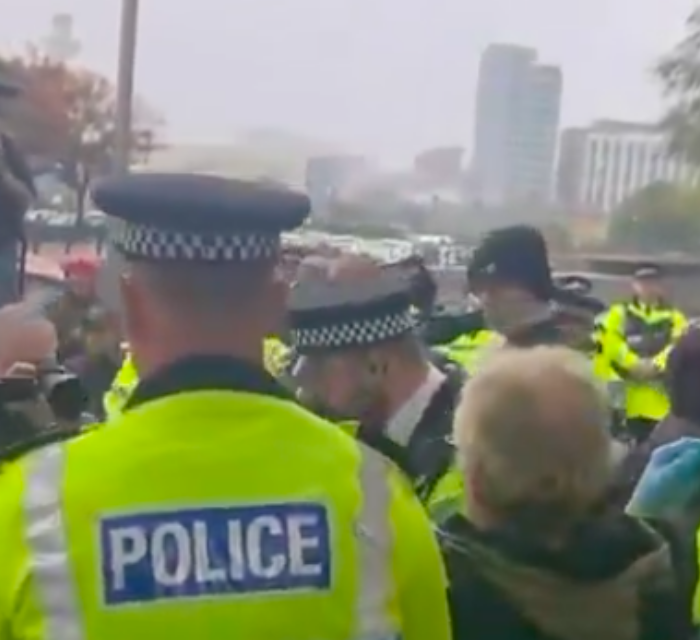
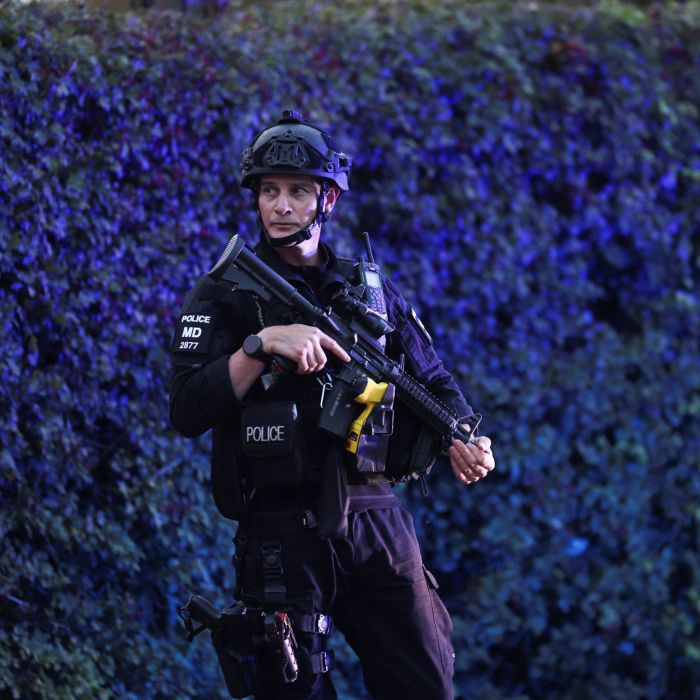
Neither game in this double-header is being held in Ireland or Israel. Sunday’s match took place in Hungary, while the return fixture has also been moved to neutral territory.
The decision reflects the security concerns and political sensitivities that have surrounded the tie from the start.
What Comes Next
The two sides will meet again on October 4. Although that game is officially Ireland’s home fixture, it will be played in Backa Topola, Serbia.
Given everything that surrounded Sunday’s match, the second meeting is likely to attract just as much attention off the pitch as on it. Questions will remain about whether the Irish players will repeat their protest, how supporters at home will respond and whether more players might follow Bazuno’s lead.
A Result Overshadowed by Politics
On paper, Ireland’s 3-0 win was a comfortable and impressive performance that strengthens their position in the Nations League. In reality, few will remember this match purely for its goals.
Instead, it will be remembered for bowed heads, black armbands and handshakes that never happened. It was a reminder that sport rarely exists in a bubble, and that sometimes the most powerful moments of a game take place before the first whistle even blows.
Author