The Bulgarian vessels Black Sea attack has pulled another NATO member into the shadow of the war in Ukraine. Bulgaria’s prime minister said two commercial ships were hit by drones on Tuesday, the first such attack on shipping in the country’s exclusive economic zone. Ukrainian President Volodymyr Zelenskyy blamed Russia, while Bulgarian authorities say the origin of the drones is still being investigated.
Bulgaria Calls It a Blatant Violation
Prime Minister Rumen Radev described the strike as unacceptable and a clear breach of international and maritime law. Sofia has not yet confirmed who launched the drones, and the claim of Russian responsibility has not been independently verified.
The incident follows a similar episode off Romania earlier this week, adding to worries that the conflict is spilling into NATO waters.
Kyiv Braces for Another Strike
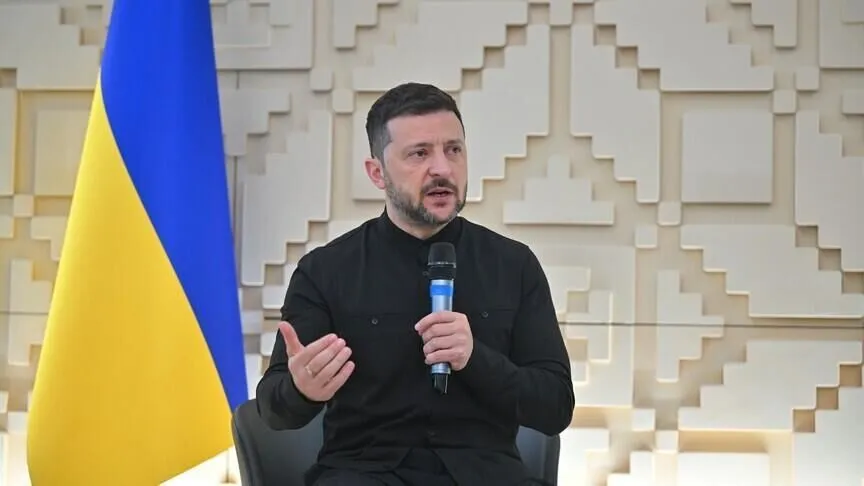
Explosions were heard in Kyiv on Wednesday after the military warned of a ballistic missile heading for the capital. Zelenskyy said in his nightly address that Russia was preparing a massive strike, and that Ukraine’s air force and services would respond as far as their defences allow.
Kyiv’s grid operator also ordered rolling blackouts after Russian attacks on energy infrastructure, running from mid-afternoon until the end of the day.
Ukraine Hits Russian Targets
Russia’s transport ministry said Ukrainian naval drones struck a Liberian-flagged oil tanker off the southern coast. It said crude oil burned on the water, producing a huge fire and a smoke cloud that covered parts of Sochi.
Russia’s defence ministry said its air defences intercepted nearly 900 Ukrainian drones overnight across multiple regions, Crimea and the Sea of Azov. Unconfirmed reports said a major fuel depot in the Moscow region caught fire in the attack, which reportedly killed two people.
In the occupied part of Zaporizhzhia, Moscow-installed officials said a Ukrainian drone hit a minibus, killing three people, including the driver, and wounding three more.
Moscow Dismisses Germany’s Warning
The Kremlin rejected comments by Germany’s foreign intelligence chief, Martin Jaeger, who warned of a rising risk of direct conflict and accused Russia of an increasingly aggressive shadow war against European democracies. Moscow called the remarks baseless and a ploy to justify defence spending.
Sanctions and Oil Flows
EU envoys were expected to approve around 1,650 new sanctions designations on Wednesday, mostly aimed at Russia’s military-industrial complex. It would be the largest single set since the full-scale invasion began in 2022.
Separately, Ukraine said oil supplies routed through South Korea helped Russia offset refinery losses. The Guardian reported that 176,000 tonnes of oil products were shipped through South Korea in July and August, based on port records and ship-tracking data. Zelenskyy’s sanctions adviser, Vladyslav Vlasiuk, said this sharply contradicts South Korea’s sanctions policy.
What to Watch Next
- Bulgaria’s findings on who launched the drones
- The scale of the expected Russian strike on Kyiv
- Approval and impact of the EU sanctions package
- Any response from South Korea on the oil shipments
The Bottom Line
The war is increasingly reaching beyond the front lines, from NATO coastal waters to power grids and refineries. With a new Russian strike expected and sanctions tightening, pressure on all sides continues to build.
Author