






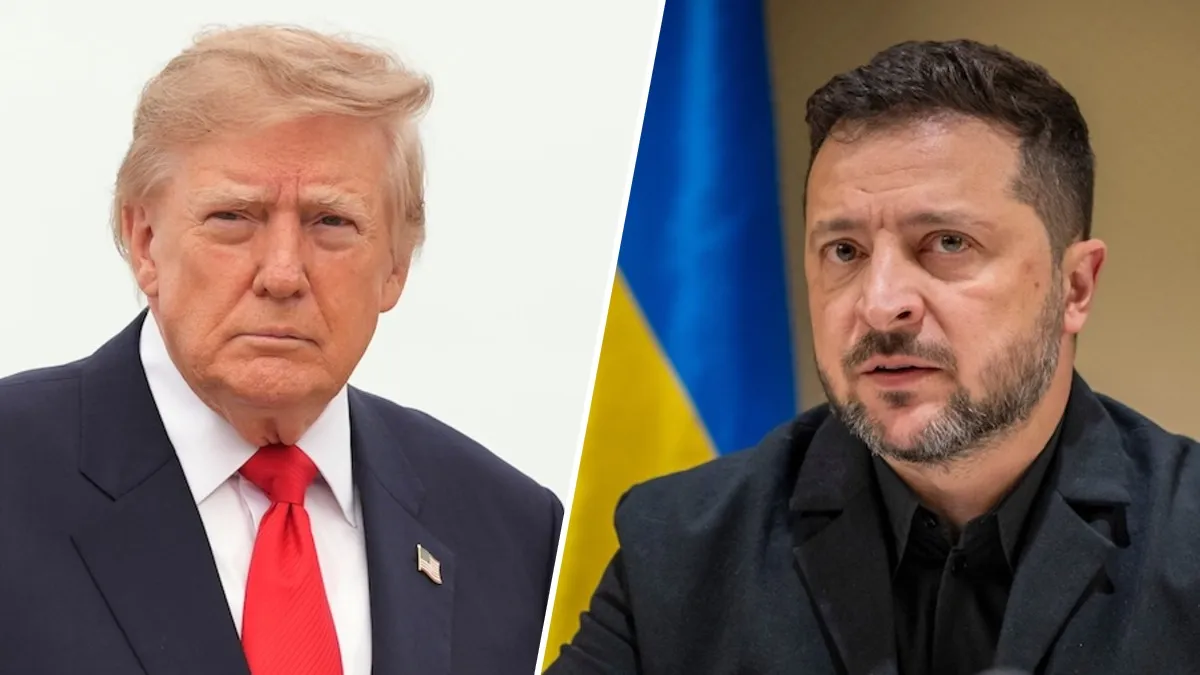
Trump Turns on Zelenskyy as Diesel Prices Bite Ahead of Midterms
Trump Zelenskyy tensions have flared again, and critics argue the timing is no accident. With the midterm elections just weeks away, President Donald Trump is contending with voters furious about the cost of living, forecasts that Republicans could lose the House and possibly the Senate, and a war in Iran that has settled into a costly stalemate.
Ukrainian President Volodymyr Zelenskyy has nothing to do with any of those problems. Yet over the past week, he has become a favourite target of a visibly frustrated president. To Trump’s detractors, the pattern is familiar: when political pressure mounts, Ukraine ends up in the crosshairs.
How the Iran War Fed a Fuel Price Crisis
The roots of the current dispute trace back to late February, when the United States launched military action against Iran. Global energy markets reacted immediately, and prices climbed sharply. American drivers have been paying more at the pump ever since, while the spike in diesel costs has landed especially hard on farmers already operating on thin margins.
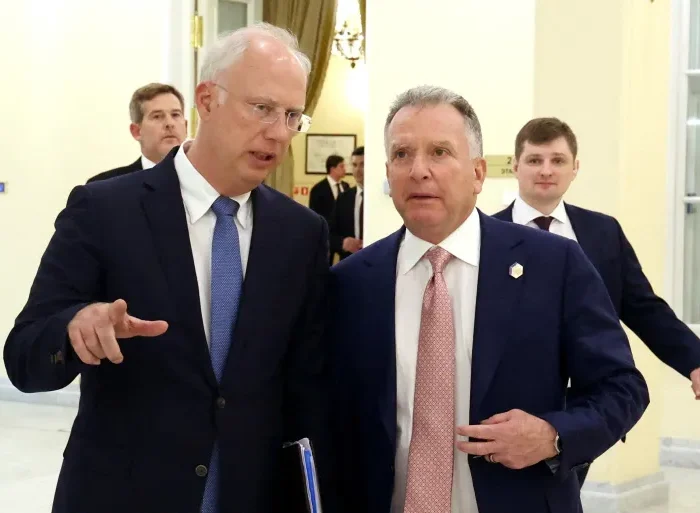
Earlier this month, Trump unveiled what he presented as a solution. He announced an arrangement with Russian President Vladimir Putin under which the United States would import Russian diesel in an effort to push prices down.
Why Experts Doubt the Russian Diesel Deal
Energy analysts were quick to pour cold water on the plan. Their objections run along two lines.
First, the deal would channel billions of dollars to Moscow at a moment when that money can be used to sustain its invasion of Ukraine.
Second, it is unlikely to move global prices in any meaningful way. The diesel Russia would ship abroad is fuel its own economy still needs, which keeps overall demand and prices elevated.
Zelenskyy publicly criticised the arrangement, pointing out the obvious contradiction in funding the country attacking his own. That criticism appears to have triggered Trump’s anger. Rather than engage with the substance, the president blamed Ukraine’s strikes on Russian oil refineries for the high price of diesel.
“Time for Ukraine to Get a New President”
On October 10, Trump told reporters that Ukraine should find a different leader, someone capable of striking a deal, and declared that it was time for the country to replace its president. The remark was striking even by the standards of a relationship that has rarely been warm.
A day later, Trump claimed that Russia and Ukraine had agreed to an “energy ceasefire.” Both governments promptly denied any such agreement existed. Zelenskyy soon resumed retaliatory strikes on Russian energy infrastructure, a response to months of Russian bombardment of Ukraine’s own electrical grid, which only deepened Trump’s irritation.
A Series of Moves That Hurt Kyiv
What followed has alarmed Ukraine’s supporters in both parties. Within days, the administration took several steps that critics describe as punishment for a problem Trump himself created.
Ukraine’s access to Starshield, the military-grade satellite internet service run by SpaceX, was disrupted last week. Elon Musk stated that any decision to cut service originated with the U.S. government rather than his company. Reuters later reported that the instruction came from within the White House, although officials insisted the president personally had not made the call.
Then on Friday, Trump signed an executive order delaying a fresh round of sanctions on Russia. The order cited the national interest without explaining how holding off on penalties against Moscow served it. By Monday evening, the White House had still offered no clarification. The move drew condemnation from lawmakers across the aisle, but the president showed no sign of reconsidering.
A Decade of Grievance Toward Ukraine
Those who follow Trump’s foreign policy note that his hostility toward Kyiv is not new. For roughly ten years, Ukraine has surfaced as a target whenever the president feels politically cornered.
After the 2016 election, U.S. intelligence agencies concluded that Russia had run a sweeping campaign to influence American voters. The resulting investigations into possible links between Trump’s campaign and that effort infuriated him, and he embraced a discredited theory that shifted responsibility onto Ukraine. In that version of events, Ukraine supposedly framed Russia for hacking Democratic National Committee emails and hid a compromised server.
That belief helped drive the episode that led to Trump’s first impeachment. Military aid worth billions was withheld from Ukraine in an effort to pressure the newly elected Zelenskyy into hunting for the imaginary server and opening a corruption probe into Joe Biden and his son.
Since returning to office, Trump’s dealings with Zelenskyy have ranged from lukewarm to openly hostile. The public dressing-down of the Ukrainian leader in the Oval Office last year, with Vice President JD Vance joining in, marked a low point. Trump continues to fault Zelenskyy for not reaching a settlement with Russia, even as most observers regard Putin as the primary obstacle to any lasting peace.
Is the Strategy Working?
The central criticism of Trump’s approach is not simply that it harms Ukraine, but that it serves no coherent strategic purpose. Cutting satellite access, pausing sanctions and publicly undermining an allied head of state do nothing to lower diesel prices or improve Republican prospects in November.
Polling suggests American voters are not persuaded that a country more than 5,000 miles away is responsible for what they pay at the pump. The attempt to redirect frustration toward Kyiv appears to be falling flat.
The Bottom Line
Supporters of the president argue that Ukraine’s refinery strikes genuinely affect fuel markets and that Zelenskyy has been inflexible in negotiations, making a deal harder to reach. They also contend that importing Russian diesel is a pragmatic response to a real supply problem.
Critics counter that the fuel crisis stems from the Iran war, that the Russian deal enriches an adversary without lowering prices, and that punishing a besieged ally during an election season is both ineffective and damaging to American credibility.
What is clear is that a country fighting for its survival has once again become entangled in American domestic politics, and that the fallout is landing on Ukraine at a moment when it can least afford it.
Author