





Pope Leo XIV Makes History as the First Pontiff to Cast a Ballot in a US Election
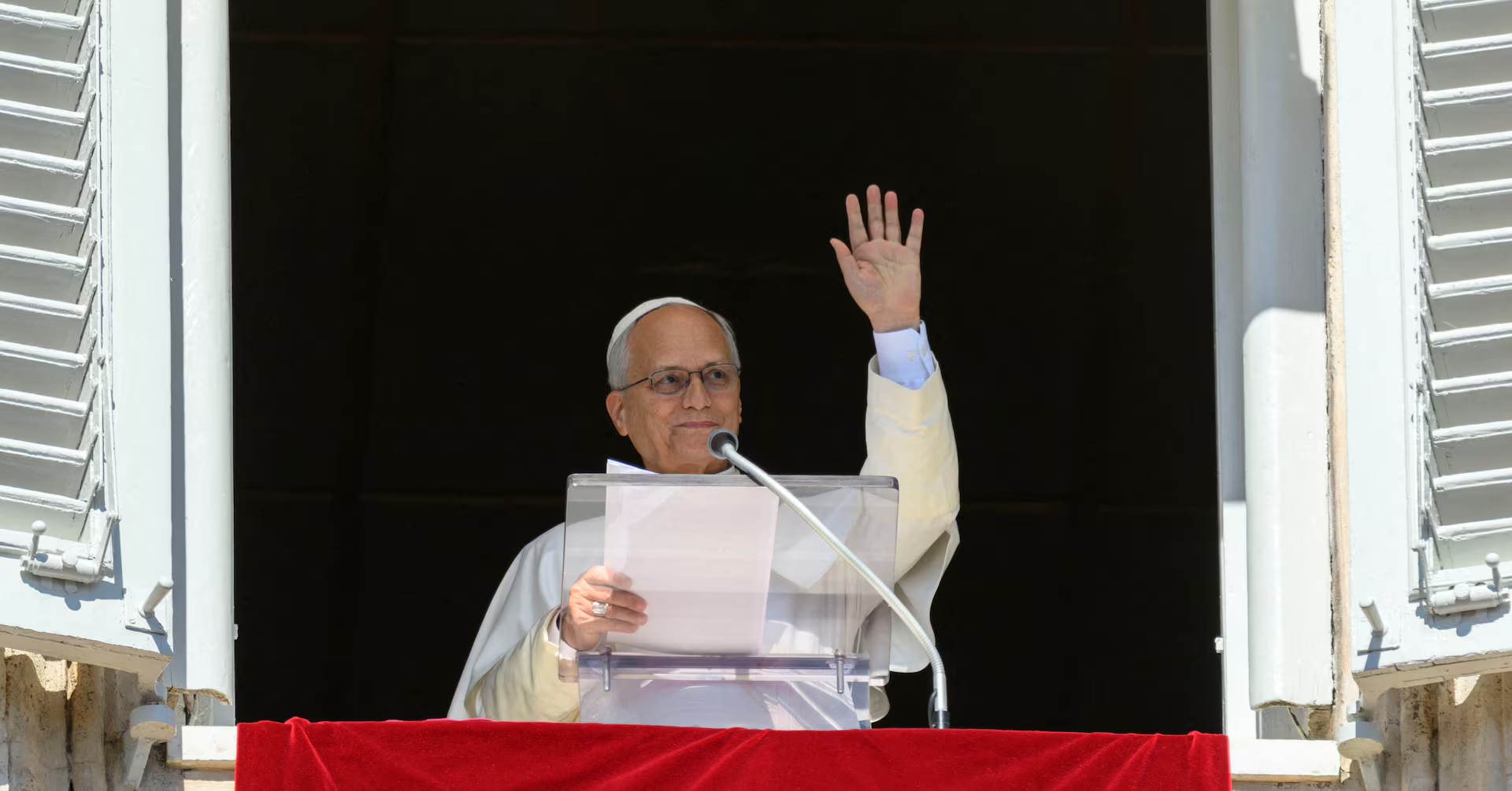
Pope Leo votes, and in doing so he has written a new line in the history of both the papacy and American democracy. The Vatican confirmed on Friday that the Chicago-born pontiff submitted a mail-in ballot in his home city ahead of the November 3 midterm elections, becoming the first pope ever to participate in a United States general election.
For a man who spent most of his adult life as Robert Prevost, a priest, missionary, and bishop, the act is less a political statement than a continuation of a habit he has kept for decades.
What the Vatican Said
The Holy See’s press office framed the decision in simple terms. The pope, it said, exercised his right as an American citizen, just as he has done at every opportunity when eligible. The statement went on to describe his conviction that taking part in democratic life is both a right and a responsibility of citizenship.
Notably absent from the announcement was any mention of how he voted. The Vatican did not disclose which candidates received his support, and there is no indication it ever will.
Reaction From American Bishops
The US Conference of Catholic Bishops welcomed the news while using it to reinforce a familiar message. In a note responding to the pope’s ballot, the conference encouraged Catholics to place faith ahead of partisan loyalty and to vote with human dignity and the common good in mind.
Chieko Noguchi, the conference’s director of public affairs, said the pope’s participation sets an example that should inspire every citizen to fulfil their civic duties.
A Pope With Three Passports
Leo’s situation is unusual even by the standards of a role that is unusual by definition. He holds citizenship in three places:
The United States, where he was born and raised in Chicago.
Peru, where he served as a priest and bishop for more than two decades.
Vatican City, where he is head of state.
American law permits citizens living overseas to vote by absentee ballot, and that includes people employed by foreign governments. Serving a foreign state does not automatically strip an American of citizenship. However, the State Department notes on its website that it may take a closer look at the citizenship status of Americans who hold positions such as foreign head of state, head of government, or foreign minister. As the sovereign of Vatican City, Leo falls squarely into that category, though there is no sign that any review has been initiated.
What Is on the Ballot in Illinois
The pope’s ballot was cast in Illinois, a reliably Democratic state. This year’s contests there carry significant weight:
Voters will pick a successor to Senator Dick Durbin, who is retiring after a long career.
Governor JB Pritzker is seeking another term.
The outcomes are unlikely to hinge on a single mail-in vote from Rome, but the symbolism of a pope weighing in on a Senate race and a governorship is hard to ignore.
A Consistent Voter, Not a Partisan One
Public records in Illinois offer a glimpse of Leo’s voting history before he became pope, though they stop short of revealing his preferences. Since 2000, he has participated in five primary elections under his birth name. Because Illinois requires voters to request a specific party’s ballot in primaries, the records show which party’s primary he took part in, but not which candidates he backed.
The pattern is strikingly mixed:
In 2008 and 2010, while registered in heavily Democratic Cook County, he requested Democratic primary ballots.
After relocating to the more conservative Will County, he requested Republican primary ballots in 2012, 2014, and 2016.
That history makes it difficult to pin a partisan label on him. It is consistent with someone engaging with the races most relevant to his local community rather than following a fixed party identity.
A Papacy Marked by Friction With Trump
Leo’s civic participation lands at a moment when his relationship with the current US administration is openly strained. Since his election to the papacy in May 2025, President Donald Trump has criticised him on several occasions.
The friction has centred on two issues. The pope has repeatedly condemned the US-Israel war on Iran, and he has challenged the administration’s aggressive approach to immigration enforcement. Earlier this year, Trump labelled Leo weak and described him as under the sway of the radical left, triggering an unusually public exchange between the White House and the Holy See.
Leo did not back down. He told reporters that he had no fear of the Trump administration and would continue to speak plainly about the Gospel’s message, which he described as the Church’s core mission.
Against that backdrop, the Vatican’s refusal to disclose his vote is telling. It allows the pope to model civic engagement without being drawn into an explicit endorsement that could inflame the dispute further.
Why This Moment Resonates
The novelty of a voting pope is obvious, but the deeper significance lies in what it says about Leo’s understanding of his dual identity. He has not treated the papacy as a reason to withdraw from the obligations of American citizenship. Instead, he has chosen to demonstrate that spiritual leadership and civic responsibility can coexist.
For American Catholics, who make up a substantial share of the electorate and are often divided along the same lines as the rest of the country, the example is pointed. The bishops’ appeal to put faith before politics gains weight when the pope himself quietly fills out a ballot without broadcasting his choices.
Looking Toward November 3
As the midterms approach, the question of whom the pope supported will likely remain unanswered. What is clear is that Leo intends to keep exercising a right he has valued since long before he wore white. In a political climate where nearly everything becomes a partisan signal, a pope who votes but keeps his counsel may be the rarest thing of all.
Author