






Musk and CZ Spar Over SpaceX Shares as Binance Reels From Record $6.4 Billion Hack
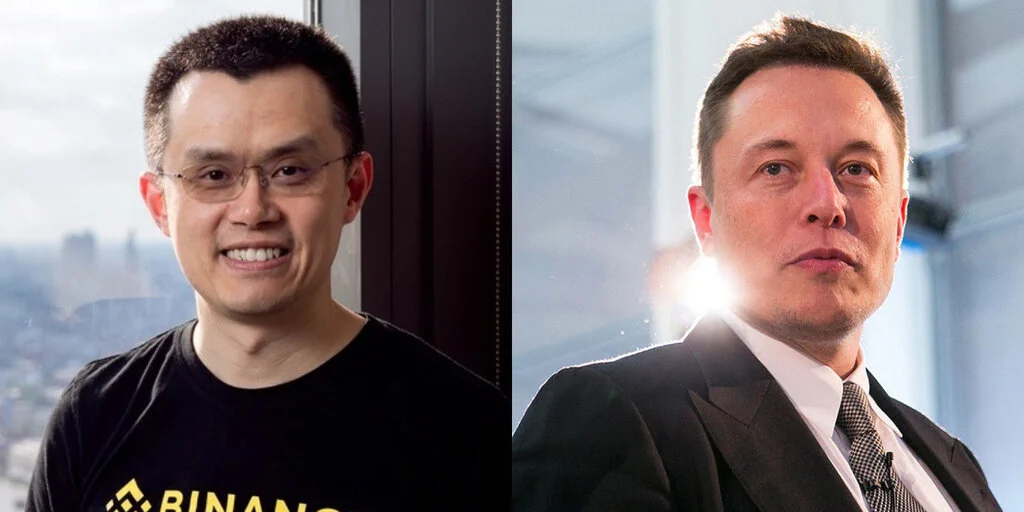
The Binance hack has already earned a grim distinction as the biggest theft in cryptocurrency history. Now it has produced an unexpected sideshow: a public spat between Elon Musk and Binance co-founder Changpeng Zhao, better known as CZ, over a billion-dollar stake in SpaceX. What began as a single emoji from the world’s richest man turned into a pointed reminder that Binance once bankrolled Musk’s takeover of Twitter, and that the exchange is not, in CZ’s telling, anywhere close to collapse.
How the Argument Started
The trouble began on X, where a user estimated that Binance’s net losses from the attack might settle around 1 billion dollars once frozen funds are accounted for, a manageable figure for an exchange holding roughly 144 billion dollars in customer assets. CZ replied that the actual damage could be somewhat higher but that Binance would absorb it.
Musk then weighed in with nothing more than a grimacing emoji. The gesture prompted another user to resurface an old post by former FTX chief Sam Bankman-Fried, who had insisted his exchange could cover its obligations shortly before FTX imploded in 2022. The implication was hard to miss: Musk seemed to be hinting that Binance’s reassurances sounded familiar.
Musk offered no explanation, but the comparison clearly stung.
CZ Pushes Back
CZ responded directly, telling Musk he held him in high regard but that this was the wrong moment for mockery. He asked Musk to stop and pointed to a concrete fact: Binance’s SpaceX shares, acquired through its 500 million dollar contribution to Musk’s Twitter acquisition, are now worth more than a billion dollars. He suggested a little support would be welcome.
The reference carried a subtle edge. Binance had helped finance one of Musk’s most ambitious deals, and CZ was reminding him of that relationship at the very moment Musk appeared to be casting doubt on the exchange’s solvency.
A Co-CEO Joins In
The exchange took a lighter turn when Binance co-CEO Yi He posted a tongue-in-cheek message addressed to CZ as the company’s major shareholder. She reported that Binance’s revenue for the year is enough to cover the losses, meaning there is no need to sell the SpaceX shares he is so optimistic about. She finished with a shrugging emoji.
Her post appeared to respond to speculation that Binance might need to liquidate its SpaceX stake. CZ quickly clarified that he had never suggested any such thing. His mention of the shares, he explained, was simply meant to illustrate the resources Binance has on hand and to reassure Musk about the company’s financial footing.
The Scale of the Theft
Behind the social media drama lies a staggering security failure. On Thursday, October 29, attackers drained at least 6.4 billion dollars in cryptocurrency from wallets linked to Binance across several blockchains. Early reports put the outflow at 5.57 billion dollars across Ethereum, Bitcoin, and Tron before the full picture emerged.
The thieves moved funds through a series of transactions, including a single transfer of more than 1.6 billion dollars in USDT to a freshly created Ethereum address.
Who Is Behind It
Blockchain analytics firms TRM Labs and Chainalysis attributed the attack to TraderTraitor, a hacking group tied to North Korea. The same group was blamed for the 1.5 billion dollar Bybit breach in February 2025, which held the record for the largest crypto theft until this week. Chainalysis placed the Binance loss at approximately 6.4 billion dollars.
North Korean state-linked hackers have become the dominant threat in cryptocurrency theft, with stolen funds widely believed to help finance the regime’s weapons programmes.
The Recovery Problem
The incident has highlighted a structural weakness in how stolen crypto can be clawed back. Stablecoin issuers Tether and Circle acted quickly, freezing about 1.8 billion dollars in USDT and USDC linked to the attackers in their initial response and eventually locking up 2.39 billion dollars in total.
Ethereum, however, cannot be frozen by any central authority. The attackers exploited that gap by converting assets through decentralised platforms:
Uniswap, a decentralised exchange, allowed them to swap tokens without an intermediary’s approval.
Aave, a lending protocol, let them borrow ETH against stablecoin collateral.
Tracking by Decrypt identified wallets receiving tens of thousands of ETH through these channels, including one that borrowed 19,762 ETH against roughly 60 million dollars in USDT. Once in Ethereum, the funds became far harder to intercept.
Binance’s Response
The exchange has moved to reassure users. Binance says it has set aside more than 6.34 billion dollars in company funds to cover the losses, including 5 billion dollars already held in the same tokens that were stolen. It is acquiring the remaining assets through open-market and over-the-counter purchases, a process that can be slow for tokens with thin liquidity.
Yi He’s remark about annual revenue covering the shortfall reinforces the message that customer funds are not at risk and that the company’s SpaceX holdings remain untouched.
Why the FTX Comparison Matters
Musk’s emoji landed because the FTX collapse remains the crypto industry’s defining trauma. Bankman-Fried’s assurances proved hollow, and customers lost billions. Any hint that another major exchange might be in a similar position can trigger panic withdrawals, which themselves can turn a manageable loss into a crisis.
CZ’s insistence on transparency about Binance’s reserves, and his public reference to the SpaceX stake, are designed to prevent exactly that kind of spiral. Whether users find the reassurance convincing will become clear in withdrawal data over the coming days.
What Comes Next
Several questions remain open:
How much of the stolen 6.4 billion dollars will ultimately be recovered.
Whether Binance can rebuild its reserves of illiquid tokens without moving markets.
How the industry addresses the exploitation of decentralised protocols for laundering.
Whether the Musk-CZ exchange damages a relationship built on the Twitter deal.
For now, Binance is projecting confidence, CZ is defending the company’s balance sheet, and Musk has gone quiet. The hackers, meanwhile, have moved billions into assets that no one can freeze.
Author