At least 43 people are dead after a rebel group with ties to ISIS tore through a village in northeastern Democratic Republic of Congo, setting homes ablaze and killing residents with machetes. The Congolese army confirmed the attack Thursday, and authorities warn the numbers could climb as search operations continue in the affected area.
What Happened in Bafwakoa — and Who Is Responsible
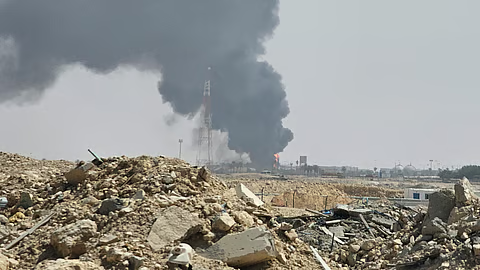
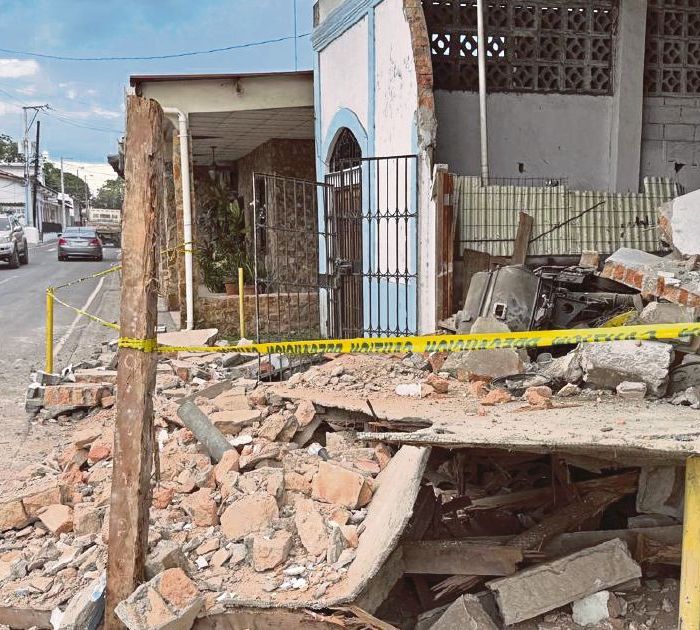
The attack struck the village of Bafwakoa in Mambasa territory, located in the province of Ituri. Regional army spokesperson Lieutenant Jules Tshikudi Ngongo confirmed that at least 43 people lost their lives and 44 houses were burned to the ground during the assault. Two people were also abducted.
Eyewitness accounts paint a horrifying picture. Some victims were killed with machetes. Others burned alive inside their homes as attackers set fire to the buildings around them. Local customary official Christian Alimasi described the scenes to Reuters, and the territorial administrator of Mambasa, Baptiste Munyapandi, confirmed that search teams were still combing the area — meaning the confirmed death toll may not yet reflect the full scale of the tragedy.
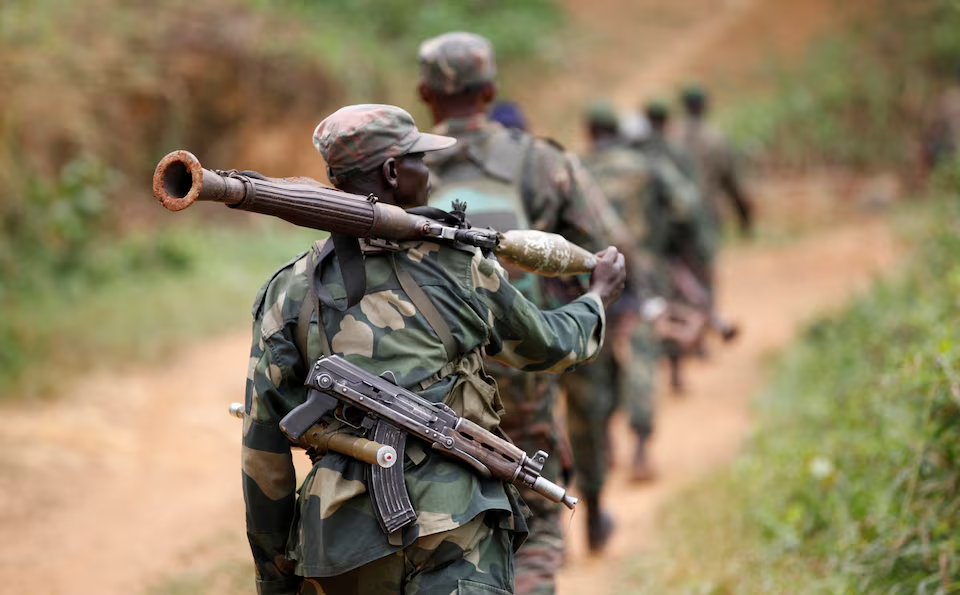
The Congolese army blamed the attack on the Allied Democratic Forces — known as the ADF — an armed group originally formed by Ugandan rebels that has since pledged allegiance to ISIS and operates extensively across eastern DRC.
Who Are the ADF — and Why Can’t They Be Stopped?
The ADF has been a destabilising force in eastern Congo for years, but their attacks on civilians have grown noticeably more frequent and more brutal in recent months, particularly across Ituri and the neighbouring province of North Kivu. Despite joint military operations launched by Congolese and Ugandan forces back in 2021, the group has proven remarkably difficult to neutralise.
Part of the reason is their deliberate strategy of avoiding direct confrontation with armed forces. Instead, they target unprotected civilian communities — a calculated approach that spreads fear, undermines peace efforts, and punishes local populations.
“The ADF avoids direct combat with the army and all its partners. That’s why they attack the population — to sabotage peace efforts and take reprisals against our people.”
— Lieutenant Jules Tshikudi Ngongo, Congolese Army Spokesperson
Last year alone, the ADF killed 66 people and abducted several others in a neighbouring area — a grim reminder that Thursday’s attack is not an isolated incident but part of a sustained campaign of violence against civilians.
The Scale of the Crisis in Eastern DRC
Research organisation Insecurity Insight, which tracks verified violent incidents affecting civilians, found that the ADF was responsible for roughly a quarter of all reported civilian violence in eastern DRC between 2020 and 2025. That’s a staggering share of suffering attributable to a single armed group.
The Congolese army is fighting on multiple fronts simultaneously, which stretches its capacity thin. The most high-profile of those battles involves the Rwandan-backed M23 rebel movement, which seized Goma — eastern DRC’s largest city — last year, along with several other major urban centres. With so many active conflicts pulling resources in different directions, containing the ADF has become even more difficult.
A Region That Continues to Pay an Unimaginable Price
Behind every statistic in this story are real communities — families who lost loved ones, homes reduced to ash, and survivors left to pick up the pieces in an area where international attention remains frustratingly limited. The attack on Bafwakoa is the latest chapter in a conflict that has displaced millions and claimed countless lives across eastern Congo over more than two decades.
As search operations continue and the full death toll comes into focus, one thing is already certain: the people of Ituri are once again burying their dead while the world struggles to find an answer to a crisis that shows no signs of ending.
Author