Iran Nuclear Proposal Rejected as Washington Holds Firm on Key Demands
The Iran nuclear proposal rejected by Washington underscores just how deeply entrenched the standoff between the two nations has become. The United States has shown little appetite for Tehran’s latest offer, which sought to end the ongoing war and reopen the strategically critical Strait of Hormuz without first resolving the contentious dispute over Iran’s nuclear program.
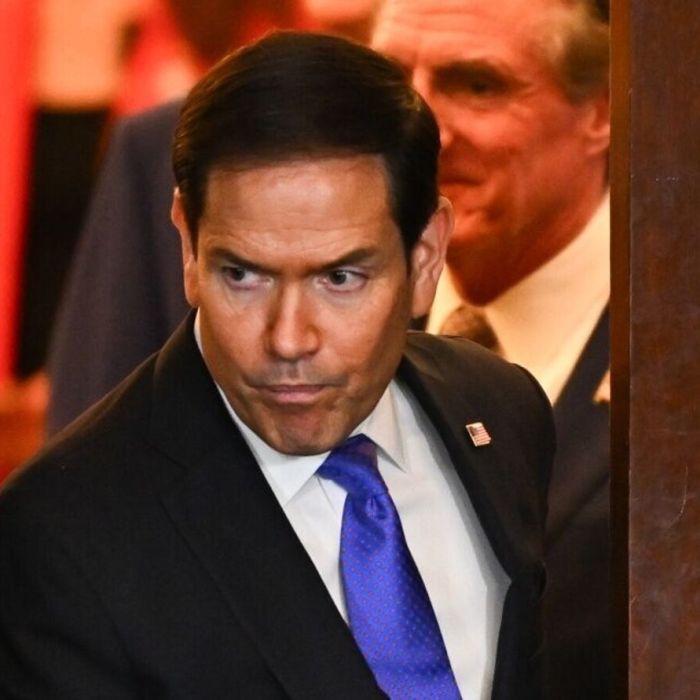
Secretary of State Marco Rubio acknowledged late Monday that this latest Iranian pitch looked better than previous attempts, but his tone made clear that better isn’t the same as good enough. The Trump administration has repeatedly emphasized that any agreement must include a definitive halt to Iran’s nuclear ambitions, and the new proposal didn’t deliver on that front.
Energy Markets React Swiftly
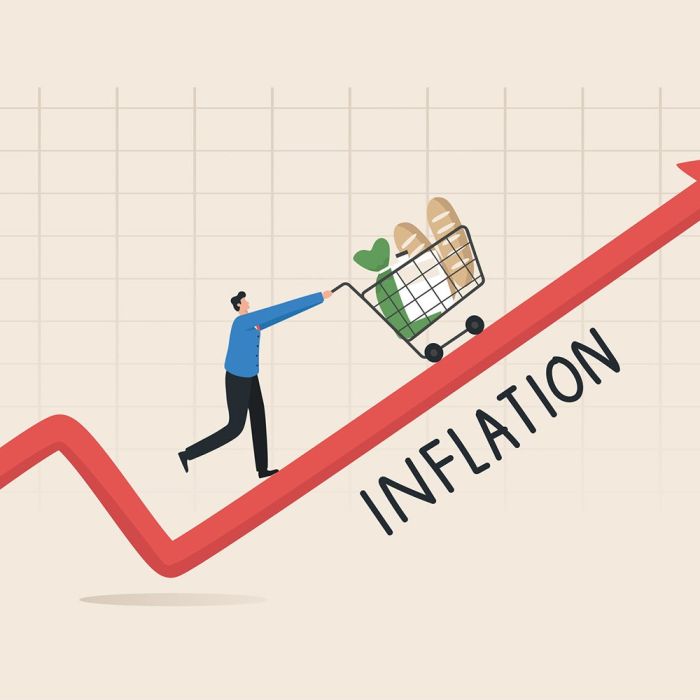
The negative signals from Washington had immediate consequences in global energy markets. Brent crude, the international benchmark for oil, climbed past $111 per barrel in early Tuesday trading, reaching its highest level in roughly three weeks.
For an already-strained global economy, the surge in prices is yet another blow. Industries across continents that rely on stable energy supplies are now bracing for additional disruption as hopes of a quick resolution continue to fade.
What the Iranian Proposal Actually Offers
According to a Gulf source and a regional source who spoke with NBC News, Tehran’s latest offer focuses heavily on reopening the Strait of Hormuz, the vital shipping route whose closure has rattled the global economy. The proposal would also formally end the war that the United States and Israel launched against Iran two months ago.
The catch is that nuclear talks would be deferred until a later date. The Iranian side wants to deal with the most pressing economic and military matters first, putting the more divisive nuclear question on the back burner. The proposal’s details were initially reported by Axios.
For Washington, however, that deferral is precisely the problem. Rubio made the administration’s position clear in a Fox News interview, emphasizing that the nuclear question lies at the very root of the conflict. He acknowledged that Iranian negotiators are skilled, but insisted that any deal must definitively prevent Tehran from racing toward a nuclear weapon at any point in the future.
Iran’s Position on Nuclear Weapons
Iran has long maintained that it has no interest in developing a nuclear weapon, framing its enrichment activities as purely peaceful. American demands that Tehran completely halt its uranium enrichment program have been one of the most stubborn obstacles to any meaningful progress in peace negotiations.
The two sides essentially have irreconcilable starting positions. The United States wants the nuclear issue addressed before any major concessions are made, while Iran insists that the broader conflict and economic pressures should be tackled first.
The White House Weighs In
The Iranian proposal was discussed Monday during a meeting between President Trump and his national security team. According to White House Press Secretary Karoline Leavitt, the offer was reviewed but didn’t appear to be receiving particularly serious consideration.
Leavitt told reporters that the president’s red lines on Iran have been clearly communicated to both the American public and Iranian officials. She stopped short of saying the proposal was being formally evaluated, instead suggesting that Trump would address the topic publicly in the near future.
The careful framing suggests that while Washington isn’t completely closing the door, it isn’t ready to embrace the offer either.
Gulf States Set to Discuss the Proposal
The implications of the proposal extend well beyond the United States and Iran. Members of the Gulf Cooperation Council were scheduled to meet Tuesday to discuss Tehran’s latest offer, according to two Gulf officials. Kuwait’s state news agency confirmed that the group was expected to convene for an exceptional summit in Jeddah.
For Gulf nations, the priorities differ somewhat from Washington’s. While the U.S. focuses primarily on preventing Iran from achieving nuclear capability, regional Gulf allies are more concerned about restoring the flow of oil and stabilizing the economic chaos that has resulted from Hormuz’s closure.
The Pressure on Iran
Despite Iran’s defiant tone, signs are mounting that the U.S.-led blockade is inflicting serious economic damage on Tehran. According to a new report from intelligence platform Kpler, Iran is quickly running out of oil storage capacity. The country reportedly has between 12 and 22 days of remaining storage at current production levels.
The financial impact is also staggering. Kpler estimates that the blockade is costing Iran somewhere between $200 million and $250 million per day. While that figure is enormous, the true pain may take longer to fully materialize.
The report points out that Iranian oil typically takes about two months to reach China, with buyers given another two months to complete payment. That means the most severe economic effects of the blockade may not be felt by the Iranian government for some time, possibly explaining why Tehran has yet to make more substantial concessions.
A Standoff With No Quick Resolution
Despite a ceasefire technically being in place, shipping through the Strait of Hormuz remains largely at a standstill. The maritime standoff between the two nations continues, with neither side showing much urgency to back down.
Trump has publicly told Tehran to call when it’s ready to make a deal, a stance that reflects the administration’s confidence that economic pressure will eventually force Iran’s hand. The president recently scrapped a planned weekend trip to Pakistan by his envoys, leaving direct face-to-face diplomacy at a near-complete halt.
Iran’s Diplomatic Tour
Iranian Foreign Minister Abbas Araghchi has been making the diplomatic rounds himself. He recently traveled to Islamabad, the Pakistani capital that has emerged as a key mediation hub, to present Tehran’s latest proposal to Pakistani officials. Notably, he refused to meet directly with U.S. officials during the visit, signaling that Tehran prefers to communicate through intermediaries.
Araghchi then flew to Russia on Monday to meet with President Vladimir Putin, one of Iran’s most reliable international backers. The meeting underscores how Iran is leveraging its alliances to maintain leverage in the broader negotiations.
What Comes Next
If a deal cannot be reached, Rubio indicated that the next move would be entirely up to President Trump. He suggested that Iran is primarily focused on buying itself more time rather than genuinely seeking to resolve the underlying issues. According to Rubio, allowing Iran to stall indefinitely simply isn’t an option for the administration.
That stance suggests that the United States may be preparing for a prolonged confrontation, one that could include intensified economic sanctions or even renewed military pressure if Tehran continues to refuse the nuclear concessions Washington demands.
The Global Stakes
The implications of this standoff stretch far beyond the borders of Iran and the United States. With Hormuz still effectively closed, energy prices are climbing, supply chains are straining, and major economies across Asia and Europe are feeling the squeeze.
Every passing week without a resolution adds to the economic pain felt by everyday consumers around the world, from drivers facing higher fuel costs to manufacturers struggling with rising production expenses. The pressure on all parties to find some kind of compromise will only continue to build.
The Bottom Line
The Iran nuclear proposal rejected by the United States represents another missed opportunity in a conflict that has dragged on far longer than anyone anticipated. With both sides dug in and neither willing to make the first major concession, the global community is left watching, waiting, and absorbing the economic consequences.
Whether Trump’s strategy of maximum pressure will eventually force Tehran to accept Washington’s terms, or whether Iran’s ability to weather the economic storm will outlast American patience, remains the central unanswered question. For now, the only certainty is that no quick resolution appears on the horizon, and the global cost of that uncertainty keeps rising by the day.
Author