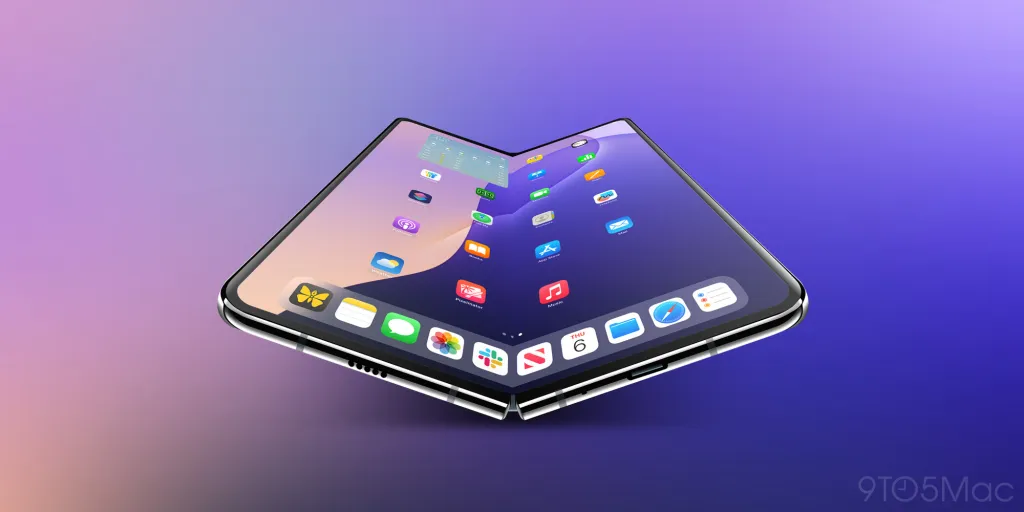
iPhone Fold Selling Points Take Aim at Samsung’s Foldable Throne
The iPhone Fold selling points are finally coming into focus as Apple prepares to enter the foldable smartphone market later this year. After years of speculation and rumors, the company is reportedly building its marketing strategy around four key features designed to convince consumers that its first foldable iPhone is worth the rumored $2,000+ price tag.
According to Bloomberg’s Mark Gurman, those four pillars are durability, performance, a crease-free display, and the fact that the device unfolds into an iPad-style larger display. Whether these four selling points will be enough to justify a price most people consider eye-watering is the real question.
Late to the Foldable Party
There’s no escaping the fact that Apple is arriving fashionably late to this particular gathering. The first foldable phone hit the market back in late 2018, and by the time the iPhone Fold actually launches, Samsung will have already released its eighth generation of foldables. That’s a significant head start to overcome.
Apple knows it can’t simply rely on novelty to drive sales. The Cupertino giant is going to have to bring something genuinely compelling to the table if it wants to convince buyers to invest in its take on the foldable concept. With the rumored price likely to top $2,000, the bar is set extraordinarily high.
The iPad Effect Could Be a Game Changer
One of the most interesting angles in Apple’s marketing strategy involves leveraging the iPad’s strong brand identity. While foldable phones aren’t new, every flagship foldable on the market today runs Android. That alone keeps a substantial portion of iPhone loyalists from considering the format.
A foldable iPhone changes that equation entirely, but the key is helping potential buyers understand what they’d actually be getting. The simple, intuitive description “it’s an iPhone with an iPad inside” packs an enormous punch precisely because both products are deeply familiar to consumers.
The internal folding screen is rumored to measure 7.8 inches when unfolded, which is impressively close to the 8.3-inch display on the iPad mini 7. Granted, the iPhone Fold is expected to have a unique design with shorter and wider proportions than other iPhones, meaning the folding screen will likely have a smaller overall footprint than an actual iPad mini.
That distinction probably won’t matter much to most buyers. Apple’s tablets have consistently dominated their category, and the iPad name carries enormous weight with consumers. Telling someone that a Galaxy Z Fold combines a phone and a tablet doesn’t quite hit the same way as saying it’s an iPhone with an iPad inside. The clarity and brand recognition give Apple a real edge in marketing.
Will Apple Finally Embrace the Stylus?
If Apple genuinely commits to the iPad angle, it raises an interesting question about Apple Pencil support. Steve Jobs famously declared that smartphones and styluses shouldn’t mix, but the iPhone Fold could provide the perfect opportunity for Apple to finally evolve past that long-held position.
A foldable device with a 7.8-inch screen would benefit enormously from Pencil support, particularly for note-taking, sketching, and productivity tasks. If Apple wants the iPad comparison to land with maximum impact, embracing stylus compatibility seems like a natural next step.
Durability and Performance Play to Apple’s Strengths
Two of the iPhone Fold’s other selling points, durability and performance, are areas where Apple already has a strong reputation. Foldable phones have come a long way since the early days, but consumer perception still leans toward the assumption that these devices are fragile and prone to breaking.
That perception was reinforced years ago when Samsung had to postpone the original Galaxy Fold launch at the last minute due to durability concerns. The high-profile embarrassment created lingering doubts about whether foldable phones were truly built to last.
Apple, on the other hand, is well-known for engineering products that feel premium and hold up over time. If the iPhone Fold can demonstrate clear durability advantages over its competitors, it could finally put many of those lingering concerns to rest.
Performance is another area where Apple consistently delivers. With its A-series chips remaining at the top of mobile performance benchmarks year after year, the iPhone Fold is likely to outperform Android foldables in raw speed and efficiency. That kind of leadership matters for a flagship device that needs to power both a phone-sized display and a much larger folding screen.
The Crease-Free Display Promise
The fourth selling point, a crease-free display, is the one that has generated the most skepticism. While eliminating the visible crease is a meaningful engineering achievement, many observers argue that Apple may be putting too much marketing emphasis on this single feature.
For most users, a crease isn’t necessarily a dealbreaker. The bigger questions involve overall display quality, brightness, color accuracy, and refresh rate. Whether Apple has truly solved the crease problem in a way that justifies its prominent role in the marketing strategy remains to be seen.
The $2,000 Question
All four selling points come back to one fundamental issue: will any of this actually convince people to spend $2,000 on a phone? That’s a substantial sum for any device, especially in an economic environment where consumers are watching their spending more carefully than ever.
Even with installment plans, $2,000 represents a real commitment. The challenge isn’t just convincing buyers that the iPhone Fold is desirable. It’s convincing them that it’s worth that level of investment over alternatives, including the standard iPhone lineup.
The Vision Pro Cautionary Tale
Apple has firsthand experience with what happens when premium pricing meets consumer reality. The Apple Vision Pro headset launched with massive marketing fanfare and cutting-edge technology, only to face a wave of returns right before the return windows closed. The headset was simply too expensive for most people to justify, regardless of how impressive the technology was.
That experience should serve as a sobering reminder for Apple as it prepares to launch the iPhone Fold. Marketing alone cannot overcome a price barrier that genuinely sits beyond what most consumers are willing to pay.
Samsung Has Proven the Market Exists
There is some good news for Apple, however. Samsung has already proven that a market exists for $2,000 foldables. The Galaxy Z Fold 7 has been a strong seller and earned glowing reviews, demonstrating that there are buyers willing to pay premium prices for foldable smartphones.
This provides Apple with a clear precedent. The buyers exist. The challenge is ensuring that the iPhone Fold offers enough unique value to attract those buyers away from Samsung’s well-established foldable lineup.
The Apple Loyalty Factor
One thing working strongly in Apple’s favor is the legendary loyalty of its existing customer base. Many iPhone users have been waiting for years for Apple to enter the foldable space, and a substantial number will likely buy the iPhone Fold simply because it carries the Apple logo.
That base of guaranteed customers gives Apple a significant launch advantage. The real question isn’t whether the iPhone Fold will sell at all. It’s whether Apple can grow beyond its loyal core to attract switchers from the Android ecosystem and convert hesitant iPhone owners who haven’t yet been sold on foldables.
What This Means for the Foldable Market
Apple’s entry into the foldable market is likely to reshape the entire category. Even if the iPhone Fold doesn’t immediately dethrone Samsung’s offerings, its arrival will validate the format in a way that generates broader consumer interest.
For Samsung, the challenge will be defending its position with the Galaxy Z Fold 8 and beyond. For other manufacturers like Google, OnePlus, and various Chinese brands, the iPhone Fold’s launch will mean fiercer competition in a still-emerging segment.
The Bottom Line
The iPhone Fold selling points represent Apple’s calculated bet on what will resonate with consumers in 2026. By emphasizing durability, performance, a crease-free display, and the iPad-style form factor, Apple is leaning hard on its established strengths while addressing the most common concerns about foldable phones.
Whether those four pillars will be enough to overcome the steep $2,000 price tag remains the central uncertainty. Apple has a track record of making people open their wallets for premium products, but it has also seen what happens when prices push too far beyond what most consumers can stomach.
When the iPhone Fold finally launches, it won’t just be a test of Apple’s foldable technology. It will be a test of how much Apple’s marketing power can overcome economic reality, and how loyal its customer base really is when faced with the steepest iPhone price ever. The next chapter in the foldable phone story is about to be written, and Apple is determined to make sure its name is on the cover.
Author