Paramount Warner Bros Merger Marks Massive Shift in Hollywood Ownership
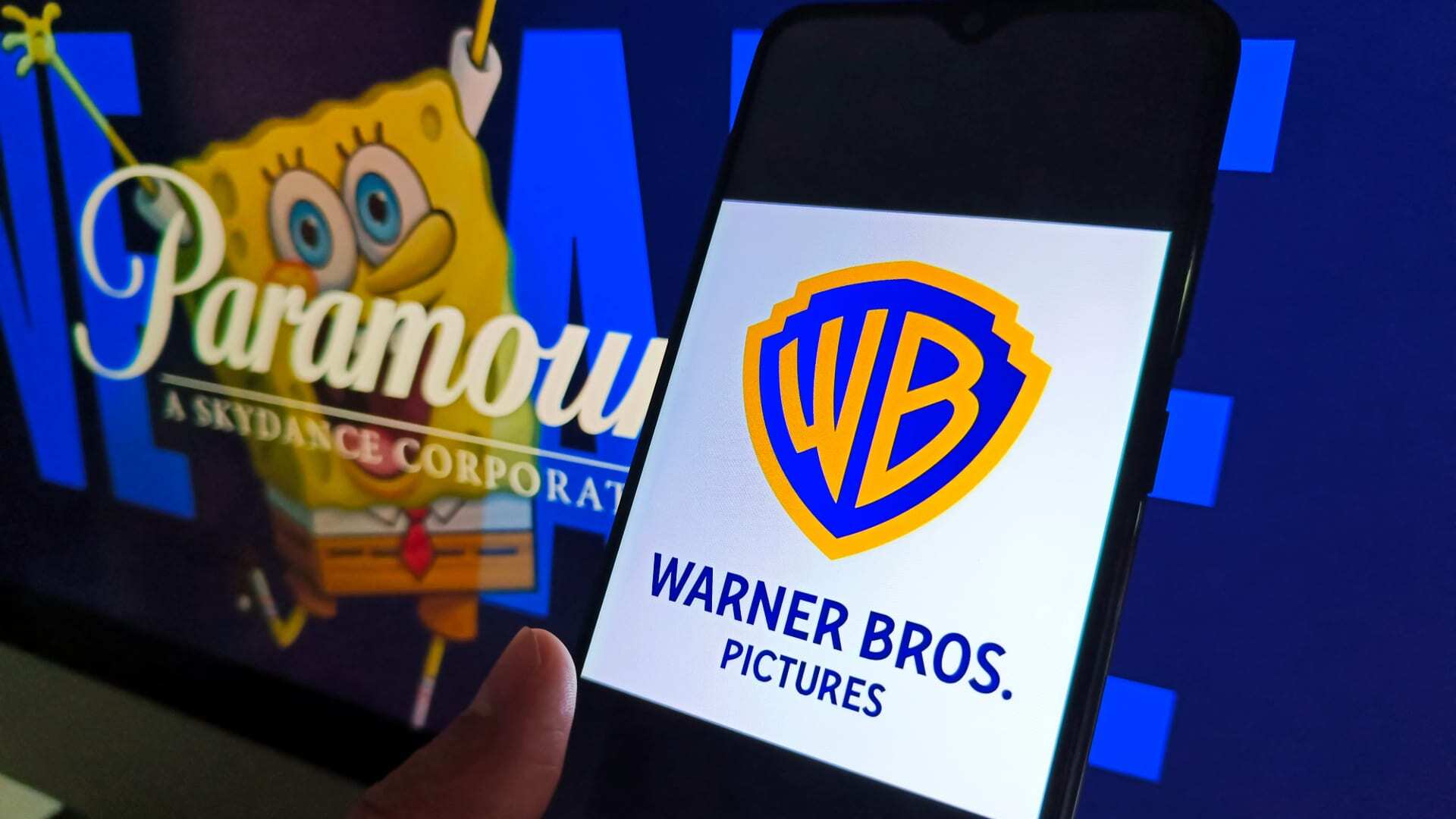
The Paramount Warner Bros merger is shaping up to be one of the most transformative deals in Hollywood history, and a recent regulatory filing has revealed just how dependent the $111 billion transaction is on foreign capital, particularly from Middle Eastern sovereign wealth funds. According to documents submitted on Monday, overseas investors are expected to indirectly own just under half of the combined media giant once the takeover is finalized.
The disclosure shines a bright spotlight on the unprecedented role that Gulf state money is playing in reshaping the American entertainment landscape, raising both economic and political questions about what this means for the future of one of America’s most powerful cultural industries.
The Foreign Ownership Breakdown
Paramount, currently controlled by the billionaire Ellison family, filed paperwork with the Federal Communications Commission seeking approval for the massive equity financing supporting the deal. According to the filing, foreign investors will indirectly own slightly less than 50 percent of the group’s equity once the merger closes.
That’s a striking figure for a company that owns major American media properties, including news outlets that play a central role in shaping public opinion. The Ellison family, along with their partner RedBird Capital, will retain all the voting control, meaning that despite the substantial foreign equity stake, the day-to-day governance will remain in American hands.
Three Major Middle East Funds Lead the Way
Three powerful Middle Eastern sovereign wealth funds have agreed to contribute approximately $24 billion to secure the deal, which Paramount won after a heated bidding war against rival Netflix.
The breakdown of stakes is as follows:
- Saudi Arabia’s Public Investment Fund will own 15.1 percent of the company.
- L’Imad, an investment vehicle backed by Abu Dhabi’s sovereign wealth fund, will hold 12.8 percent.
- The Qatar Investment Authority will own 10.6 percent.
In addition to these three major investors, other overseas backers will hold stakes through RedBird funds. However, none of those individual investors will exceed 10 percent, and the specific names have not been publicly disclosed.
Why FCC Approval Is Required
Paramount needs FCC approval because the company owns broadcast businesses in the United States, which fall under the agency’s regulatory authority. The federal government has long required oversight when foreign ownership of broadcast companies reaches certain thresholds, given the strategic importance of mass media to public discourse.
Brendan Carr, the FCC’s chair, has publicly described the Paramount-Warner merger as a good deal and indicated that approval would come quickly. Other Trump administration officials have similarly voiced support for the deal, suggesting that significant regulatory resistance from the federal level is unlikely.
The Ellison Family’s Safety Net
One important detail from the filing is that the equity financing for the deal is fully backstopped by the Ellison family. This means that even if the overseas investment falls through for any reason, the billionaire family is prepared to step in and finance the deal themselves.
That kind of financial commitment underscores how determined the Ellisons are to see this transaction through, regardless of geopolitical complications or shifts in global capital flows.
Soft Power Implications for the Gulf
Although the Saudi, Emirati, and Qatari investors will not hold voting rights, the sheer scale of their financial commitment gives them a meaningful presence in one of America’s most culturally influential industries. Owning significant stakes in entertainment and media businesses provides what’s often referred to as soft power, the ability to shape narratives, cultural perceptions, and public opinion through indirect influence rather than direct control.
For these Gulf nations, the investment also fits into a broader strategy of economic diversification. After decades of relying heavily on oil and gas revenues, countries like Saudi Arabia, the UAE, and Qatar have been pouring hundreds of billions of dollars into sectors such as sports, entertainment, and tourism. The Paramount-Warner Bros stake is one of the most prominent examples yet of that diversification strategy reaching into the heart of Hollywood.
Geopolitical Tensions Cast a Long Shadow
The deal arrives at a particularly delicate moment in international relations. The ongoing US and Israeli conflict with Iran has raised concerns about the future of Gulf sovereign investments that have powered American private equity and entertainment dealmaking. Despite the regional tensions, the Paramount deal is still expected to proceed, signaling continued confidence on both sides of the partnership.
Still, the geopolitical backdrop adds an extra layer of complexity to an already controversial transaction. As Middle Eastern conflicts continue to shape global headlines, Americans may grow more sensitive to the question of how much foreign capital is influencing domestic media narratives.
Concerns About Editorial Independence
The deal is set to draw considerable scrutiny from media watchdogs and competition regulators alike, particularly given Paramount’s existing presence in American news media. Paramount owns CBS News, while Warner Bros Discovery owns CNN. Combined under one corporate umbrella, the merger would consolidate two of the most prominent news brands in the country.
Insiders at CNN are reportedly already worried about what editorial independence will look like under the Ellisons’ ownership. The family’s ties to the Trump administration have raised eyebrows among journalists who fear that political considerations could begin influencing news coverage in subtle or not-so-subtle ways.
These concerns echo broader debates about media consolidation in America, where fewer and fewer corporations control an increasingly large share of the news ecosystem. Adding foreign sovereign wealth into that mix only deepens the questions about who really shapes the stories Americans see and read every day.
The Khashoggi Question
Saudi Arabia’s involvement in the deal is especially controversial given the kingdom’s alleged role in the 2018 murder of journalist Jamal Khashoggi. Khashoggi was a Washington Post columnist and prominent critic of Saudi Arabia and Crown Prince Mohammed bin Salman’s policies.
For many media observers and human rights advocates, the idea of Saudi sovereign wealth taking a 15.1 percent stake in a major American media conglomerate that owns news organizations is uncomfortable, to say the least. While the Saudi investors will not have voting rights or governance influence, their financial presence alone may color how the public perceives editorial decisions made by CBS, CNN, and other news properties under the new corporate structure.
Paramount’s Response
In response to the various concerns being raised, a spokesperson for Paramount has emphasized that the FCC filing is a completely standard procedure for investments of this scale and is not a condition for closing the acquisition. The company also stressed that the Ellison family and RedBird Capital will collectively hold the largest equity stake in the combined company.
Paramount further clarified that no other party will have any governance rights, voting shares, or board representation. The message from the company is clear: while foreign capital is funding a substantial portion of the deal, control remains firmly in American hands.
The Bigger Picture
The Paramount Warner Bros merger represents a fundamental transformation of one of the most iconic industries in the United States. By combining two of Hollywood’s most storied names, the deal will create a media powerhouse with unparalleled reach across film, television, news, and streaming.
At the same time, the heavy reliance on Middle Eastern sovereign wealth raises uncomfortable questions about the changing nature of American media ownership. While the financial logic of the deal is straightforward, the cultural and political implications are far more complex.
What Comes Next
With FCC approval expected to move quickly and the Ellison family’s commitment fully in place, the deal looks likely to close as planned. However, regulators will undoubtedly continue to examine the implications, and public attention will only grow as the new corporate structure begins to take shape.
For the Gulf states involved, the investment represents a significant step in their long-term strategy of building global influence through cultural and economic diversification. For American media consumers, the deal raises fresh questions about how much foreign money should be allowed to shape the news, entertainment, and stories that define daily life.
The Bottom Line
The Paramount Warner Bros merger is more than just a Hollywood mega-deal. It’s a moment that captures the changing balance of power between American capital, foreign sovereign wealth, and the cultural institutions that define modern life. As the deal moves toward closing, all eyes will be on how this new chapter in American entertainment unfolds, and what it means for the stories the world will be told in the years ahead.
Author