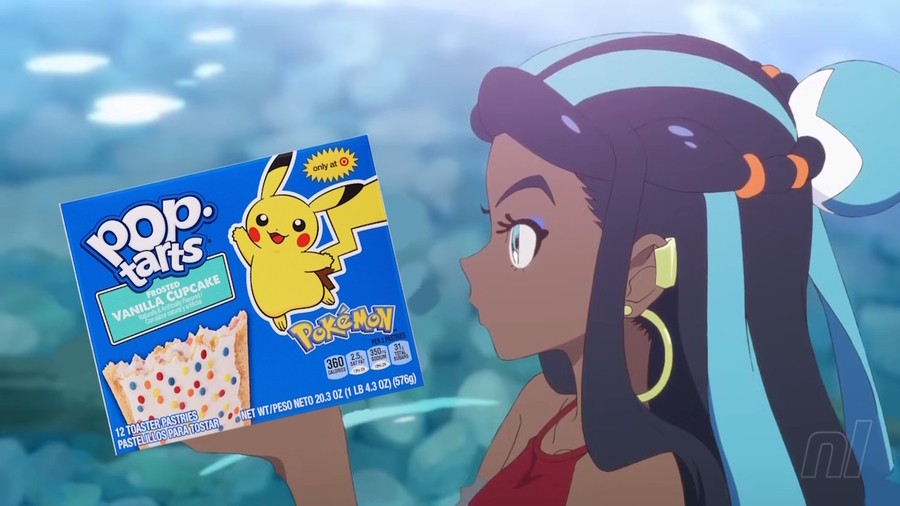
Pokémon Pop-Tarts scalpers are at it again, and this time the target of their inflated price tags is something delightfully simple, a box of Pikachu-themed pastries. What started as a sweet collaboration between The Pokémon Company and US retail giant Target has quickly turned into yet another example of how scalpers continue to exploit fan enthusiasm in the world of collectible merchandise.
A Sweet Collaboration With a Sour Aftertaste
Pokémon’s collaboration history is long, fun, and well-loved. Whether it’s plush toys, trading cards, sneakers, or apparel, fans love expressing their passion in any form. When word spread that limited-edition Pokémon Pop-Tarts were available exclusively at Target, fans were thrilled to grab them at a normal price.
The boxes feature an adorable Pikachu design and contain six Frosted Vanilla flavored pastries, two per pack, totaling 12 inside each box. At just under $3 per box, this would normally be a fun, affordable purchase that any Pokémon fan or sweet-tooth shopper could enjoy without thinking twice.
That is, until scalpers got involved.
Scalpers Hike Up the Prices
Once stock began to vanish from local Target shelves, eBay quickly filled with boxes priced anywhere from over $10 each to a jaw-dropping $34.99 per box, before factoring in shipping. For a snack item that retails at less than $3, this is a textbook case of opportunistic price gouging.
Some of the most outrageous listings include:
- A single Pop-Tarts box at over $34
- Multipack listings priced at three to eight times retail
- Boxes paired with other Pokémon items at premium combo prices
- Scalpers shipping internationally with massive markup
- “Mint condition” boxes labeled as collector’s grade
The fact that this is happening over breakfast pastries, of all things, shows just how aggressive Pokémon scalpers have become in 2026.
A Familiar Pattern in the Pokémon World
This isn’t an isolated incident. The Pokémon community has been dealing with scalper culture for years, especially around:
- Trading card releases like booster boxes and special sets
- Limited-run plush toys and figures
- Collaborations with Build-A-Bear, Levi’s, McDonald’s, and others
- Special edition gaming accessories
- Themed clothing or footwear drops
Almost any time The Pokémon Company partners with a major brand, the same pattern repeats itself. Stock disappears within hours, listings flood eBay, and ordinary fans are left frustrated and empty-handed.
Throwback to Earlier Pop-Tarts Collabs
Interestingly, this isn’t even the first time Kellogg’s and The Pokémon Company have teamed up. Back in the late 1990s and early 2000s, the collaboration was much more elaborate.
Older fans may remember:
- Pokémon-themed sprinkles on the pastries
- A special Wild Cherry flavor
- Box designs featuring multiple Pokémon
- Surprise minifigures included in some promotions
- Tie-ins with the early Pokémon anime craze
Compared to those nostalgic editions, the new Target Pikachu Pop-Tarts are notably simpler, with the Pikachu image being the main highlight. Yet the demand has been just as strong, partly because of nostalgia and partly because Pokémon merchandise tends to attract a passionate audience no matter the form it takes.
Social Media Adds Fuel to the Fire
A quick scroll through social media shows just how intense the conversation around these Pop-Tarts has become. Fans are:
- Sharing photos of empty Target shelves
- Begging for restocks
- Posting throwback photos of older Pokémon Pop-Tarts boxes
- Calling out scalpers by name
- Asking The Pokémon Company to bring back the old flavors and designs
This kind of engagement only makes the demand higher, which scalpers are quick to take advantage of. They thrive on the FOMO, the fear of missing out, that comes with limited-time releases.
The Larger Target Pokémon Drop Is Also Affected
If the Pop-Tarts situation wasn’t enough, the larger Target Pokémon merchandise drop is also experiencing the same problem. Other items in the lineup are now being resold at ridiculous prices online, including:
- A Pokémon jacket originally priced affordably, now listed for $249.95 on eBay
- Branded clothing items priced double their in-store value
- Plush items disappearing from store shelves within hours
- Themed accessories being scalped almost immediately
- Bundles being created to drive prices even higher
The full collection only launched over the weekend, yet several pieces are already sold out at most physical and online retail channels.
Why This Keeps Happening
The Pokémon Pop-Tarts scalpers’ situation is part of a much bigger conversation about modern collectible culture. Several factors contribute to the ongoing scalping epidemic, including:
- High-profile collaborations that always generate massive interest
- Limited stock at retailers, often unintentionally
- A passionate global fanbase willing to pay premium prices
- Easy resale platforms like eBay that allow instant flipping
- Bots and aggressive shoppers who buy out stock quickly
Combine these factors with social media hype and a brand as powerful as Pokémon, and you have the perfect storm for scalping behavior.
The Frustration Among Fans
For ordinary fans, the experience can be infuriating. Many people who simply want a fun, themed snack to enjoy at breakfast or to display on their shelf are being shut out by people who treat the entire situation as a flipping opportunity.
Some of the most common complaints include:
- Stores selling out within minutes of launch
- Retailers not enforcing purchase limits
- Resellers buying bulk stock and immediately listing on eBay
- Real fans missing out on items they actually want
- A sense that brand collaborations now reward speculators more than fans
This kind of frustration could eventually push brands to rethink how they handle limited drops, particularly when the items are food products rather than rare collectibles.
Could a Restock Help?
Reports suggest a second drop is expected later in the year, which could ease the pressure for fans hoping to grab the merchandise at retail prices. However, unless retailers like Target take stronger steps to prevent bulk buying, the same pattern is likely to repeat itself.
Possible solutions some fans have suggested include:
- Strict purchase limits per customer
- Online reservations or queuing systems
- ID verification for limited drops
- Larger production runs for popular items
- Clear penalties for resellers using fraudulent accounts
While these wouldn’t eliminate scalping entirely, they could significantly reduce the chaos that often surrounds Pokémon-related releases.
Why This Matters Beyond Pop-Tarts
The bigger story here is that scalping has become deeply embedded in nearly every form of modern consumer culture. We’ve seen it with:
- Gaming consoles like the PlayStation 5 and Xbox Series X
- Limited-run sneakers from major brands
- Concert tickets through bot-driven resale operations
- Pokémon TCG booster boxes and special sets
- Gaming accessories like the new Steam Controller
Pokémon Pop-Tarts is just the latest example of a recurring pattern. The product changes, but the behavior stays the same. Scalpers will continue to operate as long as demand exceeds supply and resale platforms make it easy to flip merchandise.
A Difficult Choice for Fans
For fans who didn’t manage to grab the Pikachu Pop-Tarts at Target, they’re now left with two unappealing options:
- Pay scalper prices several times higher than retail
- Wait and hope for a future restock with no guarantees
Neither option is ideal, especially for those who simply want a fun pop culture moment to share with their kids or their fellow Pokémon fans. It’s a frustrating reality that increasingly defines the modern collectible scene.
The Power of the Pokémon Brand
If anything, the Pop-Tarts saga proves once again just how powerful the Pokémon brand truly is. Even something as small as a breakfast pastry box becomes a major cultural moment when Pikachu’s face is on it. That kind of marketing power is rare, and it’s why The Pokémon Company is one of the most successful licensing brands in the world.
However, with that power comes responsibility. As more collaborations roll out, the company and its retail partners may need to take stronger steps to ensure fans, not flippers, are the ones benefiting from these special editions.
Final Thoughts
Pokémon Pop-Tarts scalpers are simply the latest reminder that fan-focused merchandise has become a battleground between genuine collectors and opportunistic resellers. While there’s nothing inherently wrong with reselling, the way scalping operates today often robs everyday fans of the joy that should come with these special drops.
For now, all eyes will be on Target’s expected second drop later this year. If scalpers strike again, expect even more frustration, more eBay madness, and more calls for The Pokémon Company to step in.
Whether you’re a longtime Pokémon trainer, a casual fan, or just someone who really likes Pop-Tarts, the situation feels less like a fun cultural moment and more like another example of how today’s collectible culture often pushes the people who care the most to the back of the line.
Until something changes, we may keep seeing stories like this one over and over. The price tags may rise, the products may differ, but the pattern remains the same. And for fans who simply wanted a Pikachu box of pastries to go with their morning coffee, the disappointment is very real.
Author