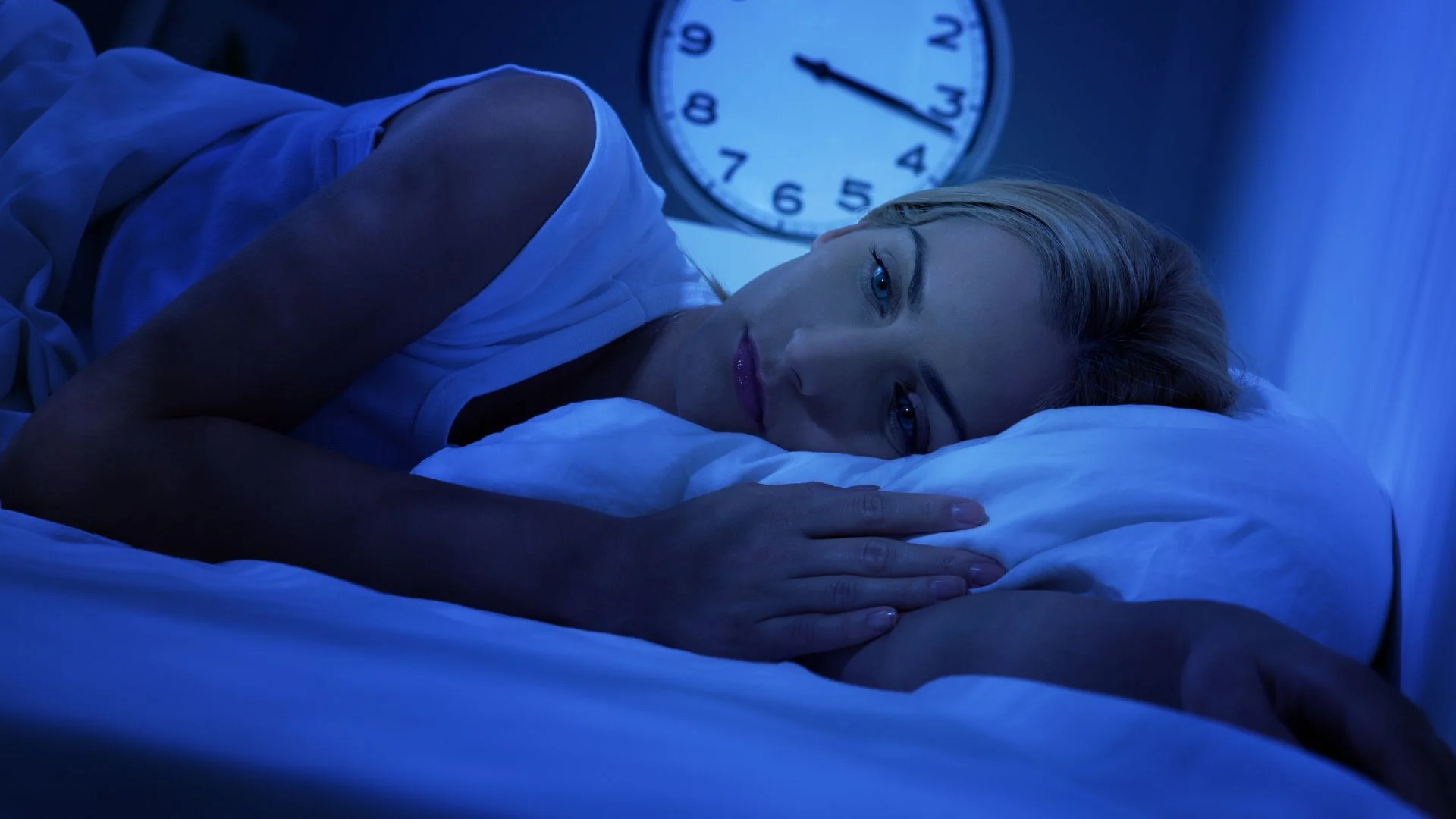
American sleep deprivation crisis is no longer just a personal struggle. It has grown into a sweeping national issue with serious consequences for individual health, workplace performance, and the broader economy. While Americans are widely admired for their work ethic and ambition, the price of constant hustle is showing up in the form of widespread sleep loss, rising medical costs, and worsening long-term health outcomes.
A Nation That’s Running on Empty
According to data released last week by the Centers for Disease Control and Prevention, 30.5 percent of Americans, nearly one in three, were sleeping fewer than seven hours per night in 2024. Even more telling, only 54.8 percent of adults said they wake up feeling well-rested on most days.
These numbers represent more than just bad mornings. They reflect a deepening sleep crisis that is hurting how Americans think, feel, and function. Sleep affects nearly every aspect of life, from emotional balance and decision-making to immune function and longevity. When millions of people consistently fall short, the consequences ripple far beyond the individual.
The Most Common Sleep Issues Americans Face
Sleep problems have become so common that many treat them as routine. According to the CDC survey, more than half of adults reported facing one or more of the following challenges at least sometimes:
- Trouble falling asleep
- Difficulty staying asleep
- Waking up too early and not being able to return to sleep
- Feeling unrested even after a full night’s rest
- Persistent fatigue throughout the day
Almost 18 percent said these problems occurred most days or every day. That kind of chronic disruption doesn’t just affect mood. It begins to reshape long-term mental and physical health in ways many Americans don’t fully realize.
Who Is Affected the Most?
The American sleep deprivation crisis is not evenly distributed. Certain groups are far more likely to suffer from short sleep and chronic sleep problems, including:
- Women
- Black adults
- Lower-income individuals
- Those with less formal education
- People working multiple jobs or irregular hours
These populations often face stressful conditions that make consistent rest difficult. Long shifts, financial pressure, caregiving responsibilities, and lack of workplace flexibility all contribute to the sleep gap. Inequality in sleep mirrors broader inequalities in everyday life, making it a public health issue tied to economic and social disparities.
Sleep Is Getting Worse, Not Better
The trend is heading in the wrong direction. A 2024 Gallup poll showed a stark reversal in just a decade:
- In 2013, 56 percent of Americans said they got enough sleep
- By 2023, only 42 percent said the same
- 57 percent of Americans now say they would feel better with more sleep
That kind of shift in just ten years suggests deep cultural and lifestyle changes. Modern routines, work demands, and digital habits are quietly eroding the quality of rest that millions of people depend on.
Why Americans Aren’t Sleeping
Researchers have pointed to several lifestyle and environmental factors driving this growing sleep deficit. Some of the most notable include:
- Excessive screen time, especially in the evening
- High consumption of sugary or fatty foods
- Chronic stress and constant connectivity
- Lack of consistent sleep schedules
- Workplace pressure that extends into nighttime hours
Studies have shown that screens emit blue light that disrupts melatonin production, while diets high in saturated fats can reduce sleep quality. Combine these factors with the cycle of stress and sleep loss reinforcing one another, and the result is a population that’s both overworked and under-rested.
The American Psychological Association has highlighted how stress and poor sleep create a self-feeding loop. Stress damages sleep, and lack of sleep then makes stress harder to manage. Over time, this cycle becomes harder to break.
Comparing the U.S. to Other Countries
When you compare U.S. sleep statistics to those of similar wealthy nations, the picture becomes even more concerning. A 2025 study tracked actual sleep durations around the world and found:
- France averages 7 hours 52 minutes
- The UK averages 7 hours 33 minutes
- Canada averages 7 hours 27 minutes
- The U.S. averages just 7 hours 5 minutes
That’s a significant gap, especially considering America’s wealth and access to healthcare. While Americans average less rest than most peers, they aren’t quite at the bottom of the rankings.
That distinction belongs to Japan, which averages just 6 hours 18 minutes of sleep, the shortest among developed nations. Japan’s overwork culture is so intense it gave rise to the word karoshi, meaning death by overwork. South Korea isn’t far behind. The U.S. is trending much closer to these countries than to its European counterparts.
The Connection Between Work and Sleep
The link between long working hours and shorter sleep durations isn’t a coincidence. American workers log around 1,976 hours per year on the job, hundreds of hours more than workers in:
- Germany
- France
- Canada
- The United Kingdom
Northern European countries with shorter work weeks consistently rank among the most well-rested populations. Denmark, for example, has weekly working hours that average around 26, and its citizens regularly report excellent sleep quality. The U.S., by contrast, has no statutory cap on weekly work hours. The federal government only requires overtime pay after 40 hours, not a hard limit.
The result is a culture that praises long hours, constant productivity, and the idea that “more work equals more success.” Unfortunately, the long-term cost of this mindset is enormous.
The Hidden Cost of America’s Hustle Culture
Hustle culture often promotes the idea that success comes from sacrifice, including sacrificing sleep. While ambition is valuable, ignoring biology creates serious consequences. Some of the major issues tied to chronic sleep deprivation include:
- Increased risk of obesity
- Higher rates of depression and anxiety
- Greater chance of heart disease and stroke
- Weakened immune function
- Higher likelihood of early death
These outcomes don’t only affect individuals. They influence employer healthcare expenses, insurance premiums, productivity, and the overall strength of the workforce. America’s hustle is producing wealth, but it’s also creating a workforce that is exhausted, stressed, and increasingly unhealthy.
The Productivity Paradox
One of the cruelest ironies of America’s sleep crisis is that overwork ultimately undermines the productivity it claims to reward. According to a study by RAND Europe, a worker sleeping fewer than six hours per night loses about six working days each year due to presenteeism and absenteeism. Nationally, that adds up to roughly:
- 1.2 million lost working days
- Nearly 10 million unaccounted-for work hours per year
The financial damage is staggering. The same study estimated that insufficient sleep costs the U.S. somewhere between $218 billion and $411 billion every year. By 2030, that figure could rise to between $318 billion and $456 billion as the population continues to age and sleep loss continues to mount.
The numbers tell a clear story: the more Americans skip rest in pursuit of productivity, the more productivity they actually lose.
The Long-Term Health Risks
The American sleep deprivation crisis isn’t just an inconvenience. Over time, chronic poor sleep has been linked to a wide range of serious medical conditions, such as:
- Type 2 diabetes
- High blood pressure
- Cognitive decline and dementia
- Mood disorders
- Inflammatory diseases
When sleep loss becomes a long-term pattern, the body never gets the chance to fully recover. Hormones become imbalanced, blood sugar regulation weakens, and the brain struggles to clear toxins that build up during waking hours. The effects compound silently over years until they emerge as full medical problems.
The Mental Health Toll
Sleep is closely tied to mental wellness. People who consistently sleep fewer than seven hours a night are more likely to experience:
- Persistent low mood
- Increased irritability
- Greater emotional reactivity
- Higher levels of anxiety
- Difficulty managing stress
These effects can spill into relationships, parenting, decision-making, and overall life satisfaction. As mental health pressures continue to rise across America, sleep emerges as one of the most important and most overlooked tools for emotional resilience.
What Could Help?
Solving the American sleep deprivation crisis isn’t simple, but small individual and societal changes can make a meaningful difference. Some of the most effective steps include:
- Setting consistent sleep and wake times
- Creating a screen-free wind-down routine before bed
- Limiting caffeine and alcohol in the evenings
- Exercising regularly during the day
- Improving bedroom environment with cool temperatures and reduced light
- Setting workplace boundaries to prevent off-hours work creep
For larger systemic change, employers and policymakers may need to rethink work culture itself. This could include:
- Promoting flexible work hours
- Encouraging vacation use
- Limiting after-hours communication
- Supporting mental wellness programs
- Reducing unnecessarily long workweeks
Why Sleep Should Be a Priority
Sleep is not a luxury, and it’s not something to be earned only after every task is completed. It’s a biological necessity. Without it, even the most ambitious goals become harder to reach, and the costs eventually catch up to both individuals and the economy.
The case for treating sleep as a national priority is overwhelming:
- It improves individual mental and physical health
- It boosts economic productivity
- It reduces healthcare costs
- It enhances workplace safety
- It supports better long-term wellbeing
When Americans sleep more, they live better, work smarter, and feel happier. The challenge is shifting the cultural mindset to recognize this truth.
A Wake-Up Call for the Country
The American sleep deprivation crisis reflects something deeper than busy schedules and modern lifestyles. It mirrors a culture that often equates exhaustion with effort and rest with laziness. But science tells a different story. Real strength, productivity, and creativity require rest as a foundation.
Whether the U.S. continues sliding toward the overwork extremes seen in Japan and South Korea or moves toward the healthier balance found in Northern Europe will depend on choices made by individuals, employers, and policymakers alike.
For now, the message from researchers is clear and urgent. Sleep is one of the most powerful tools we have for protecting our health, supporting our minds, and improving our lives. Ignoring it comes at a real cost, both personally and as a nation.
In a country that prides itself on innovation and ambition, the next big leap forward may not require working more. It may require simply learning, finally, how to rest.
Author