Iran War Day 69: Tehran Weighs US Peace Proposal as Israel Strikes Beirut
The Iran war has reached its 69th day, and signs of a possible diplomatic breakthrough are beginning to emerge. United States President Donald Trump has spoken positively about the latest round of negotiations, suggesting that an agreement to end the long-running conflict may finally be in sight. At the same time, Tehran has confirmed it is still studying a fresh proposal forwarded by Pakistan, which has stepped into the role of key mediator.
Despite the cautious optimism in Washington, the wider region remains tense. Israeli forces have once again struck Beirut, marking the first attack on the Lebanese capital since the fragile ceasefire took effect in mid-April. The combination of careful diplomacy and continued military action shows just how unstable the situation remains.
Tehran’s Response to the US Proposal
Iran’s Foreign Ministry spokesman, Esmaeil Baghaei, told the ISNA news agency that the American proposal is still being examined by senior officials. He added that Tehran would relay its formal response through Pakistan once leaders have reached a clear position.
In a more pointed remark, Iran’s Parliament Speaker, Mohammad Bagher Ghalibaf, mocked recent US military efforts on social media. He joked that “Operation Trust Me Bro” had failed and that Washington had now shifted to what he sarcastically called “Operation Fauxios” — a clear sign that political bravado continues even as negotiators try to find common ground.
Diplomacy Picks Up Pace
The diplomatic track appears to be moving faster than at any point during the war. Iranian Foreign Minister Abbas Araghchi posted on X that Tehran is hoping for Chinese support to help shape a new post-war framework for the region. Beijing has long maintained close energy and political ties with Iran, making it a natural partner in any future arrangement.
Pakistan’s Prime Minister Shehbaz Sharif, who has been shuttling messages between Tehran, Washington and Tel Aviv, said he remains hopeful that the current momentum will eventually lead to peace. Reports suggest negotiators are working through a 14-point framework drafted with Pakistani help.
According to Al Jazeera’s Kimberly Halkett, reporting from Washington, the White House appears to believe a breakthrough is genuinely within reach. Trump is reportedly pushing to lock in a deal before his upcoming trip to China, both to project strength on the world stage and to capitalise on diplomatic momentum.
Tensions in the Gulf
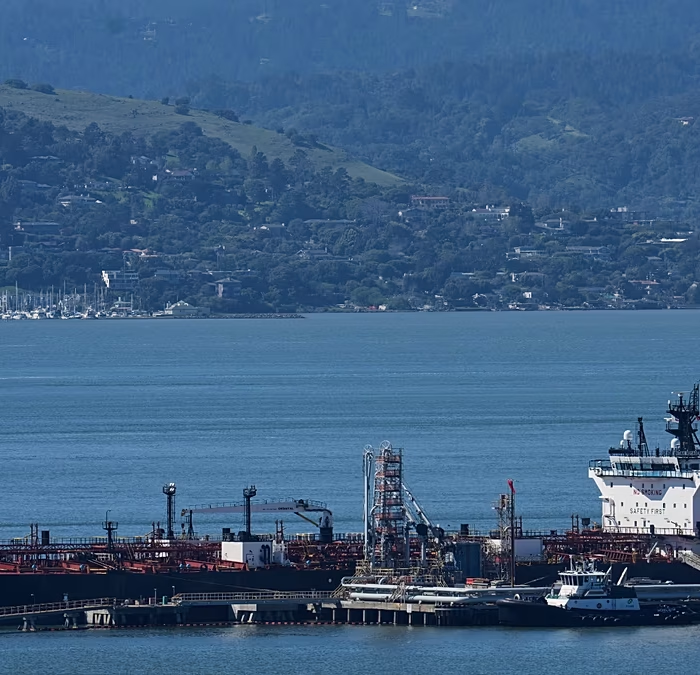
Even as talks continue, military pressure has not eased. The US military confirmed that a Navy fighter jet fired on and disabled the rudder of an Iranian-flagged oil tanker in the Gulf of Oman. According to Washington, the vessel had attempted to break through the US blockade of Iranian ports — a move that risks further inflaming tensions in one of the world’s most sensitive shipping zones.
Trump’s Mixed Messaging
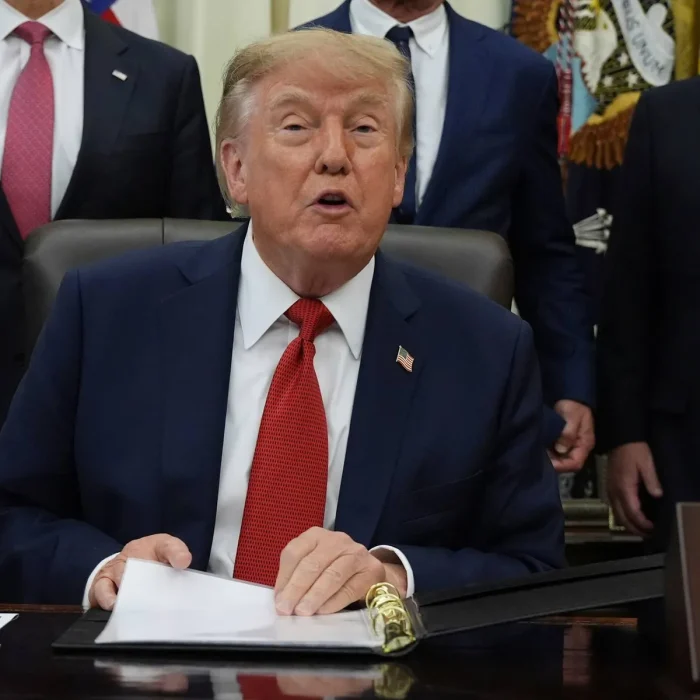
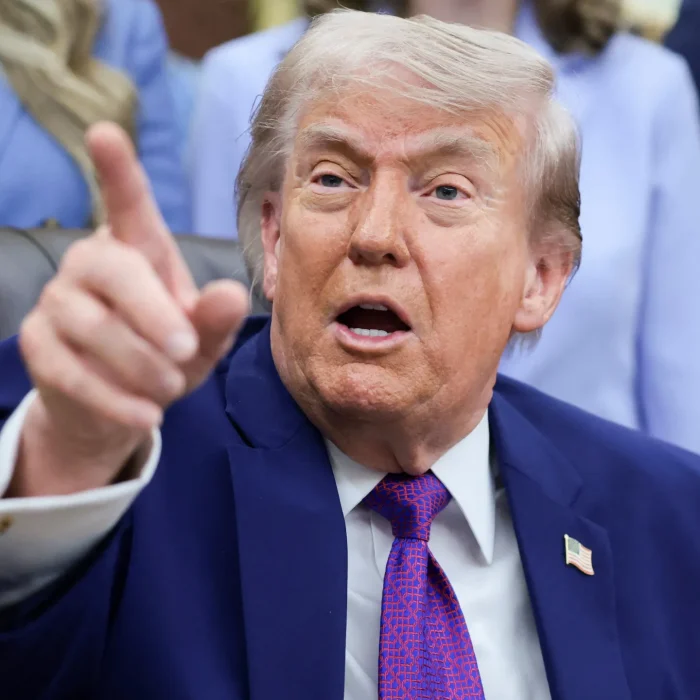
President Trump struck a confident tone while addressing supporters, predicting that the war would “be over quickly” as long as Iran agreed to halt its nuclear programme and ease restrictions around the Strait of Hormuz. He repeated his stance that the United States cannot allow Tehran to develop a nuclear weapon under any circumstances.
However, his message also carried a sharp warning. Trump cautioned that if Iran refused the proposed terms, US bombing campaigns would resume — and at a far greater scale than before. The blend of offering dialogue while threatening force has become a familiar pattern in his approach to Tehran.
Israel Expands Its Operations
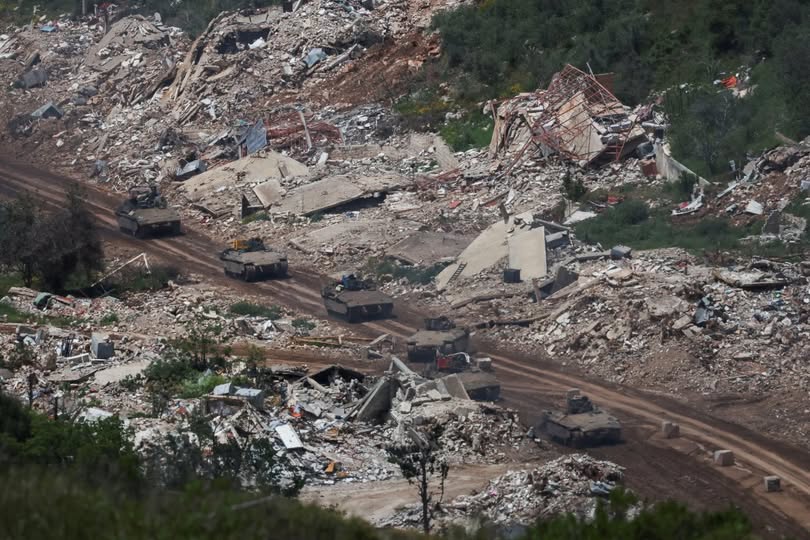
While diplomats focus on Iran, Israel has widened its military activities in the north. The Israeli military intercepted what it described as a suspicious aerial target launched from Lebanon, prompting sirens to blare across several towns near the border.
The strike on Beirut marks a significant escalation. It is the first such attack since the US-brokered ceasefire on April 17, raising serious concerns about the durability of that agreement.
Lebanon Caught in the Crossfire
Across Lebanon, the situation is deteriorating quickly. Israeli air raids are now reaching deeper into Lebanese territory, no longer limited to the southern border zones. Hezbollah, in turn, claims its fighters launched 17 separate strikes against Israeli forces, accusing Tel Aviv of repeatedly breaking the truce. The cycle of strikes and counterstrikes is putting the ceasefire under enormous strain.
Effects on the Global Economy
The Iran war is also leaving a deep mark on the global economy, particularly through disruptions in the Strait of Hormuz. German shipping giant Hapag-Lloyd revealed that the closure is costing the company nearly $60 million each week in additional fuel and insurance expenses. Many shipping firms are now avoiding the waterway entirely, fearing both Iranian attacks and possible sanctions tied to IRGC-controlled crossings.
In a related development, Bloomberg News reports that China’s financial regulator has quietly told major Chinese banks to halt new loans to five oil refineries already sanctioned by the United States for their alleged ties to Iranian crude. The move suggests that even Beijing, normally a strong ally of Tehran, is treading carefully to avoid becoming entangled in US sanctions.
Looking Ahead
As Day 69 of the Iran war comes to a close, the world is balancing between hope and worry. Diplomats continue to push for a peaceful resolution through Pakistan’s mediation, while military strikes, naval confrontations and economic disruptions show that the conflict is far from over. Whether the coming days bring a historic deal or another wave of violence will likely depend on how both Washington and Tehran respond in the next critical phase.
Author