Putin Victory Day Parade Sends a Defiant Message Amid Tense Ceasefire
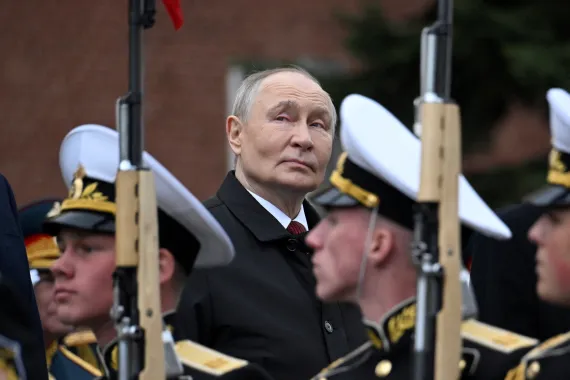
The Putin Victory Day parade in Moscow’s Red Square unfolded as a noticeably scaled-back event this year, but the Russian president still used the platform to deliver one of his most pointed political messages of 2026. With military personnel marching through the iconic square but no tanks or missiles in sight, Vladimir Putin defended his ongoing war in Ukraine, attacked NATO, and tried to project strength even as fewer world leaders showed up to stand beside him.
A More Subdued Spectacle Than Usual
For decades, Russia’s Victory Day parade has been one of the most carefully choreographed displays of military power in the world. Tanks, ballistic missiles, armored vehicles, and rows of advanced weaponry typically rolled through Red Square in a spectacle designed to showcase national might. This year, however, the absence of heavy military hardware marked one of the most striking changes in recent memory.
Instead, soldiers marched in tight formations under heightened security, while the broader visual tone of the event felt more restrained. Russian officials cited the demands of the ongoing war and the threat of Ukrainian drone attacks as the reasons for scaling back the parade.
Putin Frames the War as a “Just” Cause
In his speech, Putin opened with tributes to the Soviet soldiers who fought during World War Two, framing their sacrifices as a foundation for the current generation of Russian troops. He then pivoted directly to the war in Ukraine, calling it a continuation of the country’s historic fight for survival.
He described the conflict as a just war and accused Ukraine of acting as an aggressive force backed by the entire NATO alliance. Despite that, he claimed, Russian fighters continue to push forward. By tying the present-day war to the legacy of WWII, Putin attempted to rally domestic support and reinforce a long-running narrative used heavily on state media.
A Salute to Russian Society
Beyond his criticism of NATO, Putin spent a significant portion of his speech celebrating ordinary Russians. He praised scientists, doctors, military journalists, teachers, and workers contributing to the country’s war effort.
He emphasized that the future of Russia is shaped by its people rather than just its weapons, regardless of how military strategies evolve. The remarks reflected the Kremlin’s effort to portray the war as a unifying national project rather than a purely military operation.
Smaller Diplomatic Showing Compared to Last Year
Foreign attendance at the parade was notably thinner than in 2025, when 27 world leaders, including Chinese President Xi Jinping and Brazilian President Luiz Inácio Lula da Silva, joined the celebrations for the 80th anniversary.
This year’s lineup featured Belarusian leader Alexander Lukashenko, Malaysia’s King Sultan Ibrahim, and Uzbek President Shavkat Mirziyoyev. Slovak Prime Minister Robert Fico stood out as the only European Union representative to attend and was photographed meeting Putin privately at the Kremlin before the parade.
The thinner guest list signaled how isolated Moscow has become on the global stage, even as Putin continues efforts to highlight his international friendships.
Ceremonial Moments Continue
After his speech, cannons fired in succession before a military brass band performed traditional patriotic music. Russian state television then aired footage of soldiers on the front lines, blending the commemorative tone with messaging tied directly to the ongoing war.
Putin later laid flowers at the Tomb of the Unknown Soldier and attended a reception inside the Kremlin, sticking to the carefully choreographed Victory Day routine that has long been associated with his presidency.
Victory Day Across the Country
While the spotlight remained on Moscow, smaller commemorations took place across other parts of Russia. In Vladivostok in the country’s far east, a parade and the iconic Immortal Regiment march honored World War Two veterans. Cities like Krasnoyarsk in Siberia and St Petersburg also held public events, though many were significantly smaller than in previous years.
In some areas, parades were canceled entirely. Virtual events were scheduled in their place, though authorities warned that internet outages could disrupt those gatherings.
Why Victory Day Carries So Much Weight
Victory Day remains one of the most emotionally significant holidays in Russia, with families across the country honoring relatives who served in what Russia refers to as the Great Patriotic War. The Soviet Union lost an estimated 27 million citizens during World War Two, a staggering toll that continues to shape collective memory.
Under Putin, however, the holiday has also become a major platform for political messaging. The annual parade has been used to project strength, reinforce nationalism, and link the modern Russian military to its WWII legacy. The scaled-back nature of this year’s celebration felt unusual precisely because Victory Day is so deeply embedded in Russian identity.
A Three-Day Ceasefire Hovers Over the Festivities
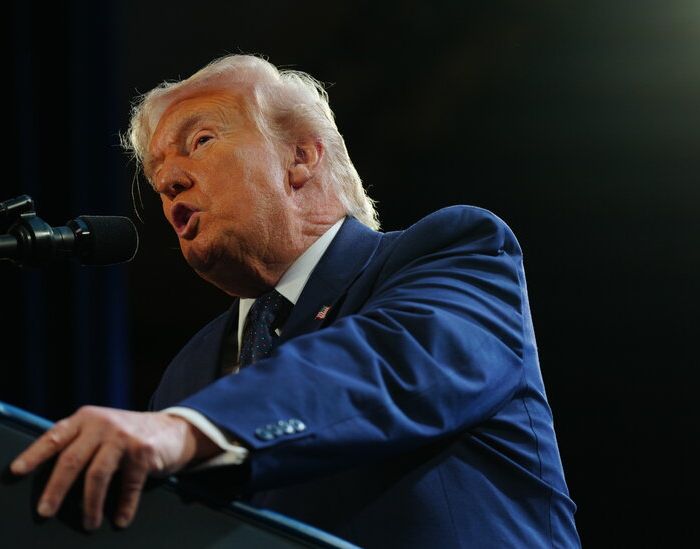
Adding tension to the day’s events was a temporary three-day ceasefire between Russia and Ukraine, announced by U.S. President Donald Trump just one day earlier. The pause in fighting was meant to overlap with Russia’s Victory Day commemorations and offered a brief diplomatic window during an otherwise volatile stretch of the war.
The truce appeared to hold during the parade itself, but Russia’s defense ministry quickly accused Ukraine of violating the agreement once the ceremony ended, though it offered no details. Ukraine did not immediately respond. Russia stated it would still continue observing the ceasefire despite the alleged breach.
Conflicting Narratives From Both Sides
Earlier in the week, Putin had originally announced a separate ceasefire for May 8 and 9, while Kyiv had pushed for a longer, indefinite truce starting May 6. The overlapping but mismatched declarations created confusion, and both sides repeatedly accused each other of breaking the temporary pauses in the days that followed.
This pattern of fragile ceasefires and contradictory claims has become familiar territory in the war, fueling skepticism about whether the latest U.S.-mediated truce can lead to anything more durable.
Why Russia Toned Down This Year’s Parade
Officials publicly explained the scaled-back parade by pointing to the operational realities of the war. Russian MP Yevgeny Popov told the BBC that Russian tanks were currently needed on the battlefield rather than rolling through Red Square.
Behind the scenes, however, security concerns also played a major role. The threat of Ukrainian drone strikes, which have repeatedly hit Russian targets in recent months, forced Moscow to tighten security significantly and minimize potential drone-attractive showpieces. The result was a parade designed for symbolic continuity rather than spectacle.
A Parade That Reflects a War Not Going as Planned
The absence of tanks and missiles, the smaller diplomatic turnout, and the heavy reliance on infantry formations all suggested that Russia is navigating a delicate moment. Analysts noted that the visual contrast with previous years made it harder for the Kremlin to project the unwavering strength it usually emphasizes during Victory Day.
Even with Putin’s defiant speech, the broader picture painted by the day’s events reflected a country deeply entrenched in a war that has stretched far longer than originally planned, with mounting strain across multiple fronts.
A Day Marked by Symbolism, Tension, and Uncertainty
The Putin Victory Day parade succeeded in delivering its political messages, but it also revealed the strain placed on Russia by the prolonged conflict in Ukraine. As ceasefire claims continue to be tested and global attention remains fixed on the war’s next chapter, the world watched a parade that felt less like a triumphant display and more like a carefully managed performance.
For Putin, the day reaffirmed his narrative. For observers, it underscored the fragility and uncertainty surrounding both the war and Russia’s place in the world.
Author