Hantavirus Vaccines and Treatments Take Center Stage as MV Hondius Outbreak Triggers Global Concern
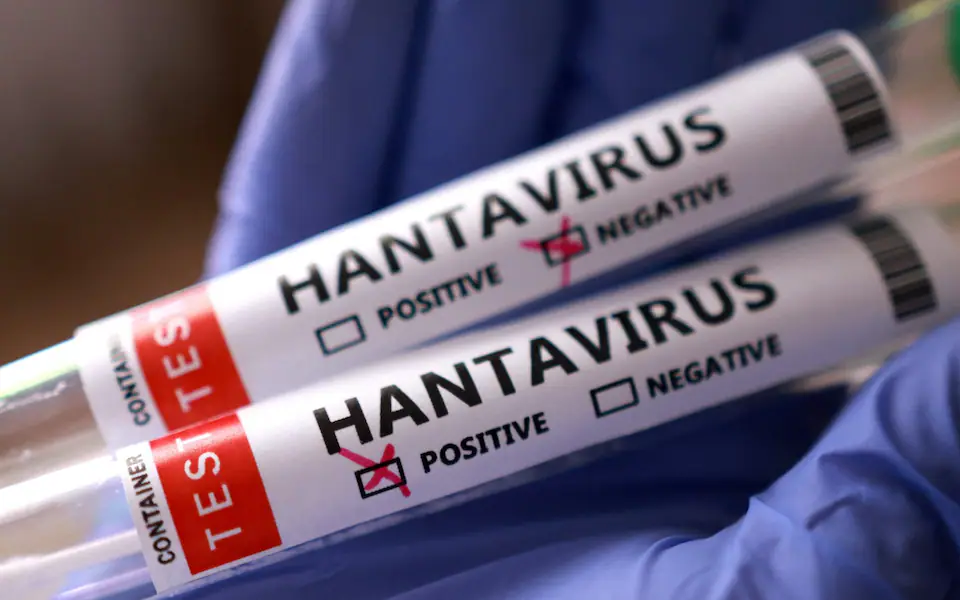
Hantavirus vaccines and treatments are suddenly getting attention they have not received in years, thanks to the deadly outbreak aboard the cruise ship MV Hondius. As passengers fell ill in the middle of the Atlantic Ocean, doctors found themselves facing a hard truth. Despite decades of awareness about hantaviruses, modern medicine still has very few tools to fight them. The current outbreak has placed a global spotlight on a family of viruses that scientists have long warned could one day cause serious problems if ignored.
A Wake-Up Call for the Medical Community
The crisis surrounding the MV Hondius has exposed how thin the medical toolkit remains when dealing with hantaviruses. There are no targeted treatments and no widely available vaccines, which has left clinicians offering only supportive care to those affected.
Dr. Vaithi Arumugaswami, an infectious disease researcher at the University of California, Los Angeles, described the outbreak as a wake-up call. With limited drugs, no scalable vaccines, and a virus that can spread between humans in rare cases, the situation has highlighted just how unprepared the world remains for hantavirus events of this scale.
Why Hantaviruses Have Stayed Off the Priority Radar
Hantaviruses are usually carried by rodents and are not considered highly contagious between humans. Most cases occur sporadically, often after exposure to rodent droppings, urine, or saliva in rural environments. Because the virus does not spread quickly through the air or in dense urban environments, it has historically been low on the priority list for major public health and pandemic preparedness programs.
Jay Hooper, a virologist at the United States Army Medical Research Institute of Infectious Diseases, explained that hantaviruses simply have not generated the same urgency as airborne or fast-spreading pathogens. As a result, most research has progressed slowly, with limited funding and even less commercial interest.
Promising Science That Just Needs a Push
Despite the slow progress, scientists across the world have quietly been working on hantavirus vaccines and treatments for decades. Several promising candidates already exist on laboratory benches, waiting for the funding or political will to push them through the development pipeline.
Dr. Ronald Nahass, president of the Infectious Diseases Society of America, said many viable products are sitting just out of reach because no one has stepped forward to invest the money needed to advance them. The science is largely ready. The market and public health prioritization are not.
Two Main Categories of Hantaviruses
Hantaviruses fall into two broad groups. Old World viruses circulate mainly in Asia and Europe and are responsible for outbreaks of hemorrhagic fever with renal syndrome. New World viruses, which include the strain involved in the cruise ship outbreak, are found across the Americas and tend to cause hantavirus pulmonary syndrome.
The cruise ship cluster has been linked to the Andes virus, a New World hantavirus endemic to South America. It is the only hantavirus known to spread directly between humans. This rare ability has elevated the medical urgency surrounding the current outbreak.
Vaccines Already in Development
While there are some vaccines targeting Old World hantaviruses in parts of Asia, their effectiveness has been modest. There are no licensed vaccines available for New World hantaviruses, including the Sin Nombre virus that affects rodents in the western United States.
A particularly promising candidate has been developed by Dr. Hooper and his colleagues. Their DNA vaccine for the Andes virus performed well in a small phase 1 clinical trial. Under specific dosing regimens, more than 80 percent of participants produced neutralizing antibodies, an impressive result for a vaccine in such an early stage.
The drawback is that the vaccine appears to require at least three doses. Yet the science is solid, and the vaccine is ready for further development if needed. As Dr. Hooper put it, the science is done. What is missing is the demand from governments and markets to push it forward.
Innovative Approaches at Universities
Other research groups are exploring different vaccine platforms. At the University of Saskatchewan, Bryce Warner and his team are testing several approaches, including a nasal vaccine designed to trigger stronger immune responses directly in the airway. While these efforts remain in early stages and are still being tested in hamsters, they reflect the breadth of innovation happening in the field.
Hantavirus vaccine research faces unique obstacles. Scientists lack reliable large-animal models, and human cases remain rare enough that conducting traditional clinical trials becomes incredibly difficult. With limited annual cases, demonstrating efficacy at scale is a real challenge.
Treatments Remain Limited
Even with vaccines lagging, the treatment landscape is just as constrained. Currently, the standard approach for severe hantavirus infections involves supportive care, including supplemental oxygen or, in critical cases, heart-lung bypass machines.
Some doctors prescribe ribavirin, an existing antiviral drug, but its effectiveness against New World hantaviruses has not been clearly proven. The lack of strong therapeutic options puts pressure on doctors to manage outcomes rather than directly fight the virus.
The Hunt for New Antiviral Drugs
Researchers are working to find more effective drugs, and some early findings have generated cautious optimism. At UCLA, Dr. Arumugaswami’s team discovered that favipiravir, an antiviral originally approved in Japan for influenza, inhibits the Andes virus in human cells. The team also identified several compounds with broad antiviral activity that worked against multiple hantaviruses in human organoids, miniature lab-grown tissue clusters that mimic real organ function.
These results suggest that broad-spectrum antiviral candidates could play a key role in future treatment strategies. The challenge is moving these promising findings from the lab to clinical trials and eventually to patients in real-world conditions.
Antibody Therapy Shows Strong Potential
Therapeutic antibody treatments have emerged as another exciting area of research. At the Albert Einstein College of Medicine in New York, virologist Kartik Chandran and his team have isolated antibodies from people who survived hantavirus infections. After narrowing them down, they identified one that worked exceptionally well in animal trials.
The standout antibody was effective against both Old World and New World hantaviruses and continued to provide protection even when administered late in the course of infection. Such broad-spectrum, late-stage effectiveness is rare and incredibly valuable in pandemic preparedness work.
Roadblocks That Stall Progress
Despite these promising leads, many candidates have hit roadblocks. Dr. James Crowe, director of the Vanderbilt Center for Antibody Therapeutics, explained that his team has identified a strong therapeutic antibody but cannot move forward without significant funding. Advancing the work to the next stage would require around 40 million dollars, money that is not coming from governments, foundations, or pharmaceutical companies.
This pattern is familiar in hantavirus research. Promising science exists. Funding does not. The result is a graveyard of promising compounds and antibodies that could have saved lives if they had been given the resources to advance.
Will the Outbreak Change Funding Priorities?
Researchers are hopeful that the MV Hondius outbreak will reshape priorities. Dr. Chandran said his inbox has been flooded with renewed interest from researchers, donors, and policy professionals. The world tends to react quickly when a virus dominates headlines, but the real test is whether attention translates into long-term investment.
Without sustained funding, scientists worry that the moment of urgency will pass and hantavirus research will once again drift to the margins of public health priority lists.
Why the Stakes Are Higher Than They Look
While hantavirus is rare, the consequences of underestimating it are severe. Fatality rates can vary widely, with some New World strains killing up to 50 percent of those infected. The Andes virus, capable of human-to-human transmission, has the potential to cause clusters in environments where people live and travel in close proximity, such as cruise ships, dormitories, or remote villages.
This combination of high lethality and the rare possibility of human spread makes preparedness essential, even if outbreaks remain infrequent.
A Pipeline With Real Possibilities
The current pipeline of hantavirus vaccines and treatments offers reasons for cautious optimism. DNA vaccines, antibody therapies, broad-spectrum antivirals, and innovative delivery methods like nasal vaccines all show real promise. The challenge is not the science. It is the prioritization, funding, and policy commitment needed to bring these tools across the finish line.
Several scientists believe many of these solutions could be developed quickly if the world treated hantavirus preparedness as a meaningful concern. The MV Hondius outbreak has shown how vulnerable people can become when a rare virus appears in an unexpected setting.
A Pivotal Moment for Hantavirus Research
Hantavirus vaccines and treatments may finally be approaching a pivotal moment. With renewed global attention, scientific momentum, and growing political pressure, the field has an opportunity to make meaningful progress.
Whether the world acts decisively depends on what happens after the outbreak fades from headlines. Researchers like Dr. Warner have urged the public to view this moment as a chance to invest in long-overdue progress. Awareness is helpful, but real change requires resources, partnerships, and sustained commitment.
For now, scientists, doctors, and global health leaders continue to push for the support needed to transform years of research into real-world tools. With the right backing, the next hantavirus outbreak may not catch the world as unprepared as the MV Hondius cluster has.
Author